
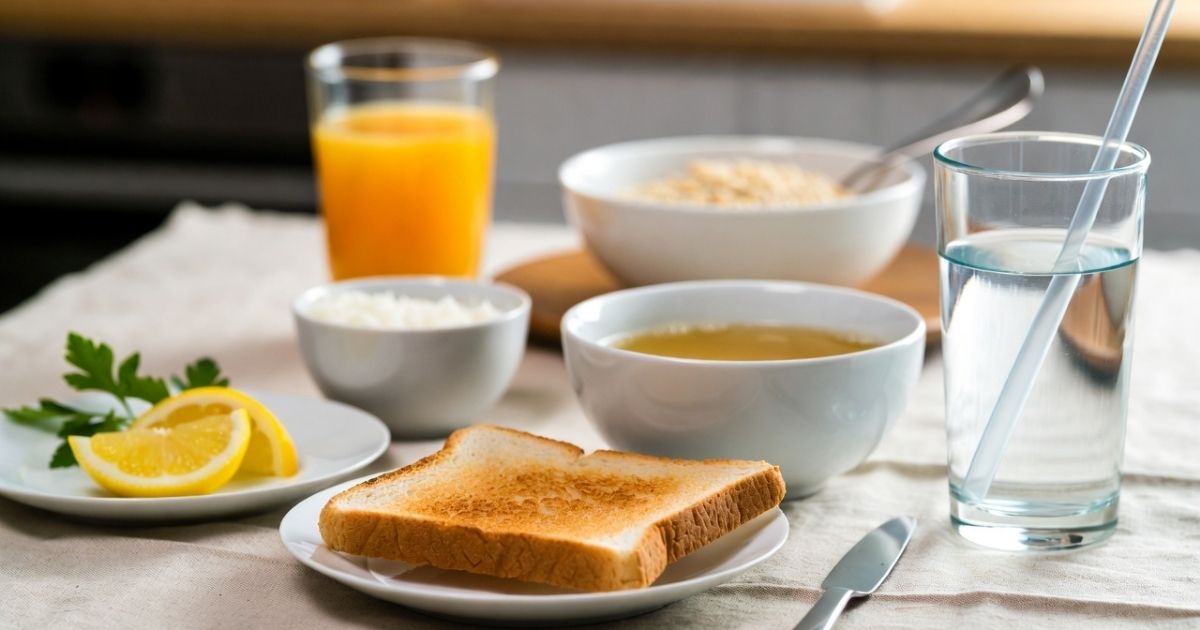
The stomach has just settled after a rough bout of vomiting. You’re exhausted, maybe a bit shaky, and the last thing you want is to trigger another round. So what to eat after throwing up becomes the big question, something gentle, nourishing, but not overwhelming.
You’ve lost fluids, electrolytes, and probably some appetite along the way. The good news? Recovery doesn’t need fancy superfoods. Focus on simple choices that calm your stomach lining sensitivity, support electrolyte imbalance recovery, and ease you back into normal eating without setbacks.
Let’s walk through a practical plan that matches what experts recommend right now in 2026, starting slow, building gradually, and listening to your body.
What to Eat After Throwing Up: Your Recovery Menu
Your stomach feels like it ran a marathon. Now it needs a gentle reset. After vomiting, you should ease back into eating with simple, bland foods that won’t irritate your gut. Think small steps, not a full feast.
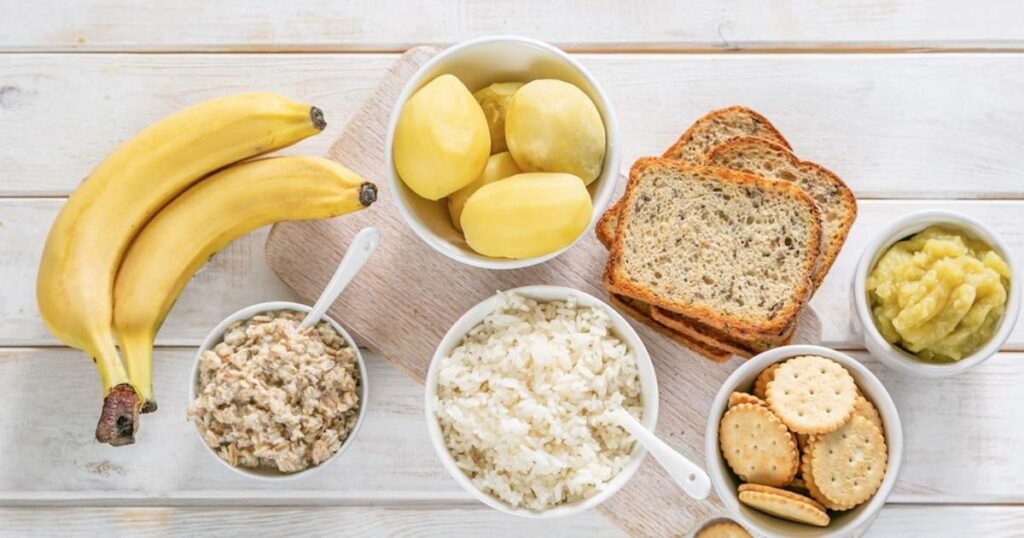
Start with clear fluids. Sip water, oral rehydration drinks, or warm ginger tea. Take tiny sips every few minutes. Once you keep liquids down for a few hours, add light foods. The classic BRAT options—bananas, white rice, applesauce, and plain toast—work well because they’re soft and easy to digest.
You can also try saltine crackers, boiled potatoes, or plain broth. Avoid spicy, greasy, or dairy-heavy meals at first. Listen to your body. If nausea returns, pause and go slow. Recovery is a crawl, not a sprint.
Read More: Red Circle on Skin: Causes, Treatments, and When to Worry
Immediate Recovery Foods (First 24 Hours)
Right after the last episode, hold off on solids. Give your stomach a rest for at least 4–6 hours, or longer if nausea lingers.
Start with hydration priority after vomiting. Sip tiny amounts often. Think ice chips, small spoonfuls of water, or diluted clear broth. Avoid gulping; it can bring everything back up.
Once you keep sips down for a couple of hours, ease into clear liquid diet nausea options:
- Clear chicken or vegetable broth (low-sodium if possible, it delivers sodium and gentle flavor without fat)
- Oral rehydration solutions like Pedialyte (they restore electrolytes better than plain water)
- Herbal teas (chamomile or peppermint, cool or warm, not scalding)
- Diluted apple juice or flat ginger ale (the fizz settles for some people once it goes flat)
These focus on fluid replenishment strategies and prevent dehydration warning signs like dry mouth or dizziness.
If you’re tolerating liquids, nibble on super-bland bites toward the end of the first day:
- Plain saltine crackers or dry toast (they absorb excess stomach acid)
- A few slices of banana (easy potassium replenishment foods, nature’s quick electrolyte boost)
- Unsweetened applesauce (soft, low-acid, soothing)
Small portions. Every few hours. Stop if anything feels off.
Progressive Recovery Foods (24-48 Hours)
Your stomach emptying tolerance improves. Nausea fades. Now introduce easy to digest recovery foods that add a bit more substance.
Stick with bland foods for nausea and low-fat choices:
- Plain white rice or well-cooked oatmeal made with water
- Boiled or mashed potatoes (no butter or skin yet)
- Plain noodles or pasta (keep portions small)
- Cooked carrots or squash (soft, steamed, gentle soluble fiber digestion support)
Add a touch of protein if things stay calm:
- Plain boiled chicken breast (skinless, shredded, lean and light)
- Scrambled egg (one at a time, no oil)
These help with post vomiting nutrient restoration without overloading your gut.
Advanced Recovery Foods (After 48 Hours)
Symptoms mostly gone? Time to widen the net while keeping things stomach friendly.
Layer in:
- Plain yogurt with live cultures (introduces probiotic gut healing benefits, great for restoring balance after illness)
- Soft fruits like peeled pears or canned peaches in juice
- Lean turkey or tofu
- Well-cooked veggies (zucchini, green beans)
Watch portion sizes. Eat small meals every 3–4 hours. This gradual food reintroduction prevents setbacks and supports gastrointestinal recovery stages.
Anti-Nausea Foods: Natural Stomach Settlers
Some foods double as nausea relief foods list items because they calm digestive muscle relaxation or reduce inflammation.
- Ginger: Fresh ginger tea, crystallized ginger, or ginger chews. It soothes nausea symptom management for many.
- Peppermint: Tea or a mint leaf, relaxes the stomach.
- Fennel or chamomile tea: Mild, stomach calming beverages.
These act as stomach settling natural remedies without heavy meds.
The BRAT Diet After Throwing Up
You’ve probably heard of the BRAT diet, Bananas, Rice, Applesauce, Toast. It’s still useful short-term.
These BRAT diet recovery foods are low-fiber, binding, and easy on irritated guts. Bananas replace lost potassium. Rice and toast absorb fluids. Applesauce adds mild carbs without fiber overload.
Current thinking (from places like Cleveland Clinic and Harvard updates) says use it for 24–48 hours max. It’s too restrictive long-term, lacks protein, fats, and variety needed for full gut bacteria restoration.
Transition sooner to balanced options once nausea eases.
When to Eat After Throwing Up: Timing Matters
Don’t force a schedule. Eat when hunger appears and nausea dips.
Start every 2–3 hours with tiny amounts. As tolerance builds (food tolerance progression), stretch to normal meal times.
Gradual diet after vomiting prevents overload. If you feel queasy after eating, dial back.
Foods to Avoid During Recovery
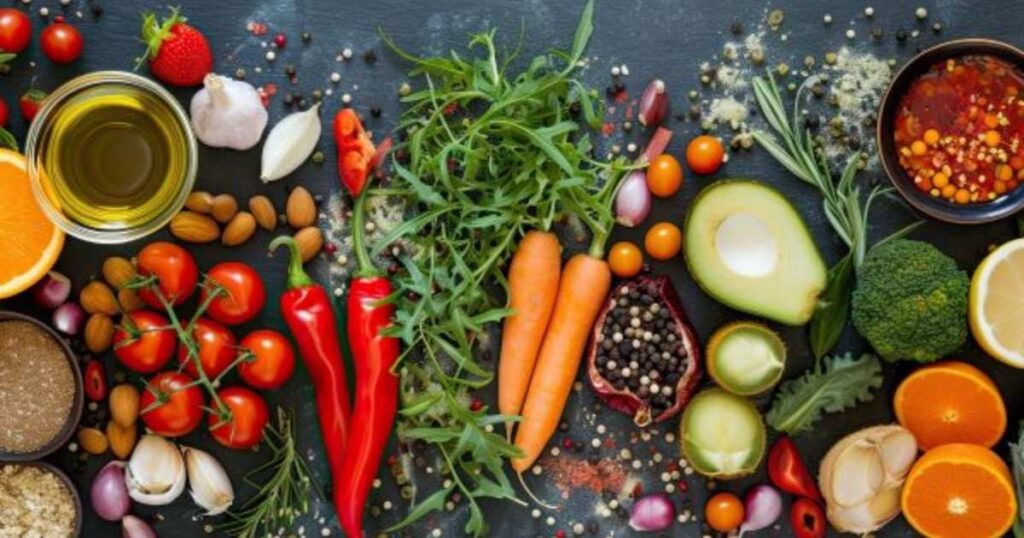
Steer clear of anything that could spark digestive system irritation or slow healing:
- Fatty or fried foods (pizza, burgers, they sit heavy)
- Spicy dishes
- Dairy (milk, cheese, many find it hard post-vomiting)
- Caffeine, alcohol, carbonated sodas (full strength)
- Raw veggies, high-fiber fruits, beans
- Sugary treats or acidic juices (orange, tomato)
These irritate stomach lining sensitivity and delay stomach acid stabilization.
Hydration: The Foundation of Recovery
You can’t skip this. Vomiting dehydrates fast.
Aim for small, frequent sips. Best drinks after vomiting include:
- Electrolyte solutions
- Broth
- Herbal teas
- Coconut water (natural electrolytes)
Track urine color, pale yellow means you’re on track. Dark or scant means push fluids more.
Electrolyte hydration therapy like this prevents complications.
Ginger and Other Natural Remedies for Nausea Relief
Beyond basics, ginger stands out. Studies still back it for settling queasiness.
Try ginger tea (steep fresh slices) or suck on ginger candy. Pair with deep breaths or a cool cloth on your forehead.
These digestive tract soothing remedies work well alongside food choices.
Incorporating Probiotics for Gut Recovery
After a stomach bug or food poisoning, your gut microbiome takes a hit.
Plain yogurt or kefir (once tolerated) brings in live cultures. Some evidence shows strains like Lactobacillus or Saccharomyces boulardii shorten symptoms slightly and aid long term digestive health recovery.
Start them in the progressive phase. Continue a week or two post-recovery for best gut bacteria restoration.
Sample Recovery Meal Plan Day by Day
Day 1 (mostly liquids):
- Morning: Ice chips + sips of broth
- Afternoon: Diluted rehydration drink + few crackers
- Evening: Banana slice + chamomile tea
Day 2:
- Breakfast: Plain toast + applesauce
- Snack: Rice + banana
- Lunch: Broth with plain noodles
- Dinner: Mashed potato + small chicken bit
Day 3:
- Add yogurt, scrambled egg, soft veggies
- Build to small balanced meals
Adjust based on how you feel.
When to Seek Medical Attention for Nausea and Vomiting
Most cases pass in 24–48 hours. Get help if:
- Vomiting lasts >24 hours (adults) or >12–24 in kids
- You can’t keep fluids down
- Blood in vomit, severe pain, high fever
- Dehydration signs worsen (dizziness, confusion, no urine)
- Vomiting complication indicators appear
Don’t wait, better safe.
Supporting Long-Term Digestive Health
Once recovered, ease back fully. Add fiber slowly. Stay hydrated daily. Consider probiotics if bugs hit often.
A balanced diet protects against future episodes.
FAQ’s
How long should I wait to eat solid food after vomiting?
Wait 4-6 hours or until nausea subsides, starting with clear liquids before trying bland solids to avoid triggering more vomiting.
Is the BRAT diet still recommended in 2026?
Yes, for short-term use (24-48 hours) to settle the stomach, but transition to balanced foods sooner for better nutrition and gut healing.
What are the first signs of dehydration after vomiting?
Look for dry mouth, dark urine, dizziness, or reduced urination, address these quickly with small sips of electrolyte fluids.
Can I drink coffee or soda during recovery?
Skip caffeine and sugary sodas at first; they can irritate the stomach, stick to clear broths, herbal teas, or diluted rehydration solutions.
When is vomiting serious enough to see a doctor?
Seek help if vomiting lasts over 24-48 hours, you see blood, have severe pain, high fever, or can’t keep down fluids leading to dehydration.

Liam Grant is a health writer passionate about evidence-based wellness. With a background in nutrition and digital health research, he shares practical, medically reviewed insights promoting balanced living. Evan’s work focuses on trustworthy, expert-backed health advice designed to improve daily habits, mental clarity, and overall well-being for readers worldwide.