
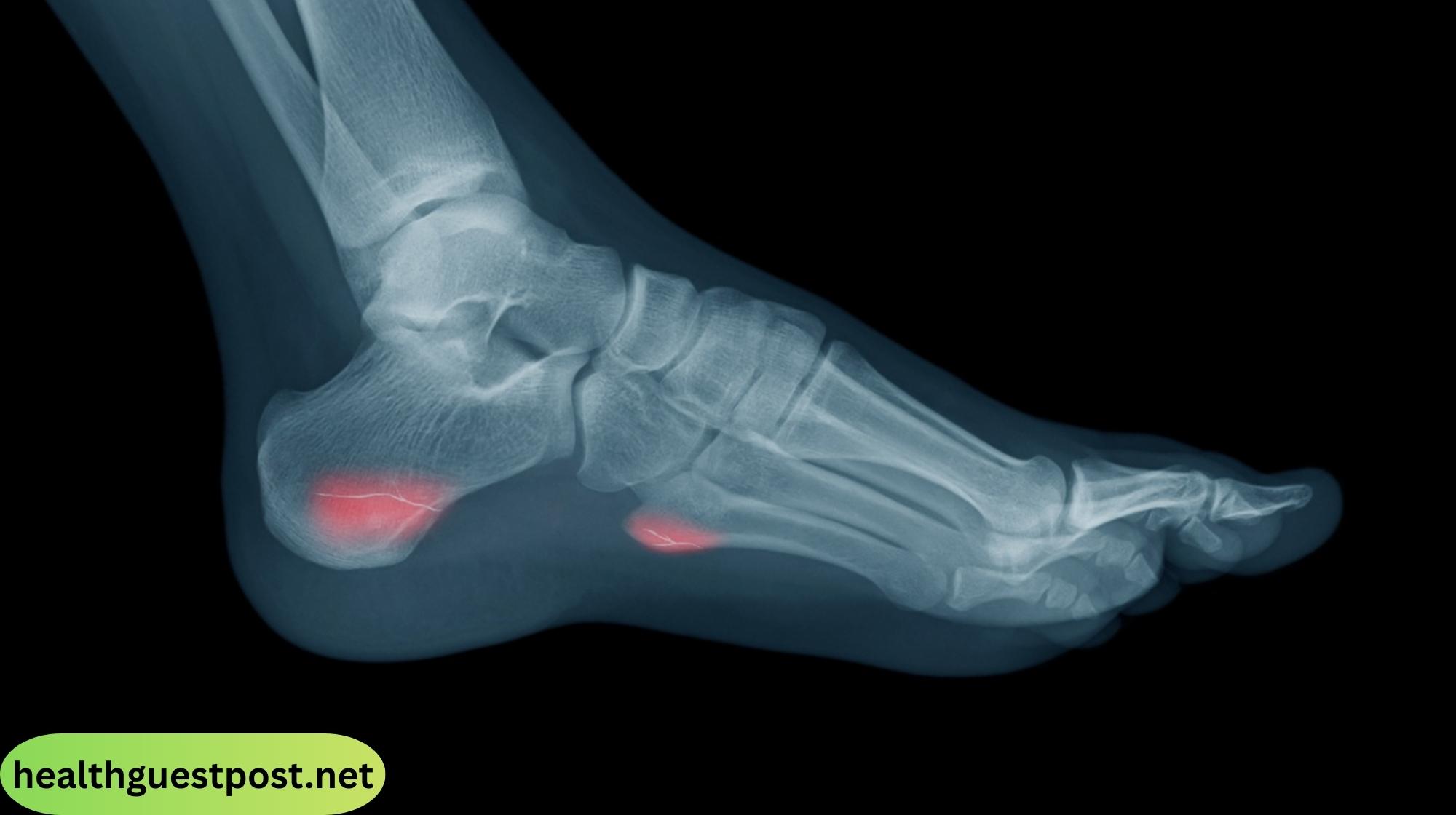
Understanding what a stress fracture feels like is crucial for anyone who stays active, whether you’re a professional athlete, a weekend runner, or someone who enjoys high-impact exercise. Stress fractures are tiny cracks in bones caused by repetitive force, often from overuse or sudden increases in activity. They can be subtle at first, with discomfort that appears only during certain movements, but ignoring them can lead to serious injuries that take weeks or months to heal. Recognizing the signs early and knowing how to respond can save you from prolonged pain and downtime.
What Is a Stress Fracture?
A stress fracture is not the same as a complete bone break. While a full fracture is sudden and traumatic, a stress fracture develops gradually due to repeated pressure or strain on a bone. Most commonly, stress fractures affect weight-bearing bones like the foot, shin, heel, or ankle, though they can appear in the hip, ribs, or even pelvis. Athletes who increase the intensity or frequency of their workouts too quickly are especially prone. A stress fracture can start with a dull ache that worsens during activity and may ease with rest. Early recognition is key because the longer it is left untreated, the greater the risk of turning into a more severe fracture that may require surgery.
Types of Stress Fractures: Foot, Shin, Ankle, and More
Stress fractures can occur in many parts of the body, but some areas are more susceptible than others. The foot and shin are the most commonly affected bones, often in runners or dancers. The ankle, heel, and metatarsals also frequently experience stress fractures due to high-impact activities. Less common sites include the hip, pelvis, and ribs, which usually occur in sports that involve repetitive twisting or jumping. To make this clearer, the table below summarizes common stress fracture locations and causes:
| Bone Location | Typical Causes | Symptoms |
| Foot (metatarsals) | Running, jumping, uneven surfaces | Pain on top or sides of the foot, swelling |
| Shin (tibia) | Long-distance running, repetitive impact | Deep aching along the shin, soreness after activity |
| Ankle | Sudden increase in training intensity | Pain during weight-bearing, swelling, warmth |
| Heel | Jumping sports, high-impact running | Heel pain, tender to touch, pain during impact |
How Common Are Stress Fractures in Athletes and Runners?
In the United States, stress fractures affect a significant number of athletes, particularly runners, dancers, and military recruits. Studies show that up to 20% of runners experience a stress fracture at some point in their careers, and the prevalence is higher in female athletes due to factors like lower bone density or menstrual irregularities. These injuries often go undiagnosed initially because symptoms can be subtle, but they can lead to months of downtime if ignored. Knowing how to identify the early signs can dramatically reduce recovery time and prevent long-term complications.
What Are the Symptoms of a Stress Fracture?
Stress fracture symptoms start gradually and can be mistaken for general soreness or muscle fatigue. Pain typically appears during activity and decreases with rest initially. As the fracture progresses, discomfort may become constant, even when at rest. Swelling, tenderness to the touch, and sometimes bruising are common signs. Unlike acute fractures, stress fractures rarely involve dramatic deformities, which is why they can be overlooked. Early detection is vital, as continuing high-impact activity can worsen the injury.
What Does a Stress Fracture Feel Like in the Foot or Ankle?
When a stress fracture develops in the foot or ankle, the discomfort usually feels localized and sharp during weight-bearing activities like running or jumping. The affected area may feel warm or slightly swollen. Some patients report a sense of instability, as if the bone cannot fully support their weight. Pain is typically focused over the bone rather than the surrounding muscles. In many cases, individuals notice that the pain worsens over time, starting as a dull ache and eventually becoming a sharper, more persistent sensation.
What Does a Stress Fracture in the Shin Feel Like?
Shin stress fractures are characterized by a deep, aching pain along the front or inside of the lower leg. This pain often worsens during long runs or repeated impact activities. Athletes frequently notice stiffness in the morning or lingering soreness after exercise. Unlike shin splints, which involve muscles and soft tissue, a stress fracture creates pain directly on the bone. Runners often describe it as a pinpoint tenderness along the tibia that intensifies when pressure is applied.
What Does a Heel Stress Fracture Feel Like?
Heel stress fractures usually develop from high-impact activities like jumping, sprinting, or running on hard surfaces. The pain is concentrated at the back or bottom of the heel and is often aggravated by impact. Many people confuse heel stress fractures with plantar fasciitis because both cause pain in the heel, but stress fracture pain is more localized and may worsen with sudden activity changes. Swelling and tenderness are common, and the pain often eases slightly with rest but returns quickly when activity resumes.
Common Signs: Stress Fracture, Swelling, Tenderness, and Pain
Recognizing stress fracture signs is critical. Pain during activity that eases with rest, swelling, localized tenderness, and sometimes mild bruising are typical. Unlike soft tissue injuries, stress fractures cause pain directly over the bone and may increase with pressure. In many cases, swelling appears gradually, and the area may feel warm to touch. Misdiagnosis is common, so paying attention to subtle changes in activity-related pain is essential.
How Do You Know If You Have a Stress Fracture?
Early Warning Signs vs. Progressive Symptoms
Early stress fracture symptoms can be subtle, often manifesting as mild discomfort during activity. Over time, the pain becomes more intense and frequent, eventually affecting everyday activities. Recognizing this progression helps distinguish a stress fracture from temporary muscle soreness or fatigue.
Stress Fracture Self-Diagnosis: What to Look For
A simple self-check involves gently pressing along the suspected area to see if pain is localized to the bone. If soreness persists even at rest, it may indicate a stress fracture rather than a muscle strain. While these self-checks can provide hints, professional evaluation is critical for a correct diagnosis, as imaging is often required.
What Causes Stress Fractures and Who Is at Risk?
Common Stress Fracture Causes: Overuse and More
Stress fractures usually result from repetitive mechanical stress that exceeds the bone’s ability to repair itself. Sudden increases in activity intensity, improper technique, or poor footwear can trigger fractures. Even long-standing patterns of high-impact activity, like daily running or dance routines, contribute to microdamage in bones over time.
Stress Fracture Risk Factors for Runners and Athletes
Certain factors make individuals more prone to stress fractures. Female athletes are at higher risk due to hormonal influences and bone density differences. Nutritional deficiencies, particularly in calcium and vitamin D, can weaken bones. Previous injuries, especially those that compromise bone strength or gait, also increase vulnerability.
How Are Stress Fractures Diagnosed?
Stress Fracture Imaging Tests: X-rays, CT, and More
X-rays are typically the first diagnostic tool but may not detect early stress fractures. MRI scans are highly effective at revealing microfractures and soft tissue involvement. Bone scans are another option, particularly for fractures that remain elusive on standard imaging. Early diagnosis using these tools is crucial to prevent worsening injuries.
At-Home Checks vs. Professional Stress Fracture Diagnosis
While self-checks help identify potential fractures, they cannot replace professional evaluation. Doctors assess medical history, conduct physical exams, and may recommend imaging to confirm the diagnosis. Early intervention minimizes recovery time and prevents the fracture from becoming more severe.
Stress Fracture Treatment: What Are Your Options?
Non-Surgical Stress Fracture Pain Management
Most stress fractures heal without surgery through rest, immobilization, and activity modification. Anti-inflammatory medications can reduce swelling and discomfort. Using protective footwear or braces helps relieve stress on the affected bone while maintaining some mobility.
When Is Stress Fracture Surgery Needed?
Surgery is rare and reserved for severe fractures that fail to heal with conservative care. Procedures typically involve stabilizing the bone with screws or plates. Post-surgery recovery includes gradual weight-bearing and a structured rehabilitation program.
How Soon Can You Feel Better After Treatment?
Recovery speed varies depending on the fracture location, severity, and patient compliance. Mild foot or shin stress fractures may start to improve within 4-6 weeks, while more severe or surgically treated fractures can take several months.
How Long Does a Stress Fracture Take to Heal?
Stress Fracture Recovery Timeline and Factors
Healing time depends on the bone involved, the severity of the fracture, and overall health. Foot and shin fractures typically require 6-8 weeks of rest, whereas heel or ankle fractures may take longer. Compliance with rest and avoiding high-impact activity are crucial.
How Do You Know When a Stress Fracture Is Healed?
Pain-free movement, normal daily activity without discomfort, and imaging confirmation indicate that the fracture has healed. Returning to high-impact activities too soon risks re-injury.
Can You Walk with a Stress Fracture?
Walking may be possible with mild stress fractures but usually causes discomfort. Avoiding pressure on the affected bone and using supportive footwear or crutches is recommended until healing progresses.
Stress Fracture Prevention: Tips for Runners and Athletes
Stress Fracture Prevention Tips for Training
Gradually increasing activity intensity, allowing adequate rest, and incorporating low-impact cross-training can significantly reduce the risk of stress fractures. Strengthening muscles around the bones improves support and absorbs impact.
Choosing the Right Footwear to Avoid Stress Fractures
Proper footwear with cushioning and arch support is essential. Replacing worn-out shoes and using activity-specific footwear can reduce stress on bones during high-impact movements.
When Should You Seek Emergency Care for a Stress Fracture?
Red Flags: When to Visit an ER for Stress Fractures
Severe pain, swelling that develops suddenly, inability to bear weight, or visible deformity requires immediate medical attention. Ignoring these signs can lead to complete fractures or other complications.
Why Choose ER of Irving for Stress Fracture Emergency Care?
ER of Irving provides immediate access to imaging, professional assessment, and treatment. Their specialists can distinguish between a stress fracture, a complete break, or soft tissue injuries, ensuring quick and effective care to minimize downtime.
Frequently Asked Questions
Will a Stress Fracture Heal on Its Own?
Mild stress fractures often heal with rest, proper care, and activity modification, but ignoring the injury can worsen it. Professional evaluation is recommended to confirm healing.
What Is the Fastest Way to Heal a Stress Fracture?
The fastest recovery combines rest, immobilization, proper nutrition, and following medical advice closely. Gradual return to activity prevents re-injury.
Can a Stress Fracture Turn into a Break?
Yes, continuing high-impact activity on a stress fracture can lead to a complete break. Early detection and rest prevent this progression.
What’s the Difference Between a Stress Fracture and a Hairline Fracture?
A stress fracture is caused by repetitive microtrauma, while a hairline fracture is often a thin crack from acute trauma. Both are minor cracks, but stress fractures develop gradually and are more related to overuse.

Liam Grant is a health writer passionate about evidence-based wellness. With a background in nutrition and digital health research, he shares practical, medically reviewed insights promoting balanced living. Evan’s work focuses on trustworthy, expert-backed health advice designed to improve daily habits, mental clarity, and overall well-being for readers worldwide.