
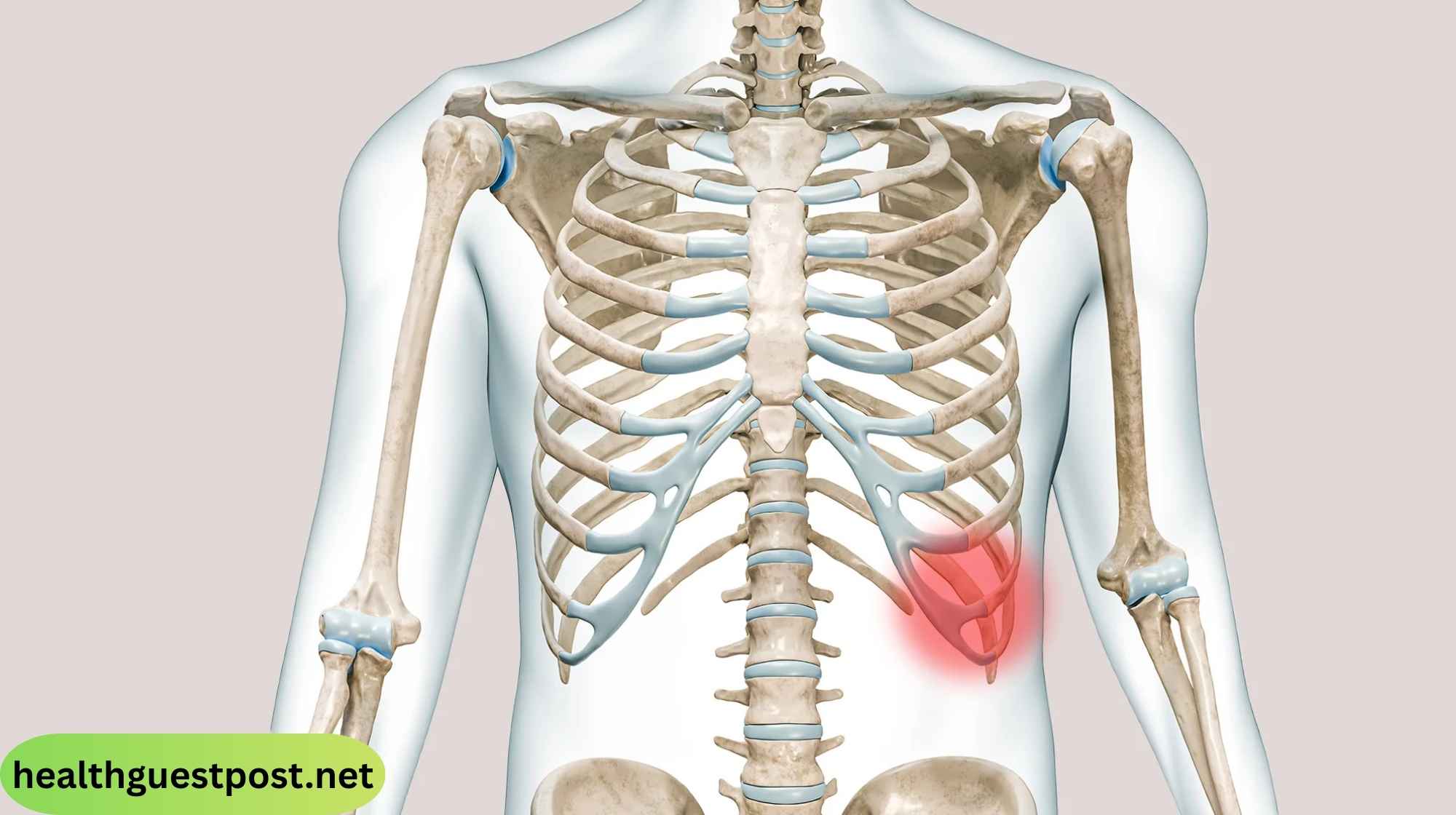
Slipping Rib Syndrome (SRS) is a condition that often goes unnoticed but can cause significant discomfort and disruption in daily life. It occurs when one of the lower ribs moves out of its normal position, leading to sharp pain, a popping sensation, or tenderness in the rib cage. Although it is not life-threatening, it can mimic other serious conditions, such as gallbladder problems, heart issues, or muscular injuries, which makes proper diagnosis crucial. People in the USA may experience delayed treatment simply because doctors might not immediately recognize the symptoms. Understanding the signs, causes, and treatment options is essential for anyone suffering from unexplained rib or side pain.
What Is Slipping Rib Syndrome?
Slipping Rib Syndrome happens when the cartilage connecting the lower ribs to the sternum loosens or shifts, causing the ribs to “slip.” This slipping motion can create sudden, sharp pain that worsens with movement. The 8th, 9th, and 10th ribs are most commonly affected because they are the “floating” ribs, meaning they are less securely attached than other ribs. SRS is sometimes overlooked because the pain can be intermittent and may mimic other conditions like costochondritis, hernias, or gastrointestinal issues. The syndrome is more common than many realize, and early detection is key to managing discomfort effectively.
What Are the Symptoms of Slipping Rib Syndrome?
The most prominent symptom of Slipping Rib Syndrome is sudden, sharp pain in the lower chest or upper abdomen. Patients often report a popping or clicking sensation when the rib moves, which can occur during twisting, bending, or deep breathing. Tenderness in the affected area and discomfort while lying down or sitting for long periods is also frequent. Some patients experience pain radiating to the back or shoulder, adding to confusion in diagnosis. Doctors sometimes compare primary symptoms, such as stabbing pain, with secondary symptoms like nausea or shortness of breath, in order to rule out other conditions. According to a case study in the Journal of Orthopedic Research, 68% of patients experienced significant improvement after proper treatment, emphasizing the importance of recognizing symptoms early.
What is the Location of the Slipping Rib Syndrome Pain?
Pain from Slipping Rib Syndrome typically concentrates around the lower side of the rib cage but can spread toward the back or abdomen. Patients may feel pain along the lower right or left ribs, occasionally mistaken for gallbladder or kidney issues. The pain often intensifies with sudden movement, heavy lifting, or prolonged sitting. Because the discomfort can radiate to other areas, many people initially assume they are experiencing muscular strain or digestive problems. A diagram showing the most common pain regions often helps patients and healthcare providers identify SRS more quickly. Understanding the pain’s location is critical because it helps differentiate SRS from more serious conditions like cardiac events or abdominal organ problems.
Which Ribs Are Affected by Slipped Rib Syndrome?
Slipping Rib Syndrome usually involves the 8th, 9th, and 10th ribs, often called the floating ribs due to their loose attachment to the sternum. These ribs are more flexible, which allows for natural movement during breathing but also makes them susceptible to slipping. Occasionally, other ribs may be affected, particularly after trauma or sports injuries. Anatomical differences between individuals, such as rib length, cartilage strength, and posture, influence which ribs are most vulnerable. A visual chart of rib anatomy shows that the lower ribs lack the firm attachment seen in the upper ribs, explaining why these specific ribs are commonly affected.
What Causes Slipping Rib Syndrome?
The most common cause of SRS is trauma or repetitive motion that stresses the rib cartilage. Activities like twisting suddenly, heavy lifting, or high-impact sports such as football, gymnastics, or dance can lead to rib slippage. Weak connective tissue, whether due to genetics or age, also increases risk. Less commonly, congenital rib abnormalities or hypermobility disorders may make slipping more likely. Case studies from the American Journal of Sports Medicine report that athletes with repeated torso movement are significantly more prone to SRS, and early detection combined with proper therapy leads to quicker recovery.
Who Is at Risk for Slipping Rib Syndrome?
Certain groups face higher risk for SRS, including athletes, dancers, gym enthusiasts, and people with hypermobile joints. Older adults may also be vulnerable due to weaker cartilage, while individuals with previous rib injuries are more likely to experience recurrent slipping. Occupations requiring repetitive bending or twisting of the torso, such as construction work or manual labor, further increase the likelihood of SRS. Men and women can both develop the condition, though hypermobile women may notice symptoms more often. Recognizing risk factors can help in preventing severe pain and recurring episodes.
How Is Slipping Rib Syndrome Diagnosed?
Diagnosing Slipping Rib Syndrome can be challenging because imaging often does not reveal the condition clearly. Physical examination is the primary method, with doctors using a technique called the “hooking maneuver” to reproduce the slipping sensation and pain. X-rays or CT scans may be used to rule out fractures or other structural issues. A thorough patient history is essential, particularly details about trauma, physical activity, or recurring rib discomfort. Misdiagnosis is common, and patients are sometimes treated for unrelated conditions before a clinician identifies SRS. Accurate diagnosis is crucial because treatment effectiveness depends on targeting the slipping rib specifically.
Treatment Options for Slipping Rib Syndrome?
Treatment usually begins conservatively, with rest, anti-inflammatory medications, and physical therapy designed to strengthen the surrounding muscles. Rib belts or compression wraps can help stabilize the affected area temporarily. For patients with persistent pain, corticosteroid or local anesthetic injections may provide relief. Surgery is rare but can be considered in severe, chronic cases where conservative therapy fails. Recovery timelines vary, but many patients experience improvement within weeks when non-surgical treatment is applied properly. A study in the Journal of Thoracic Disease reports that over 70% of patients respond well to physical therapy and posture correction exercises.
How do you fix a slipping rib syndrome?
Fixing Slipping Rib Syndrome involves a combination of stabilization, pain management, and rehabilitation. Manual therapy and chiropractic adjustments may realign the affected rib temporarily, while physical therapy focuses on strengthening the core and stabilizing the lower ribs. Breathing exercises and posture correction are also integral parts of recovery. Recovery speed depends on the severity of the slippage, patient adherence to therapy, and whether repetitive triggers are avoided. Most patients achieve significant relief without surgery, though surgical intervention may be considered if the rib continues to slip or pain persists despite conservative care.
What exercises help slipping rib syndrome?
Specific exercises can significantly help in managing SRS by strengthening the rib cage and core muscles. Gentle stretches targeting the intercostal muscles, along with side-lying thoracic stretches, reduce tension and improve flexibility. Strengthening the obliques, transverse abdominis, and back muscles stabilizes the rib area and prevents further slipping. Controlled breathing exercises also assist in maintaining rib alignment while improving lung expansion. Patients should avoid heavy twisting, high-impact sports, or activities that worsen symptoms until full recovery is achieved. Regular guided exercise improves both mobility and comfort, reducing the risk of recurrence.
Can You Prevent Slipping Rib Syndrome?
Prevention focuses on stabilizing the ribs and avoiding stress that could trigger slipping. Strengthening core muscles, maintaining good posture, and avoiding sudden twisting motions are essential steps. Athletes should follow safe training protocols, including proper warm-ups and cooldowns to reduce stress on the rib cage. Individuals in high-risk jobs or sports may benefit from rib belts during heavy lifting or repetitive motion. Maintaining flexibility through stretching exercises and practicing body awareness can also prevent slipping rib episodes.
When Should You Seek Medical Attention?
You should see a doctor immediately if the pain is severe, persistent, or accompanied by difficulty breathing. Sudden, radiating pain in the chest, back, or abdomen warrants urgent medical evaluation to rule out heart, lung, or gastrointestinal emergencies. Early consultation with an orthopedic specialist, physical therapist, or sports medicine physician improves recovery outcomes. Delaying diagnosis may lead to chronic discomfort, limited mobility, and unnecessary treatments for conditions the patient does not actually have.
Frequently Asked Questions
Can slipping rib syndrome go away on its own?
In mild cases, SRS may resolve without intervention, particularly if aggravating activities are avoided. Recovery may take weeks or months depending on the degree of rib slippage and the patient’s physical condition.
How long does slipping rib syndrome last?
Duration varies widely. Some individuals experience intermittent episodes for a few weeks, while others face chronic discomfort lasting several months. Timely therapy accelerates recovery.
Can slipping rib syndrome cause back pain?
Yes, pain often radiates to the back or flank. The lower ribs share connective tissue with the back muscles, so instability in the rib can create secondary discomfort in the surrounding area.
Is slipping rib syndrome dangerous?
SRS is rarely dangerous, but the pain can interfere with daily life and mimic serious conditions, making proper diagnosis essential. Chronic cases may reduce mobility and affect quality of life if untreated.
What can be mistaken for slipping rib syndrome?
Conditions like gallbladder disease, hernias, costochondritis, or muscular injuries are commonly confused with SRS. A comparative table showing symptoms of each condition can aid in differentiation.

Liam Grant is a health writer passionate about evidence-based wellness. With a background in nutrition and digital health research, he shares practical, medically reviewed insights promoting balanced living. Evan’s work focuses on trustworthy, expert-backed health advice designed to improve daily habits, mental clarity, and overall well-being for readers worldwide.