
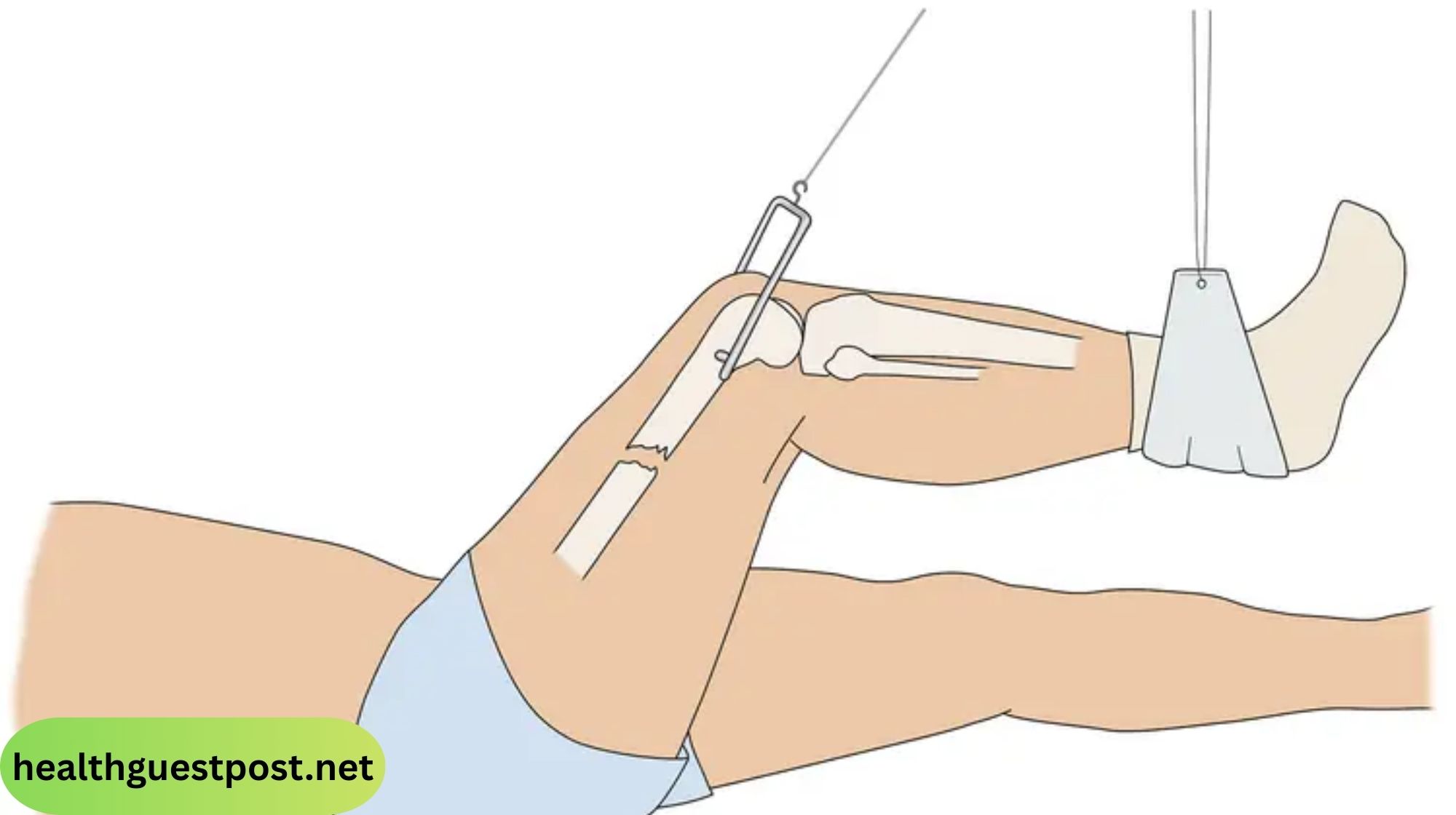
Skeletal traction is a medical procedure designed to help heal broken bones, align fractures properly, and reduce pain during recovery. It involves the use of pins, wires, or screws inserted directly into the bone, which are then attached to weights or devices to apply a steady pulling force. This controlled force keeps fractured bones in their correct position, allowing the body to repair itself efficiently.
Skeletal traction is especially important in cases of severe fractures, multiple broken bones, or complex injuries where other methods, like casting, are not sufficient. In the United States, skeletal traction remains a vital tool in orthopedic care, particularly in hospital settings where precise bone alignment is crucial.
What is Skeletal Traction?
Skeletal traction is a medical technique where bones are gently pulled into proper alignment using pins or wires inserted directly into the bone. Unlike skin traction, which applies force through the skin using straps or bandages, skeletal traction delivers stronger and more precise traction. This method helps maintain the correct position of fractured bones for extended periods, reducing the risk of improper healing or deformities.
Patients usually require hospital care during skeletal traction, as monitoring is essential to prevent complications and ensure the weights and positioning remain accurate. The procedure is commonly used for fractures of long bones such as the femur, tibia, or humerus, and it is particularly beneficial in cases where surgery may be delayed or not immediately possible.
Bones Where Skeletal Traction Is Most Effective?
Skeletal traction is most effective for bones that are large, weight-bearing, or difficult to immobilize with simple casting. The femur, or thigh bone, is one of the most common sites for skeletal traction because it is the longest bone in the body and requires precise alignment to restore proper function. The tibia, or shinbone, is another common candidate, especially for fractures that extend into the knee joint. The humerus, or upper arm bone, may also be treated with skeletal traction when fractures are complex. In rare cases, the cervical spine may require traction to stabilize the neck after injury. Case studies have shown that femur fractures treated with balanced skeletal traction often achieve faster recovery and reduced long-term complications compared to other methods.
Skeletal Traction Procedure
The skeletal traction procedure begins with careful preparation, including imaging tests like X-rays to assess the fracture and plan the correct alignment. Under local or general anesthesia, pins or wires are inserted into the bone at precise locations. Once the hardware is secured, weights are attached to apply a continuous, controlled pulling force. The amount of weight depends on the patient’s size, the location of the fracture, and the type of traction being used. Throughout the treatment, healthcare providers closely monitor the patient for signs of complications such as pin site infections, nerve irritation, or changes in circulation. Patients may remain in traction for several weeks, during which they are encouraged to perform limited movements and exercises to maintain joint flexibility and muscle tone.
Types of Skeletal Traction
There are several types of skeletal traction, each suited to specific bones and fractures. Balanced skeletal traction, femoral skeletal traction, and tibial skeletal traction are among the most common. The type chosen depends on the location of the fracture, the patient’s overall health, and the goals of treatment. Skeletal traction is generally more precise and effective than skin traction, allowing for better alignment of complex fractures and the ability to support heavier weights without damaging the surrounding soft tissue.
Balanced Skeletal Traction
Balanced skeletal traction is a method often used for femur fractures, where the pulling forces are carefully counterbalanced to keep the leg in proper alignment. The patient may be positioned on a special traction bed with weights and pulleys adjusted to maintain the correct angle of the fracture. This type of traction allows for some mobility in the bed, reducing the risk of pressure sores and promoting better overall circulation. Studies have shown that balanced skeletal traction provides excellent alignment outcomes, especially in cases where surgery must be delayed due to other injuries.
Femoral Skeletal Traction
Femoral skeletal traction specifically targets fractures of the thigh bone. Pins or wires are inserted into the distal or proximal ends of the femur, and weights are applied to maintain alignment. Healthcare providers calculate the exact weight needed based on the patient’s body weight and the type of fracture, ensuring the pull is strong enough to realign the bone without causing additional injury. Patients in femoral skeletal traction are often closely monitored in hospital settings, with attention to circulation, nerve function, and pin site care to prevent complications.
Tibial Skeletal Traction
Tibial skeletal traction focuses on fractures of the shinbone. Pins are typically inserted near the ankle or tibial shaft, with weights applied to keep the fracture in proper alignment. This type of traction is commonly used for displaced fractures or when the tibia fracture extends into the knee joint. Careful positioning and monitoring are essential to avoid nerve injury or joint stiffness. Recovery outcomes for tibial skeletal traction are generally favorable, with most patients regaining full mobility over time with proper physiotherapy.
Skeletal Traction vs Skin Traction
Skeletal traction differs significantly from skin traction in method, invasiveness, and effectiveness. Skin traction uses straps or adhesive materials applied to the skin to pull the bone into alignment. While less invasive, skin traction cannot support heavy weights or provide precise alignment for complex fractures. Skeletal traction, on the other hand, delivers force directly to the bone, allowing for greater control and faster healing in serious fractures. Both methods have their place in orthopedic care, but skeletal traction is preferred for severe, displaced, or long bone fractures.
Short Comparison Table of skeletal traction and skin traction
| Feature | Skeletal Traction | Skin Traction |
| Invasiveness | Invasive (pins/wires) | Non-invasive (straps/casts) |
| Bone Types | Effective for major long bones | Suitable for minor fractures |
| Weight Support | Can support heavier traction | Limited weight support |
| Healing Precision | High | Moderate |
| Complications | Pin site infections, nerve damage | Skin irritation |
Skeletal Traction Complications
While skeletal traction is highly effective, it carries potential complications that must be managed carefully. Pin site infections are the most common, occurring if the insertion site is not cleaned and monitored regularly. Nerve injury or irritation can result from incorrect pin placement or excessive weight. Patients may also experience muscle atrophy, joint stiffness, or blood clots due to prolonged immobilization. Rare but serious risks include compartment syndrome or deep infections. Vigilant monitoring by healthcare providers, including frequent assessment of circulation, sensation, and pin sites, is crucial for preventing these complications.
Skeletal Traction Recovery Plan
Recovery after skeletal traction begins as soon as the bone is stabilized. The plan usually involves gradual mobilization, pain management, and physiotherapy. Patients are encouraged to perform gentle exercises to maintain joint flexibility and prevent muscle wasting. Nutrition also plays a key role, with adequate protein, calcium, and vitamin D supporting bone healing. Hospital stays may vary depending on fracture severity, and some patients may transition to outpatient physiotherapy once the bone is sufficiently stable.
Skeletal Traction Recovery Stages: Healing Roadmap
The healing process typically follows three stages. The early stage focuses on immobilization and pain control, ensuring the bone stays aligned. In the mid-stage, patients begin gentle weight-bearing exercises and physiotherapy to restore strength and mobility. The late stage involves full remodeling of the bone, strengthening exercises, and monitoring to prevent long-term complications. Each stage requires careful adherence to the recovery plan to ensure the best possible outcomes.
How Bone Stimulators Support Skeletal Traction Recovery
Bone stimulators are devices that use low-level electrical or ultrasonic signals to enhance bone healing. They can be particularly helpful in cases of delayed healing or non-union fractures. By stimulating bone growth at the fracture site, bone stimulators reduce recovery time and improve overall outcomes.
When is a Bone Stimulator Useful?
Bone stimulators are most useful for patients with slow-healing fractures, osteoporosis, or complex injuries where traditional healing may be insufficient. They are also recommended for patients at higher risk of complications, ensuring bones heal properly without additional surgical intervention.
The Final Thought
Skeletal traction remains a cornerstone of orthopedic treatment for serious fractures. By providing precise alignment, controlled force, and a structured recovery plan, it allows patients to heal with confidence. While complications can occur, careful monitoring, proper care, and adherence to recovery guidelines ensure that most patients regain full mobility and function. With modern techniques and supportive devices like bone stimulators, skeletal traction continues to be a safe and effective treatment option for long bone fractures.
FAQs
What is skeletal traction?
Skeletal traction is a method of aligning broken bones using pins or wires inserted directly into the bone. It applies continuous force to maintain proper positioning during healing.
What are the complications of skeletal traction?
Common complications include pin site infections, nerve damage, muscle atrophy, joint stiffness, and blood clots. Rarely, deep infections or compartment syndrome may occur.
Why and why not skeletal traction?
Skeletal traction is ideal for complex, long bone fractures requiring precise alignment. However, it is invasive and requires hospitalization, making it unsuitable for minor fractures or patients who cannot tolerate long-term immobilization.
How long does it take to apply skeletal traction?
Application typically takes between 30 minutes to two hours, depending on the fracture location, patient condition, and anesthesia type.
How to calculate the weight for skeletal infection?
Weights are calculated based on the patient’s body weight, fracture type, and location. Orthopedic specialists follow precise formulas to ensure safe and effective traction without overloading the bone or surrounding tissues.

Liam Grant is a health writer passionate about evidence-based wellness. With a background in nutrition and digital health research, he shares practical, medically reviewed insights promoting balanced living. Evan’s work focuses on trustworthy, expert-backed health advice designed to improve daily habits, mental clarity, and overall well-being for readers worldwide.