
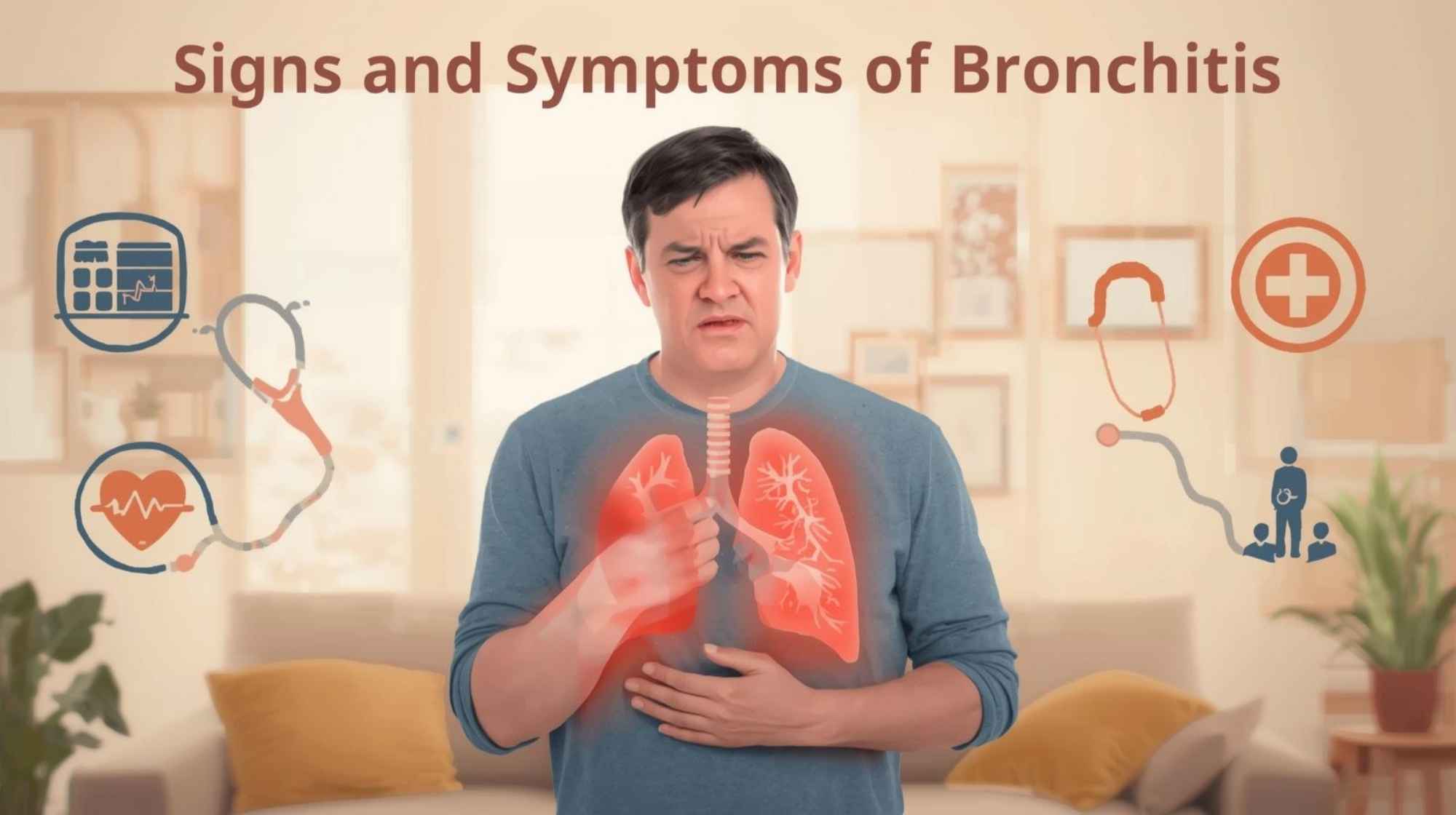
Bronchitis is a common respiratory condition that affects millions of people in the USA every year. It occurs when the lining of your bronchial tubes, which carry air to your lungs, becomes inflamed.
This inflammation can make it hard to breathe and often leads to coughing, mucus production, and chest discomfort. While many people think of bronchitis as a simple cough, the reality is more serious.
Understanding the signs and symptoms of bronchitis, the causes, and when to seek emergency treatment can help prevent complications and improve recovery.
What Is Bronchitis?
Bronchitis is the inflammation of the bronchial tubes in the lungs. These tubes carry oxygen to the lungs and remove carbon dioxide from the body. When the bronchial tubes swell, they produce extra mucus, making it difficult to breathe and triggering a persistent cough. While the condition can affect anyone, people with weak immune systems, smokers, or those exposed to air pollution are at higher risk.
The difference between acute bronchitis and chronic bronchitis lies in duration and severity. Acute bronchitis is usually short-lived and often results from a viral infection. Chronic bronchitis is long-term and usually linked to smoking or prolonged exposure to irritants. Both types share similar symptoms but require different treatment approaches. Identifying bronchitis early is important to prevent further lung complications, especially in vulnerable populations like the elderly or those with pre-existing respiratory conditions.
Acute Bronchitis
Acute bronchitis often begins suddenly, usually after a cold, flu, or respiratory infection. People typically notice a persistent cough that produces mucus, which may be clear, yellow, or green. Other common symptoms include fatigue, mild fever, chest tightness, and wheezing. This form of bronchitis usually lasts for two to three weeks, and most people recover fully without long-term effects.
Interestingly, even though acute bronchitis is uncomfortable, it is often self-limiting, meaning it resolves on its own. However, if symptoms worsen or last beyond three weeks, medical evaluation is essential. Certain cases may require antibiotics if a bacterial infection is present, but most acute bronchitis cases are viral. Staying hydrated, resting, and using humidifiers can relieve symptoms and support recovery.
Chronic Bronchitis
Chronic bronchitis is a serious, long-term condition that affects the lungs over time. It is often diagnosed when a person experiences a productive cough with mucus lasting at least three months a year for two consecutive years. Smoking is the leading cause, but exposure to air pollution, dust, and chemical fumes can also contribute. People with chronic bronchitis may experience frequent respiratory infections, shortness of breath that worsens over time, and in severe cases, swelling in the ankles or feet due to reduced oxygen levels in the blood.
Unlike acute bronchitis, chronic bronchitis does not go away on its own. It is a type of chronic obstructive pulmonary disease (COPD), which can progressively damage the lungs. Treatment focuses on relieving symptoms, preventing flare-ups, and improving quality of life. Patients often require medications like inhalers, bronchodilators, or oxygen therapy. Pulmonary rehabilitation programs can also help strengthen lung function and ease daily breathing.
Signs and Symptoms of Bronchitis
Recognizing the signs and symptoms of bronchitis is crucial for timely treatment. The most common symptom is a persistent cough that produces mucus. Patients may also experience fatigue, mild to moderate fever, chest discomfort, and wheezing. Shortness of breath can occur, especially during physical activity. In severe cases, lips or fingertips may appear bluish due to low oxygen levels. Early detection can prevent complications, such as pneumonia or chronic lung damage, especially in vulnerable populations.
Common Symptoms of Acute Bronchitis
Acute bronchitis usually presents with a sudden onset of symptoms. The most noticeable is a cough that may last for two to three weeks. The cough is often accompanied by mucus, which can range from clear to yellow or green. Fatigue is common, making daily activities feel exhausting. Some people experience mild fevers, chest tightness, and shortness of breath. Wheezing or a whistling sound during breathing may appear, especially in people with a history of asthma. Most cases improve without antibiotics, though rest and hydration are essential.
Symptoms of Chronic Bronchitis
Chronic bronchitis is marked by a long-lasting cough that produces mucus, often for months at a time. Shortness of breath gradually worsens, even during minor activities like walking or climbing stairs. Frequent respiratory infections are common, and the airways may remain inflamed continuously. In advanced stages, oxygen levels in the blood may drop, leading to swelling in the ankles or feet, fatigue, and difficulty sleeping. Chronic bronchitis requires ongoing treatment to manage symptoms and prevent further lung damage.
Is Bronchitis an Infectious Disease?
Bronchitis can be infectious, especially when caused by viruses like the flu or common cold. Viral bronchitis spreads through droplets in the air when a person coughs or sneezes. Bacterial bronchitis is less common but can occur and may require antibiotics. On the other hand, chronic bronchitis caused by smoking or environmental irritants is not infectious. Understanding this distinction is essential for preventing unnecessary worry and avoiding the spread of viral infections.
Causes of Bronchitis
Bronchitis can arise from several causes, including infections, environmental irritants, and underlying health conditions. Viral infections are the most common cause of acute bronchitis. Bacterial infections are less frequent but may require medical treatment. Environmental irritants such as cigarette smoke, air pollution, and chemical fumes can inflame the bronchial tubes, leading to chronic bronchitis. Individuals with asthma, COPD, or a weakened immune system are more susceptible, and repeated exposure to irritants can worsen symptoms over time.
Infections
Viral infections are responsible for the majority of bronchitis cases. Influenza, rhinovirus, and respiratory syncytial virus (RSV) often trigger acute bronchitis. Bacterial infections, while rarer, can occur and usually involve a high fever and thick, discolored mucus. Early detection is important to determine whether antibiotics are necessary.
Environmental Irritants
Cigarette smoke is the leading cause of chronic bronchitis in the USA. Secondhand smoke, air pollution, dust, and workplace chemicals can also irritate the bronchial tubes. Long-term exposure can lead to continuous inflammation, making breathing difficult and increasing susceptibility to infections.
Underlying Health Conditions
Chronic illnesses like asthma, COPD, and weakened immune systems increase the risk of bronchitis. People with pre-existing lung conditions are more likely to experience severe symptoms and complications. Managing these conditions alongside bronchitis is critical to maintain lung health.
Treatment for Bronchitis
Treatment for bronchitis depends on its type and severity. Acute bronchitis often resolves on its own, but supportive care like rest, hydration, and humidifiers can relieve symptoms. Over-the-counter medications, such as cough suppressants or NSAIDs, can also help. In cases of bacterial bronchitis, a doctor may prescribe antibiotics.
Acute Bronchitis Treatment
For acute bronchitis, home care is usually sufficient. Drinking plenty of fluids helps thin mucus, making it easier to cough up. Warm teas or soups can soothe the throat, while humidifiers keep airways moist. Avoiding smoking and pollutants accelerates recovery. Most symptoms improve within two to three weeks, and antibiotics are rarely necessary unless a bacterial infection is confirmed.
Chronic Bronchitis Treatment
Chronic bronchitis requires ongoing management. Quitting smoking and avoiding irritants are the most important steps. Inhalers, bronchodilators, and corticosteroids help reduce inflammation and improve breathing. Pulmonary rehabilitation strengthens lung function, and oxygen therapy may be necessary for severe cases. Regular medical checkups are essential to monitor lung health and prevent complications like COPD progression.
Preventing Bronchitis
Preventing bronchitis involves lifestyle choices and vaccinations. Annual flu vaccines and pneumonia shots reduce the risk of respiratory infections. Washing hands frequently and avoiding close contact with sick individuals can prevent viral bronchitis. Maintaining a healthy lifestyle through exercise, a balanced diet, and quitting smoking significantly reduces the likelihood of chronic bronchitis. Avoiding exposure to dust, chemicals, and air pollution also protects the lungs in the long term.
When to Seek Emergency Bronchitis Treatment
Emergency treatment is necessary when bronchitis symptoms become severe. Signs include difficulty breathing, high fever, chest pain, confusion, or bluish lips and fingertips. Prompt medical attention can prevent serious complications such as pneumonia, respiratory failure, or severe COPD flare-ups. Early intervention improves outcomes and may require hospitalization, oxygen therapy, or intravenous medications.
FAQs
Is bronchitis a communicable disease?
Acute bronchitis caused by viruses can spread from person to person through coughs and sneezes. Chronic bronchitis caused by smoking or irritants is not communicable.
Is bronchitis an infectious disease?
Bronchitis can be infectious if it is viral or bacterial. Non-infectious bronchitis from irritants or chronic conditions is not contagious.
How long is a person contagious with bronchitis?
People with viral bronchitis are usually contagious for the first few days of symptoms, especially when coughing. Symptoms can persist longer, but the risk of transmission decreases after the first week.
Do I need antibiotics for bronchitis?
Most cases of bronchitis are viral and do not require antibiotics. Only bacterial bronchitis or severe infections may need antibiotic treatment, which should be prescribed by a doctor after evaluation.

Liam Grant is a health writer passionate about evidence-based wellness. With a background in nutrition and digital health research, he shares practical, medically reviewed insights promoting balanced living. Evan’s work focuses on trustworthy, expert-backed health advice designed to improve daily habits, mental clarity, and overall well-being for readers worldwide.