
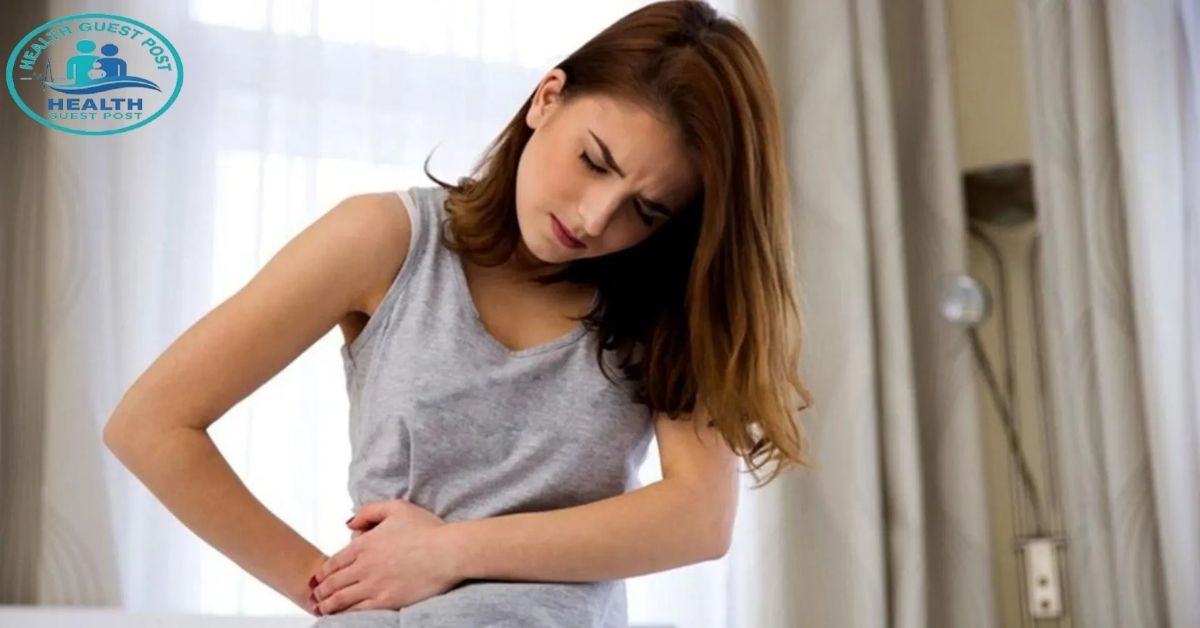
You’re going about your day when suddenly, out of nowhere, a sharp, stabbing pain hits your lower abdomen. It stops you cold. Is it something you ate? Is it serious? Should you head to the ER or just lie down with a heating pad?
That moment of panic is real, and you’re not alone in feeling it. Lower abdominal pain is one of the most common reasons women visit urgent care or emergency rooms every year. But here’s the tricky part: the lower abdomen is a crowded neighborhood. Your reproductive organs, intestines, bladder, kidneys, and more all share that same real estate. So when pain shows up, it could be coming from any number of sources.
This guide is going to walk you through 13 of the most common reasons behind sharp pain in the lower abdomen in females, what the symptoms look like, and when it’s time to stop googling and start calling a doctor.
What Causes Sharp Pain in Lower Abdomen Female?
The honest answer? Quite a few things. The lower abdomen houses a complex web of organs and systems, and sharp pain can originate from your digestive tract, urinary system, or reproductive organs. Sometimes it’s something as mild as trapped gas. Other times, it’s a medical emergency that needs attention within hours.
Understanding the difference is what this article is all about. Let’s break it down, condition by condition.
Read More: Stress and Hairline Fracture: Symptoms, Causes, Diagnosis, Treatment, and Prevention for Athletes
Appendicitis and Sudden Lower Right Abdominal Pain
If you’ve ever felt a sharp, worsening pain that starts around your belly button and then migrates to your lower right side, your appendix might be waving a red flag. Appendicitis happens when your appendix, a small finger-shaped pouch attached to your large intestine, becomes inflamed. It doesn’t give much warning.
The pain typically starts dull and then intensifies fast. Within hours, it becomes one of the more severe stomach pain causes you’ll encounter. You might also notice nausea, vomiting, low-grade fever, and a feeling that something is just wrong. Many women describe it as a pressure that builds and doesn’t let up.
Here’s what makes appendicitis particularly tricky in women: the symptoms can mimic ovarian cysts or even menstrual cramps. That overlap sometimes delays diagnosis. If the pain is on your right side, intensifying, and accompanied by fever, don’t wait it out. A ruptured appendix is a genuine emergency, and time matters enormously.
Diverticulitis and Left-Side Lower Abdominal Pain
Most people have never heard of diverticulitis until it affects them or someone they love. Here’s the short version: small pouches called diverticula sometimes form along the walls of your colon. When those pouches get inflamed or infected, that’s diverticulitis. And it almost always announces itself with pain on the lower left side of the abdomen.
This is one of the more underappreciated digestive disorders and abdominal pain connections. The pain can be sharp or crampy, constant or intermittent. It often comes with fever, nausea, and a noticeable change in your bowel habits, either constipation, diarrhea, or both.
Diverticulitis is more common in people over 40, but younger women are not immune, especially with low-fiber diets becoming more prevalent. The treatment depends on severity. Mild cases often respond to dietary changes and antibiotics. Severe or recurring cases might require surgery.
Ovarian Cysts as a Common Cause of Female Abdominal Pain
Ovarian cysts are far more common than most women realize. In fact, many women develop cysts on their ovaries at some point during their reproductive years, often without ever knowing it. Most cysts are small, benign, and resolve on their own. But when they grow large or rupture, they make their presence very known.
A ruptured ovarian cyst can cause a sudden, sharp stabbing pain, usually on one side of your lower abdomen. It might also bring on bloating, a feeling of fullness, or pain during intercourse. One of the signs of ovarian cyst pain that often gets overlooked is that the discomfort can radiate down into your thighs or up into your lower back.
Gynecological causes of abdominal pain like ovarian cysts are diagnosed through ultrasound. If your pain is sharp, one-sided, and came on suddenly, especially mid-cycle, an ovarian cyst should be on your radar.
Ovarian Torsion (Twisted Ovary) and Severe Pelvic Pain
Ovarian torsion is not nearly as well-known as it should be, and that’s a problem. It happens when an ovary twists around the ligaments that hold it in place, cutting off its own blood supply. The result is sudden, intense pelvic pain, often described as the worst pain a woman has ever felt.
This is a true gynecological emergency. The pain usually comes on abruptly and is frequently accompanied by nausea and vomiting. It can be hard to pinpoint the exact location, but most women describe it as one-sided, somewhere in the lower pelvis. The causes of one-sided abdominal pain that turn out to be torsion are more common in women who have ovarian cysts or enlarged ovaries.
Time is critical here. If blood flow to the ovary is cut off long enough, the ovary can be permanently damaged. Surgery is the only fix, and the sooner it happens, the better the outcome.
Ectopic Pregnancy and Dangerous Lower Abdominal Pain
An ectopic pregnancy occurs when a fertilized egg implants somewhere outside the uterus, most often in a fallopian tube. The egg can’t survive there, and as it grows, it puts pressure on surrounding tissue. If it ruptures, it causes life-threatening internal bleeding.
The pain often starts as a dull ache on one side of the lower abdomen and quickly escalates into sharp, stabbing agony. You might also notice vaginal bleeding, shoulder tip pain (caused by internal bleeding irritating the diaphragm), and dizziness. This is one situation where sharp abdominal pain that comes and goes should not be dismissed under any circumstances.
If you’ve recently had a positive pregnancy test and you’re experiencing lower abdominal pain, this is an emergency abdominal pain symptom that demands immediate medical evaluation. Do not wait.
Kidney Stones Causing Sharp Pain in Lower Abdomen
Kidney stones have a reputation, and they earn it. These hardened mineral deposits form in the kidneys and, when they begin moving through your urinary tract, they cause some of the most excruciating pain imaginable. Many people who’ve experienced both kidney stones and childbirth say the stones are worse.
Kidney stone pain symptoms in the abdomen typically present as waves of intense, cramping pain that radiate from your back or side, around to your lower abdomen and groin. The pain comes in cycles, building to a peak and then subsiding, only to return. You might also notice blood in your urine, frequent urination, or a burning sensation when you urinate.
Smaller stones often pass on their own with adequate hydration and pain management. Larger ones may require medical intervention. Either way, the experience is not one you’ll forget quickly.
Urinary Tract Infections (UTI) and Pelvic Discomfort
UTIs are incredibly common in women, largely because of female anatomy. The urethra is shorter in women, making it easier for bacteria to travel up into the bladder. When that happens, you get a urinary tract infection, and it’s unpleasant in ways that go beyond inconvenience.
Urinary tract infection pain often centers around the lower abdomen and pelvis. It comes with a burning sensation when urinating, frequent urgent trips to the bathroom, and urine that looks cloudy or smells unusual. Lower abdomen pain and nausea causes are sometimes traced back to UTIs that have gone untreated and progressed toward the kidneys.
If a UTI reaches your kidneys, you’ll likely develop a fever, back pain, and chills. That’s called a kidney infection, or pyelonephritis, and it requires prompt antibiotic treatment. The good news is that an uncomplicated UTI is very treatable when caught early.
Pelvic Inflammatory Disease (PID) in Women
Pelvic inflammatory disease is an infection of the female reproductive organs, typically the uterus, fallopian tubes, and ovaries. It’s most often caused by sexually transmitted bacteria, like chlamydia or gonorrhea, that travel upward from the vagina. PID doesn’t always announce itself loudly, which is part of what makes it dangerous.
Some women with PID experience no symptoms at all. Others notice dull, persistent aching in the lower abdomen, along with unusual vaginal discharge, pain during sex, irregular periods, or a low fever. Left untreated, PID can cause serious complications including chronic pelvic pain, abdominal infection symptoms, and even infertility due to scarring in the fallopian tubes.
If you’re experiencing persistent lower pelvic discomfort alongside any of these accompanying symptoms, it’s worth getting checked. Early treatment with antibiotics can prevent long-term damage.
Endometriosis and Chronic Lower Abdominal Pain
Endometriosis is a condition where tissue similar to the uterine lining grows outside the uterus, on the ovaries, fallopian tubes, bowel, or elsewhere in the pelvis. Every month, this tissue responds to hormonal changes just like the uterine lining does. It swells, breaks down, and bleeds. But unlike normal uterine tissue, it has nowhere to go.
The result is inflammation, scarring, and pain that can be debilitating. Women with endometriosis often describe sharp pain in lower abdomen female symptoms that peak during menstruation but can persist throughout the month. Pain during bowel movements, urination, and sex is also common. Intestinal inflammation symptoms sometimes appear too, because the condition can affect the bowel.
Endometriosis is notoriously underdiagnosed. The average time from symptom onset to diagnosis is still somewhere between 7 and 10 years in many countries. If your period pain is severe enough to disrupt your life, that’s not normal, and you deserve answers.
Digestive Problems (Gas, Constipation, IBS)
Not every sharp pain in the lower abdomen signals a major medical event. Sometimes the culprit is your digestive system throwing a minor tantrum. Gas pain, constipation, and irritable bowel syndrome (IBS) are among the most frequent and most underestimated lower abdominal pain causes.
Gas can actually cause surprisingly sharp, stabbing sensations as it moves through your intestines. Constipation creates pressure and cramping that can feel quite intense. IBS is a chronic condition involving intestinal inflammation symptoms, alternating bouts of constipation and diarrhea, bloating, and abdominal cramping that can be severe on bad days.
For many women, IBS symptoms worsen around their menstrual cycle due to hormonal influences on gut motility. Diet, stress, and sleep all play significant roles. While IBS isn’t dangerous in the way that appendicitis is, it genuinely impacts quality of life and deserves proper management, not just dismissal.
Menstrual Cramps and Hormonal Pain
Menstrual cramps, medically known as dysmenorrhea, are one of the most universally experienced forms of lower abdominal pain among women of reproductive age. They occur when the uterus contracts to shed its lining, and for some women, those contractions are fierce.
Primary dysmenorrhea is cramping without any underlying condition. Secondary dysmenorrhea is cramping caused by something else, often endometriosis or fibroids. The pain typically appears in the lower abdomen and can radiate to the lower back and thighs. It usually starts a day or two before your period and eases after the first couple of days.
For many women, over-the-counter pain relievers and heat therapy work well. But when menstrual cramps are severe enough to make you miss work or school, or when the pain is getting worse over time rather than staying consistent, it’s worth investigating further. Severe menstrual pain isn’t something you just have to live with.
When Sharp Lower Abdominal Pain in Females Is an Emergency
Some abdominal pain warrants a wait-and-see approach. Other pain demands you drop everything and get help now. Knowing the difference could genuinely save your life.
Go to the emergency room immediately if your pain:
- Comes on suddenly and is severe right from the start
- Is accompanied by a high fever
- Comes with vomiting that won’t stop
- Is paired with vaginal bleeding outside of your normal cycle
- Causes dizziness, fainting, or signs of shock
- Is spreading or getting worse rapidly
- Includes abdominal pain with fever symptoms and chills
These are the classic emergency abdominal pain symptoms that should never be brushed aside. Conditions like ectopic pregnancy, ovarian torsion, appendicitis, and ruptured ovarian cysts can deteriorate within hours. When it comes to abdominal pain diagnosis in emergency scenarios, early intervention consistently leads to better outcomes.
When in doubt, it’s always better to get checked and be told everything is fine than to wait at home and have something serious progress unchecked.
How Doctors Diagnose Abdominal Pain in Women
When you walk into a clinic or ER with lower abdominal pain, your doctor is essentially playing detective. They’ll start with your medical history and a physical exam, paying close attention to where the pain is located, how long it’s been happening, and what makes it better or worse.
From there, the abdominal pain diagnosis process typically involves blood tests to check for infection or inflammation, urine tests to rule out UTIs or kidney issues, and imaging like an ultrasound or CT scan to get a visual of what’s happening internally. In women of reproductive age, a pregnancy test is almost always part of the workup.
Being as specific as possible when describing your pain helps enormously. Sharp versus dull, constant versus intermittent, on the right side versus left side abdominal pain, whether it came on suddenly or built gradually, these details guide your doctor toward the right diagnosis faster.
When to See a Doctor for Lower Abdominal Pain
Not every twinge requires a trip to the doctor. Gas pain, mild menstrual cramps, and minor digestive upset often resolve on their own with rest, hydration, and over-the-counter remedies. But certain patterns deserve professional attention even when the pain isn’t severe.
You should make an appointment if your pain lasts more than a few days, keeps coming back without a clear explanation, or is progressively worsening. Pain that coincides with changes in your menstrual cycle, unusual vaginal discharge, painful urination, or unexplained weight loss also warrants evaluation.
Trusting your instincts matters here. You know your body. If something feels off in a way that’s different from what you’ve experienced before, that gut feeling is worth following up on.
FAQ’s
What causes sudden sharp pain in the lower abdomen in females?
Sudden sharp pain can stem from various conditions including ovarian cysts, appendicitis, kidney stones, or ectopic pregnancy. Some causes are mild, while others require urgent medical care.
Can a UTI cause sharp pain in the lower abdomen?
Yes. A UTI commonly causes sharp or aching pain in the lower abdomen and pelvic area, often alongside burning urination and frequent urgency.
How do I know if my lower abdominal pain is serious?
If the pain is severe, sudden, accompanied by fever, vomiting, or bleeding, or if it doesn’t improve within a day or two, seek medical attention promptly.
Can digestive problems cause sharp lower abdominal pain?
Absolutely. Gas, constipation, and IBS can all produce surprisingly sharp, cramping pain in the lower abdomen that’s easy to mistake for something more serious.
When should I go to the ER for lower abdominal pain?
Go immediately if the pain is intense and sudden, comes with a high fever, is paired with abnormal bleeding, or causes dizziness and signs of shock. These may signal a medical emergency.

Liam Grant is a health writer passionate about evidence-based wellness. With a background in nutrition and digital health research, he shares practical, medically reviewed insights promoting balanced living. Evan’s work focuses on trustworthy, expert-backed health advice designed to improve daily habits, mental clarity, and overall well-being for readers worldwide.