
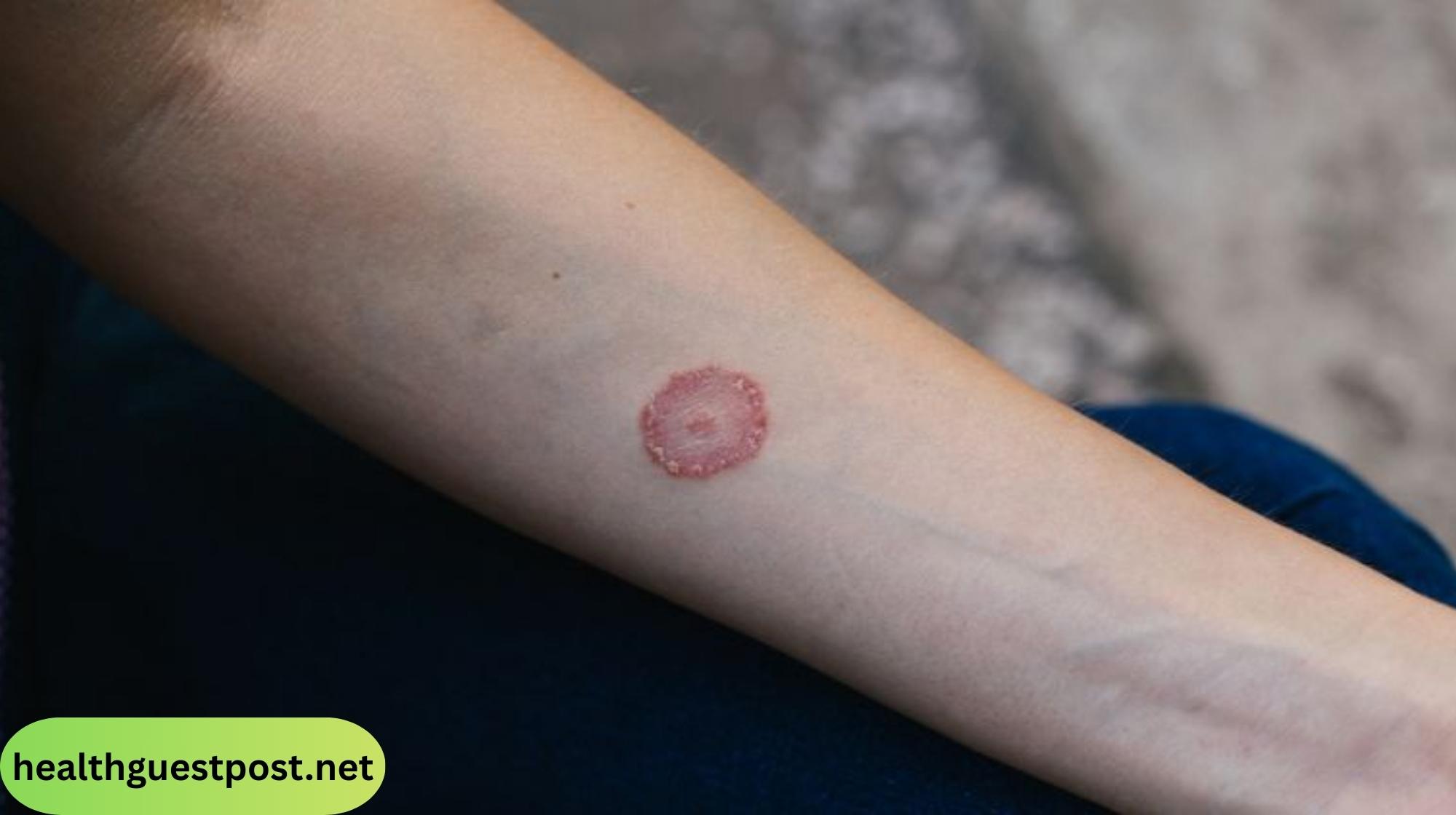
Red circles on your skin can be alarming. Many people immediately think of ringworm, but not all red circular rashes are fungal infections. Sometimes, they signal other underlying conditions that may need medical attention. Understanding what could cause these marks, how to treat them, and when to seek emergency care is essential. If you are in Irving, Texas, knowing when to visit the ER could make a big difference in avoiding complications. Early recognition and treatment can prevent discomfort, infection, and long-term skin problems.
What is Ringworm?
Ringworm, medically known as tinea corporis, is a common fungal infection of the skin. It usually appears as a red, circular rash with slightly raised edges and sometimes a clearer center, resembling a ring. The rash often itches and may spread if untreated. Ringworm is contagious, passing from person to person or through contact with contaminated surfaces such as towels, bedding, or clothing. Although ringworm is common, not every red circle on your skin indicates a fungal infection. Misdiagnosis can lead to ineffective treatments and prolonged discomfort. A simple visual similarity can mask conditions like eczema, psoriasis, or even allergic reactions, making accurate identification crucial.
| Feature | Ringworm | Other Causes of Red Circle |
| Itching | Moderate to severe | Varies depending on condition |
| Center of circle | Clear or lighter | Often red or scaly |
| Contagious | Yes | Usually not |
| Appearance | Raised edges, scaly | Can be smooth, bumpy, or dry |
What Causes a Red Circle on Skin?
Red circles on the skin are not always fungal. Several conditions can mimic the appearance of ringworm, and understanding these differences can prevent misdiagnosis. From chronic skin conditions to infections, the causes vary widely. Observing the size, location, symptoms, and duration of the rash provides clues for accurate identification.
Eczema (Atopic Dermatitis)
Eczema, also called atopic dermatitis, is a chronic condition that causes red, itchy, inflamed skin. Unlike ringworm, eczema patches are often irregular, appearing in skin folds like elbows, knees, or behind the neck. The itchiness can be intense, and scratching may lead to thickened, scaly skin. Stress, allergens, and extreme temperatures often trigger flare-ups. For example, a child might develop a circular red patch on their arm after coming into contact with soap or detergent, which could be mistaken for ringworm. Early management with moisturizers and topical anti-inflammatories can prevent infection and long-term skin damage.
Granuloma Annulare
Granuloma annulare is a less common condition that produces firm, reddish bumps forming circular patterns. These patches are usually painless and appear on the hands, feet, or elbows. They do not itch, and most people notice them accidentally while washing or dressing. Granuloma annulare is often harmless and may resolve on its own, but dermatologists can provide treatments to speed recovery or improve cosmetic appearance. Its circular pattern can closely resemble ringworm, but the absence of scaling and itching helps distinguish it.
Psoriasis
Psoriasis is a chronic autoimmune condition that can form red, scaly, and sometimes circular patches. The scales are silvery-white and may flake off easily. Plaque psoriasis is the most common type, and it can appear anywhere on the body, including the scalp, elbows, and knees. Unlike ringworm, psoriasis is not contagious and may be accompanied by joint pain in severe cases. Treatment often involves topical steroids, phototherapy, or systemic medications. Recognizing psoriasis early prevents unnecessary antifungal treatments and manages long-term skin inflammation.
Nummular Dermatitis (Discoid Eczema)
Nummular dermatitis, also called discoid eczema, produces coin-shaped red patches. These often appear on the arms, legs, or torso and can ooze, crust, or become itchy. Dry skin, irritation, and stress frequently trigger flare-ups. Unlike ringworm, which spreads in circular patterns with clear centers, nummular dermatitis maintains a solid, uniformly red appearance. Moisturizers and topical anti-inflammatory creams are effective treatments, but avoiding irritants is essential to prevent recurrence.
Lyme Disease Rash
Lyme disease is caused by a tick bite and can present a distinct bull’s-eye rash, often expanding over time. The center may clear while the edges remain red, creating a circular appearance. Fever, fatigue, and muscle aches usually accompany the rash. Unlike ringworm, Lyme disease is an infection caused by bacteria, and early antibiotic treatment is crucial. Delayed diagnosis may result in severe complications affecting joints, heart, or nervous system. Awareness of tick exposure in wooded or grassy areas is vital for early intervention.
Hives or Allergic Reactions
Hives, also known as urticaria, appear as raised, red, circular welts that can change shape and location quickly. They are usually itchy and may result from allergies, insect bites, medications, or food. Unlike ringworm, hives develop suddenly and often resolve within hours to days. Severe allergic reactions with swelling, difficulty breathing, or dizziness require immediate medical attention.
Treatment Options
Treatment for a red circle on the skin depends entirely on the underlying cause. Proper diagnosis ensures effective care and prevents complications.
Phototherapy
Phototherapy involves controlled exposure to ultraviolet light. It is effective for chronic conditions like psoriasis or severe eczema. By slowing down skin cell turnover and reducing inflammation, phototherapy helps restore skin health and reduces scaling and redness over time.
Medications
Medications vary from topical creams like corticosteroids and antifungals to oral treatments such as antihistamines or systemic immune modulators. Prescription medications are essential for chronic or severe conditions, while over-the-counter creams may help mild cases. Choosing the right medication requires accurate diagnosis, as using antifungal cream on psoriasis, for example, will not improve symptoms.
Lifestyle Changes
Managing triggers is a vital component of treatment. Wearing soft, breathable fabrics, avoiding harsh soaps, and reducing stress can prevent flare-ups of eczema, psoriasis, and allergic reactions. Lifestyle adjustments are often combined with medical treatment for best results.
Moisturizers
Regular use of moisturizers helps restore the skin’s protective barrier, especially in eczema or nummular dermatitis. Thick ointments or emollients work best, particularly after bathing, to lock in moisture and reduce irritation.
Heat/Cold Compress
Temperature therapy can relieve itching and inflammation. Cold compresses soothe acute flare-ups, while warm compresses may help reduce stiffness and discomfort in chronic conditions.
When to Visit the ER of Irving?
You should seek emergency care in Irving if the red circle on your skin spreads rapidly, becomes blistered, oozing, or painful, or if you develop fever, chills, or general malaise. Children, elderly individuals, and those with compromised immune systems require prompt evaluation. Lyme disease, severe allergic reactions, and bacterial infections can escalate quickly without intervention. The ER in Irving is equipped to handle urgent dermatologic concerns, ensuring accurate diagnosis and immediate treatment to prevent complications.
Final Verdict
A red circle on the skin is not always ringworm. Several skin conditions, infections, and allergic reactions can produce similar appearances. Identifying the correct cause is essential for effective treatment. While some rashes resolve naturally, others require topical therapy, medications, or even emergency care. Observing symptoms closely, maintaining skin health, and consulting medical professionals when necessary ensures the best outcomes.
Frequently Asked Questions (FAQs)
Can babies have a red circle on skin?
Yes, babies can develop red circular patches due to diaper rash, eczema, or mild allergic reactions. Observation and gentle care are usually sufficient, but pediatricians should evaluate persistent or spreading rashes.
What causes red rashes on skin?
Red rashes can result from eczema, psoriasis, granuloma annulare, nummular dermatitis, Lyme disease, infections, or allergic reactions. Accurate identification helps target the right treatment.
What can a red circle on skin be that is not ringworm?
Red circles can appear from granuloma annulare, nummular dermatitis, psoriasis, hives, Lyme disease, or allergic reactions. Each condition has distinguishing features that guide diagnosis.
What is the difference between ringworm and psoriasis?
Ringworm is contagious, caused by fungus, and has clear centers with raised scaly edges. Psoriasis is autoimmune, not contagious, and forms silvery scales without fungal infection. Misdiagnosis can lead to ineffective treatment.
Does a red circle on the skin heal on its own?
Some red circles, like mild allergic reactions or granuloma annulare, may resolve naturally. Others, like Lyme disease, severe eczema, or infections, require medical treatment for proper healing.

Liam Grant is a health writer passionate about evidence-based wellness. With a background in nutrition and digital health research, he shares practical, medically reviewed insights promoting balanced living. Evan’s work focuses on trustworthy, expert-backed health advice designed to improve daily habits, mental clarity, and overall well-being for readers worldwide.