
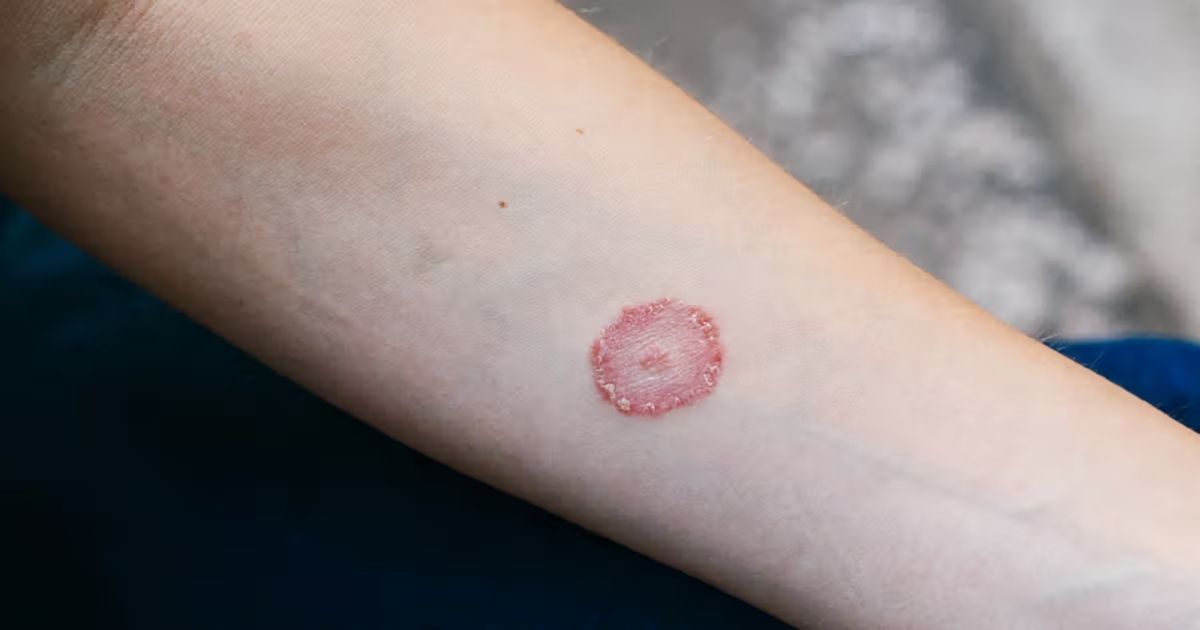
You wake up one morning, glance in the mirror, and notice it, a red circle on skin that wasn’t there yesterday. Your first thought? Ringworm. But here’s the thing: not every circular rash is ringworm. In fact, a whole range of conditions can show up as ring-shaped patches on your skin, and some of them have nothing to do with fungus at all.
Whether it’s itchy, smooth, scaly, or spreading, that mysterious red circle deserves a closer look. This guide breaks down exactly what might be causing it, how to treat it, and when you really need to see a doctor.
What is Ringworm?
Despite the name, ringworm has absolutely nothing to do with worms. It’s actually a fungal skin infection, technically called tinea, caused by a group of fungi known as dermatophytes. These microscopic organisms feed on keratin, the protein found in your skin, hair, and nails.
The infection typically shows up as a red circular rash on skin that spreads outward while clearing in the center. That’s what gives it the distinctive ring appearance. The edges are usually raised, scaly, and noticeably itchy. You’ll most often spot it on the scalp, feet (athlete’s foot), groin (jock itch), or anywhere on the body.
Here’s something worth knowing: ringworm is contagious. You can pick it up from direct skin contact with an infected person, from touching contaminated surfaces, or even from your pets. Cats, in particular, are common carriers. Warm, moist environments, think locker rooms and public pools, are prime breeding grounds for dermatophyte fungal infection.
The good news? It’s treatable. Most cases respond well to over-the-counter antifungal creams. But if it’s on your scalp or keeps coming back, a prescription-strength treatment may be necessary.
Read Also: How to Tell If You Have a Bone Bruise or Fracture: Signs, Symptoms & Tips
What Causes a Red Circle on Skin (Apart from Ringworm)?
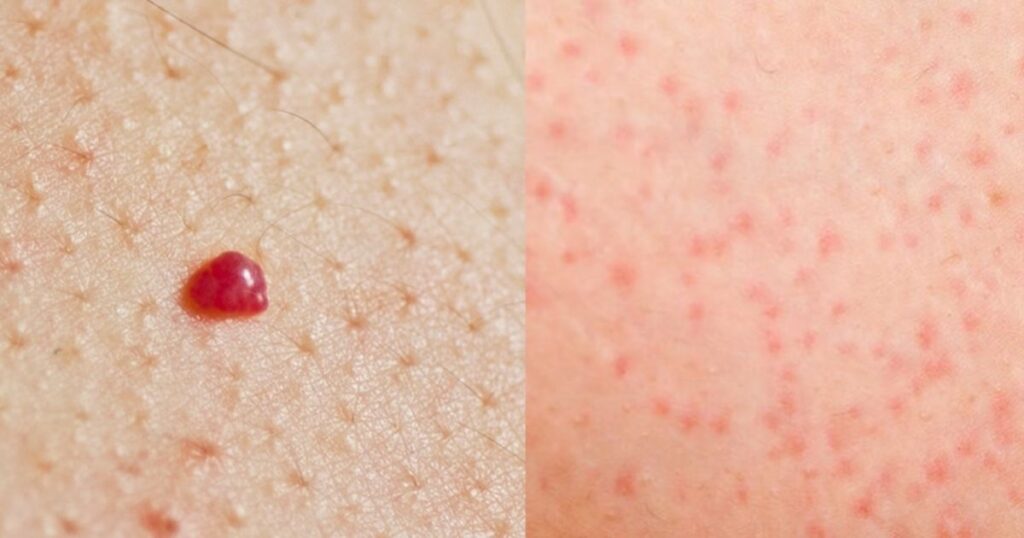
This is where it gets interesting. A circular lesion on your skin doesn’t automatically mean you have a fungal infection. Several other conditions can produce that same ring-shaped skin patch, and some require completely different treatments.
Getting the diagnosis right matters. Treating eczema with antifungal cream, for example, won’t do anything useful and might actually make it worse.
Eczema (Atopic Dermatitis)
Atopic dermatitis eczema is a chronic inflammatory skin disorder that causes itchy, inflamed skin patches. In some people, these patches form coin-shaped or circular clusters, which makes them easy to mistake for a fungal infection.
Unlike ringworm, eczema patches tend to be uniformly inflamed without the clear center. They’re also closely linked to allergies, asthma, and a family history of sensitive skin. Stress, dry weather, and certain soaps or fabrics can all set off a flare. The itching can be relentless, and scratching only makes things worse.
Granuloma Annulare
Granuloma annulare is one of those conditions that confuses people, and even some doctors, on first glance. It produces smooth, ring-shaped bumps that form a circle under the skin, usually on the hands, feet, or forearms. There’s typically no itching or scaling, which sets it apart from ringworm.
Nobody knows exactly what causes it, though it’s sometimes associated with diabetes or thyroid conditions. It often clears up on its own within a couple of years, though that timeline isn’t exactly comforting when you’re staring at a ring on your arm.
Psoriasis
Psoriasis is an autoimmune disorder where your immune system mistakenly speeds up skin cell turnover. The result? Red, thickened plaques covered in silvery scales. While psoriasis red plaques don’t always form perfect circles, they can appear as round patches, especially the guttate type, which produces small, drop-shaped lesions scattered across the body.
Psoriasis is not contagious. It’s a chronic condition that flares and subsides, often triggered by stress, infections, or certain medications.
Nummular Dermatitis (Discoid Eczema)
Nummular dermatitis, also called discoid eczema, is arguably the rash most frequently mistaken for ringworm. It produces perfectly coin-shaped skin rashes that are red, oozy, and intensely itchy. The edges are well-defined, and the patches tend to appear on the legs, arms, and torso.
It’s not caused by a fungus. Dry skin, poor circulation, and skin injuries can all trigger it. Older adults and people who bathe frequently in hot water are particularly prone to this condition.
Lyme Disease Rash
If you’ve been outdoors recently, hiking, camping, or even just spending time in tall grass, and you notice a bullseye rash forming, take that seriously. The Lyme disease bullseye rash, medically called erythema migrans, appears at the site of a tick bite and expands outward in concentric rings.
It often appears within 3 to 30 days after a tick bite. The center may clear while the red ring continues to expand, sometimes reaching several inches in diameter. Tick bite rash symptoms like this one are a hallmark sign of Lyme disease and warrant immediate medical attention.
Hives or Allergic Reactions
Urticaria, commonly called hives, can absolutely take on a circular or ring-shaped appearance. These welts appear suddenly, often as an allergic skin hives rash triggered by food, medications, insect stings, or even temperature changes.
They’re typically very itchy, appear and disappear within hours, and can merge to form larger, irregular shapes. Unlike most other rashes on this list, hives are usually short-lived. However, if they come with throat swelling or difficulty breathing, that’s a medical emergency.
Treatment Options
Treatment for a red circle on skin depends entirely on what’s causing it. There’s no one-size-fits-all fix, which is exactly why getting the right diagnosis matters so much before you start applying things to your skin.
Phototherapy
Phototherapy UV treatment uses controlled doses of ultraviolet light to reduce inflammation in stubborn or widespread skin conditions like psoriasis and eczema. It’s typically done in a clinical setting, usually two to three times per week over several weeks. It sounds intense, but for people who haven’t responded to creams or pills, phototherapy can genuinely be life-changing.
Medications
For fungal infections, antifungal creams, gels, or oral medications are the standard approach. For inflammatory conditions like eczema or psoriasis, topical corticosteroid treatment is commonly prescribed to calm inflammation and reduce redness. In more severe cases, doctors may prescribe immunosuppressants or biologics.
Antihistamine allergy treatment works well for hive-based rashes, especially when an allergic reaction is the root cause. Always use prescribed medications as directed, stopping early, especially with antifungals, can cause the infection to return stronger.
Lifestyle Changes
What you eat, how much you sleep, and how you manage stress can all influence your skin’s behavior. For conditions like psoriasis and eczema, reducing stress, avoiding known triggers, and eating an anti-inflammatory diet can noticeably reduce flare frequency and severity.
Moisturizers
For eczema, nummular dermatitis, and other dry-skin-related rashes, consistent moisturizing is genuinely therapeutic, not just cosmetic. Thick, fragrance-free creams or ointments help restore the skin barrier and prevent moisture loss. Apply them immediately after bathing while your skin is still slightly damp for best absorption.
Heat/Cold Compress
A cold compress can ease itching and reduce inflammation quickly. It won’t cure anything, but when that rash is driving you absolutely mad at midnight, cooling it down provides real relief. For some conditions, a warm compress helps soften crusted patches and improve blood flow to the area.
Symptoms That Help Differentiate Ringworm From Other Rashes
Not every round red patch is a dermatophyte infection, and here are the clues that help separate ringworm from other culprits. Ringworm typically has a raised, scaly border with a clearer center. It spreads outward over time and is almost always itchy. It responds to antifungal treatment within one to two weeks.
Granuloma annulare, by contrast, produces smooth bumps without scaling and usually doesn’t itch at all. Nummular dermatitis tends to ooze and crust. Lyme disease rash expands rapidly without the raised edge. Eczema patches flare with triggers like sweat, stress, or allergens. Hives come and go quickly, often within 24 hours, while most other rashes persist for days or weeks. When in doubt, don’t self-diagnose. A dermatologist can look at the distribution, texture, color, and behavior of the rash to reach an accurate skin rash differential diagnosis.
Red Circle on Skin in Children and Babies

Kids are particularly vulnerable to circular skin rashes for a few key reasons. Their immune systems are still developing. They touch everything. And they’re in close physical contact with other children in schools and daycares. Ringworm is extremely common in school-age children, especially on the scalp (tinea capitis). You might notice patchy hair loss along with the circular rash, that’s a classic sign. Eczema is also very prevalent in infants and toddlers, often appearing on the cheeks, elbows, and behind the knees.
Hives can affect children of any age, sometimes triggered by viral infections rather than allergies. And while Lyme disease is rarer in younger children, it absolutely happens, especially if the family spends time outdoors in tick-prone areas. For babies, avoid applying any over-the-counter cream without a pediatrician’s guidance. Their skin is far more permeable than adult skin, meaning what you put on it gets absorbed more easily.
Risk Factors That Trigger Circular Skin Rashes
Certain things make you more likely to develop a skin inflammation causes-related rash. Some you can control. Some you can’t. Weakened immunity, whether from illness, medications, or conditions like diabetes, makes fungal and bacterial skin infections more likely. Excessive sweating, wearing tight clothing, and spending time in warm, humid environments create the perfect conditions for ringworm to thrive.
A personal or family history of atopy (eczema, hay fever, asthma) significantly increases your risk of developing circular eczema patches. Spending time outdoors in wooded or grassy areas raises your exposure to ticks and therefore your risk of Lyme disease rash.
Stress is a consistent trigger for both psoriasis and eczema flares. Certain medications, including beta-blockers and lithium, can trigger or worsen psoriasis. Dry winter air, harsh soaps, and frequent handwashing can all strip your skin’s protective barrier and open the door to nummular dermatitis.
Home Remedies to Soothe Red Circular Patches
While home remedies won’t cure the underlying cause, they can reduce discomfort while you’re figuring out what’s going on, or waiting for medication to kick in. Tea tree oil has genuine antifungal properties. Diluted with a carrier oil, it can help manage mild fungal infections, though it’s not a replacement for proper antifungal treatment. Aloe vera gel is soothing and anti-inflammatory, it’s excellent for calming irritated, itchy skin without causing further irritation.
Colloidal oatmeal baths are a dermatologist-approved option for eczema and hive-related rashes. They reduce itching and inflammation without harsh chemicals. Coconut oil provides moisture and has mild antimicrobial properties, making it a reasonable short-term option for dry, inflamed patches.
Avoid scratching. It sounds obvious, but scratching breaks the skin, introduces bacteria, and dramatically worsens conditions like eczema and nummular dermatitis. Keep nails short and consider wearing cotton gloves at night if you tend to scratch in your sleep.
How Doctors Diagnose Circular Skin Rashes
Diagnosing a circular rash isn’t always as straightforward as it might seem. Many conditions look remarkably similar, especially in early stages. A board-certified dermatology specialist will typically start with a detailed visual examination. They’ll ask about when the rash appeared, whether it’s spreading, if it itches or burns, and whether you’ve recently been in nature, started a new medication, or had contact with someone who has a similar rash.
For suspected ringworm or other fungal infections, a simple skin scraping test under a microscope, called a KOH test, can confirm the presence of fungal elements. A Wood’s lamp (UV light) may also be used, as certain fungal infections fluoresce under it.
For more complex or persistent cases, a skin biopsy may be recommended. Blood tests can help identify autoimmune triggers or rule out Lyme disease. Patch testing is used to identify contact allergens in allergic reaction skin symptoms cases.
Prevention Tips to Avoid Recurring Skin Rashes
Prevention isn’t always possible, but it sure beats dealing with another flare. Keep your skin clean and dry, especially in areas prone to sweating. Wear breathable, loose-fitting clothing, especially during exercise. Never share towels, clothing, or hairbrushes with anyone, particularly if you suspect a fungal infection in your household.
For eczema and psoriasis, identify your personal triggers and work to minimize them. Keep a simple diary of flares, note what you ate, your stress levels, the weather, and what products you used. Patterns will emerge over time.
If you spend time outdoors in wooded areas, use insect repellent, tuck your pants into your socks, and check your body thoroughly for ticks after every outdoor excursion. Showering within two hours of coming indoors can reduce your risk of tick attachment.
Stay on top of your moisturizing routine year-round, not just when your skin flares. Prevention is far easier than treatment.
When to Visit the ER of Irving?
Most circular skin rashes are not emergencies. But some are, and knowing the difference could genuinely matter. Head to the ER immediately if your rash is rapidly spreading across your body within hours. If it’s accompanied by fever, chills, severe pain, or difficulty breathing, don’t wait for a morning appointment. Hives combined with throat swelling, tongue swelling, or trouble swallowing could indicate anaphylaxis, a life-threatening allergic reaction requiring urgent care rash evaluation right away.
A bullseye-pattern rash after a tick bite, especially with fever or joint pain, needs urgent evaluation for Lyme disease. Infected rashes, those that are warm, swollen, leaking pus, or surrounded by red streaks, may indicate a spreading bacterial infection called cellulitis.
At the ER of Irving, the team can provide rapid assessment, appropriate testing, and immediate treatment for emergency rash warning signs. When you’re unsure, it’s always better to get evaluated and be reassured than to wait and have something worsen overnight.
FAQ’s
Can a red circle on skin go away on its own?
It depends on the cause. Hives and granuloma annulare often resolve without treatment, while ringworm and eczema typically need active management to clear up properly.
Is a red circular rash always contagious?
No. Conditions like eczema, psoriasis, and granuloma annulare are non-contagious skin rashes. Only ringworm and certain other infections can spread from person to person.
How long does ringworm take to clear up?
With appropriate antifungal treatment, most ringworm infections improve within two to four weeks. Scalp ringworm may take longer and often requires oral medication.
Can stress cause a red ring-shaped rash on skin?
Yes. Stress is a known trigger for eczema and psoriasis flares, and it can also trigger hives (urticaria), which may form ring-shaped or circular patterns on the skin.
When should I see a dermatologist instead of waiting?
If your rash hasn’t improved after two weeks, is spreading rapidly, is extremely painful, or is affecting your scalp or nails, it’s time to see a board-certified dermatology professional for proper diagnosis and treatment.

Liam Grant is a health writer passionate about evidence-based wellness. With a background in nutrition and digital health research, he shares practical, medically reviewed insights promoting balanced living. Evan’s work focuses on trustworthy, expert-backed health advice designed to improve daily habits, mental clarity, and overall well-being for readers worldwide.