
You’re feeling dizzy, your mouth is dry as sandpaper, and no amount of water seems to help. Sound familiar? Dehydration hits harder than most people expect. And sometimes, sipping water just isn’t enough to fix it.
That’s where IV for dehydration comes in. It’s faster, more direct, and in serious cases, it can genuinely save your life. But how do you know when you actually need one? Let’s break it all down.
What Is IV Hydration and How Does It Work?
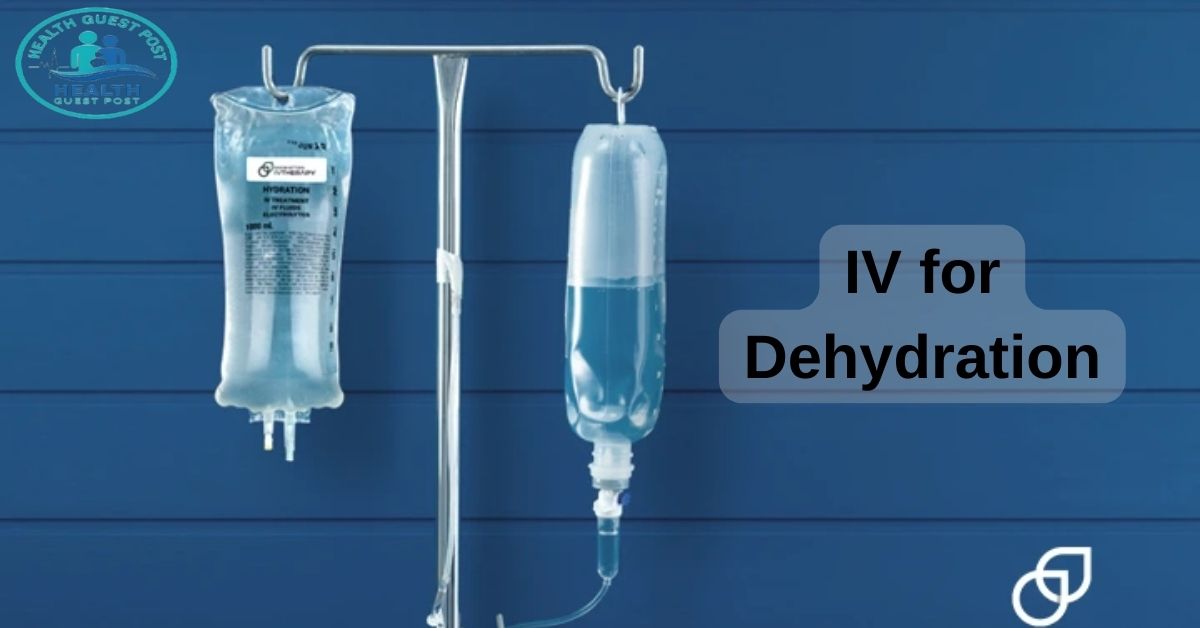
IV hydration means delivering fluids directly into your bloodstream through a small needle placed in a vein, usually in your arm. The letters IV stand for intravenous, which literally means “within a vein.”
Here’s why that matters. When you drink water, your body absorbs it through the digestive system. That process takes time. Sometimes your gut isn’t even cooperating, especially if you’re vomiting or have severe diarrhea. IV fluids skip that whole detour entirely.
The fluid goes straight to your blood. Your cells get what they need almost immediately. It’s like the difference between mailing a letter and hand-delivering it in person.
IV hydration therapy typically includes water, electrolytes like sodium and potassium, and sometimes glucose. Depending on your condition, a doctor might also add vitamins or medications directly to the drip. The whole setup takes just a few minutes to get going, and then it just flows.
Read More: What Causes Sharp Pain in Lower Abdomen Female? 13 Common Reasons
Signs and Symptoms of Severe Dehydration

Mild dehydration shows up as thirst and a slightly dry mouth. Most people handle that with a glass of water. But severe dehydration is a completely different story.
Dehydration symptoms in adults that signal something serious include extreme fatigue, dark yellow or brown urine, sunken eyes, rapid heartbeat, and confusion. You might feel lightheaded when you stand up. In some cases, people stop urinating altogether, which is a major red flag.
Dehydration symptoms in children are worth watching even more closely. Kids can deteriorate faster than adults. Look for no tears when crying, no wet diapers for several hours, dry lips, and unusual drowsiness. If a child seems limp or unresponsive, that’s an emergency.
Heat exhaustion dehydration is particularly sneaky. You might not feel thirsty during intense heat. Your body loses fluid rapidly through sweat, and by the time you feel it, you’re already significantly depleted. Muscle cramps, heavy sweating, and cold clammy skin are signs you need to act fast.
The bottom line is that your body sends signals. Learning to read them early keeps a manageable situation from becoming a medical emergency.
When Do You Need an IV for Dehydration?
Not every case of dehydration needs a trip to the hospital. But certain situations genuinely call for IV for dehydration rather than just drinking more fluids at home.
You likely need IV fluids if you can’t keep water down. Dehydration caused by vomiting creates a frustrating cycle where you lose more fluid than you can replace. Every sip comes back up, and your body keeps falling further behind.
Dehydration caused by diarrhea works the same way. Severe or prolonged bouts strip your body of fluids and electrolytes faster than oral rehydration can keep up with.
Other situations that typically warrant emergency IV fluids include fainting or near-fainting, a very fast heartbeat at rest, visible confusion or disorientation, inability to urinate for eight or more hours, and any combination of the above symptoms in young children or elderly adults.
Athletes who’ve been training hard in the heat, people recovering from surgery, and patients with certain illnesses may also need rapid hydration therapy to stabilize their condition. The key signal is this: if your body is losing fluids faster than you can replace them by drinking, it’s time to get professional help.
How to Tell If You Need IV Fluids for Dehydration
There’s a simple self-check you can do at home called the skin turgor test. Gently pinch the skin on the back of your hand. If it springs back immediately, hydration is likely okay. If it stays tented or returns slowly, that’s a sign of moderate to severe dehydration.
Check your urine color too. Pale yellow means well hydrated. Dark amber or brown means your kidneys are working overtime and your body is conserving what little fluid it has left.
Another reliable marker is how you feel when you stand up. A sudden rush of dizziness or a feeling like the room is tilting suggests your blood pressure is dropping due to fluid loss. Doctors call this orthostatic hypotension, and it often leads straight to an IV recommendation.
If you’re unsure, urgent care dehydration treatment is a great middle ground. Not every dehydration case needs a full ER visit. Many urgent care centers now offer IV drip for dehydration recovery on a walk-in basis, which saves both time and money while still getting you the care you need.
What IV Fluids Are Used for Dehydration? (4 Main Types)
Not all IV fluids are the same. Different situations call for different solutions. Here’s a quick look at the four most commonly used types.
Normal saline IV fluid is probably the most widely recognized. It’s a sterile mix of sodium chloride and water, with a salt concentration similar to your blood. It’s the go-to choice in most dehydration emergencies because it’s safe, effective, and widely available.
Lactated Ringer’s solution is another popular option. It more closely mimics the natural composition of your blood plasma by including sodium, potassium, calcium, and lactate. It’s often used in trauma cases, surgical recovery, and situations where electrolyte replacement therapy is particularly important.
Dextrose 5% IV solution, sometimes called D5W, adds a glucose component to the mix. It’s useful when a patient needs both hydration and an energy boost. People who haven’t eaten in a while or who are recovering from a metabolic issue often receive this one.
Half normal saline IV is a more diluted version of saline. It provides fluid without loading the body with too much sodium. It’s frequently used for patients with certain heart or kidney conditions who need careful fluid management.
Each of these serves a specific purpose. A doctor or nurse practitioner will choose based on your lab values, symptoms, and overall health picture.
Which IV Fluid Is Best for Hydration?
This question comes up a lot, and the honest answer is: it depends on the person.
For straightforward dehydration treatment in ER settings, normal saline is often the first line of defense. It works quickly, it’s safe for most adults and children, and it replenishes both fluid volume and sodium, which your body desperately needs when it’s depleted.
Lactated Ringer’s solution edges out saline in some studies when it comes to restoring electrolyte balance more naturally. If someone has lost large amounts of fluid quickly, as happens during a gastrointestinal illness or heat exhaustion dehydration, Ringer’s may offer a more complete recovery.
For patients needing both hydration and basic caloric support, dextrose-based solutions fill the gap nicely.
In reality, the best IV fluid for dehydration is the one your medical provider chooses based on your specific situation. There’s no universal winner. What matters most is getting treatment promptly, not debating fluid types in the waiting room.
How Long Does IV Hydration Last and How Fast Does It Work?
One bag of IV fluids typically holds one liter. It usually runs over 30 minutes to an hour, depending on the rate your provider sets. Some cases call for a slower drip over two to four hours, especially if the dehydration is severe or if your heart needs to be protected from a rapid fluid shift.
How fast does IV hydration work? Many people start feeling noticeably better within 15 to 30 minutes. The dizziness begins to lift, the headache eases, and energy starts to return. It can feel almost miraculous if you’ve been struggling for hours.
That said, IV hydration isn’t a permanent fix. It restores fluid volume in the short term. How long it lasts depends on what caused the dehydration in the first place. If you’re still vomiting or sweating heavily, another bag may be needed.
After IV treatment, your provider will usually recommend continuing oral fluids at home to maintain what was restored. Think of the IV as hitting the reset button. What you do afterward keeps the game going.
How Many IV Fluid Bags Are Needed for Dehydration?
There’s no fixed number, but a general starting point is one to two liters for mild to moderate dehydration. That’s one to two bags of standard IV fluid.
For severe dehydration, especially in cases involving heat exhaustion, prolonged illness, or significant blood pressure drops, three or more liters may be required. Hospital IV hydration treatment for serious cases can involve continuous monitoring and multiple bags over several hours.
Children typically receive smaller volumes based on their body weight. A pediatrician will calculate the right amount carefully to avoid overloading small systems.
In mobile or concierge IV hydration services, a single one-liter bag is the standard offering. That works well for mild dehydration or recovery purposes. But if someone is clinically dehydrated with measurable symptoms, a professional medical setting is a far safer choice than a wellness drip at home.
What to Expect During IV Hydration Treatment
Walking into an ER or urgent care for dehydration can feel intimidating, especially if it’s your first time. Here’s what typically happens.
A nurse or medical assistant will assess your vital signs first: blood pressure, heart rate, temperature, and oxygen levels. They’ll likely ask about your symptoms, how long they’ve been going on, and whether you’ve been able to keep fluids down.
Blood work may be ordered to check your electrolyte levels and kidney function. This helps the team choose the right fluid type and volume. Then comes the IV placement. A small needle goes into a vein, usually on the back of your hand or inside your elbow. It’s a quick pinch.
Once the drip starts, most people feel fairly comfortable. You’ll be in a reclining chair or bed. The fluid flows steadily. Some centers now play calming music or offer blankets to make the experience more pleasant.
Dehydration IV treatment time varies, but plan for at least one to two hours from check-in to discharge. If additional tests are needed or a second bag is required, it could run longer.
Before you leave, the provider will give discharge instructions and likely recommend specific foods and drinks to continue your recovery at home. Electrolyte drinks, broths, and water-rich fruits are commonly suggested.
FAQ’s
Can you get an IV for dehydration without going to a hospital?
Yes. Many urgent care centers and mobile IV therapy services now offer dehydration treatment outside hospital settings, making it much more accessible.
Is IV hydration safe for children?
Yes, it’s generally safe when administered by a trained medical professional who adjusts the fluid volume based on the child’s weight and condition.
Does insurance cover IV hydration for dehydration?
It often does when treatment is deemed medically necessary, such as during an ER or urgent care visit. Elective wellness IV drips are typically not covered.
How do you know if home remedies aren’t enough?
If you can’t keep fluids down, feel faint, have very dark urine, or your symptoms are worsening after several hours, it’s time to seek medical care.
Can dehydration cause long-term damage if untreated?
Yes. Severe or repeated episodes of dehydration can strain the kidneys, affect heart function, and in extreme cases lead to organ failure if left untreated.

Liam Grant is a health writer passionate about evidence-based wellness. With a background in nutrition and digital health research, he shares practical, medically reviewed insights promoting balanced living. Evan’s work focuses on trustworthy, expert-backed health advice designed to improve daily habits, mental clarity, and overall well-being for readers worldwide.