
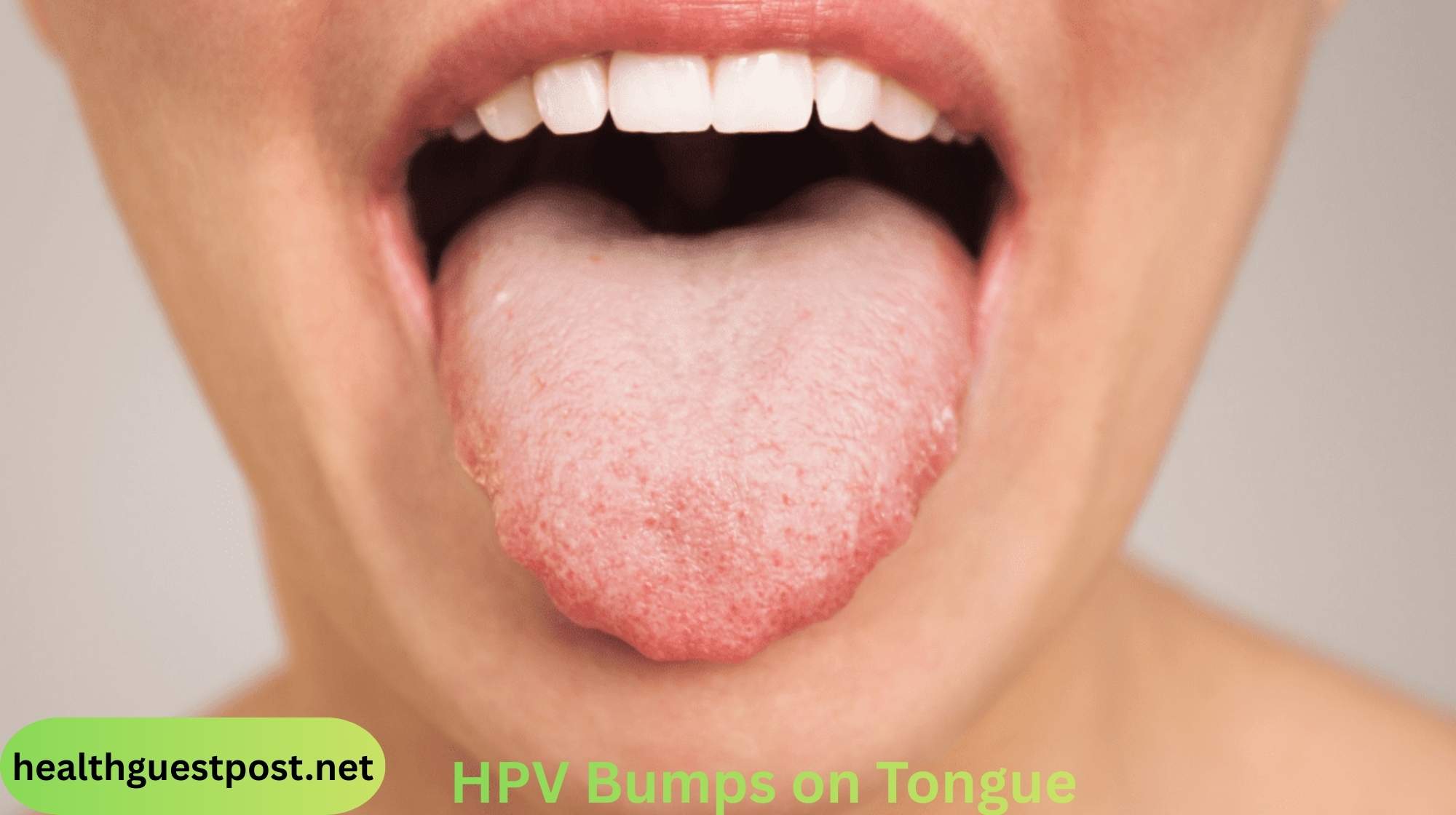
Noticing small bumps on your tongue can be alarming. Sometimes they are harmless, but other times they may indicate an infection like HPV. HPV bumps on the tongue are caused by the human papillomavirus, a common virus that affects both men and women. While most oral HPV infections are mild and may go unnoticed, some types can cause visible lesions or lead to complications if left untreated. Understanding these bumps, their causes, types, and treatment options is crucial for maintaining oral health and preventing the spread of the virus. Early recognition can make treatment easier and reduce anxiety about what these bumps mean.
Oral HPV infections often go unnoticed because the bumps can be tiny and painless. People may confuse them with canker sores, irritation from biting, or even normal variations in the mouth tissue. These lesions are usually pink, white, or slightly red, and can appear singly or in clusters. In some cases, the bumps may look like cauliflower or have finger-like projections. Detecting these HPV bumps on tongue early helps you seek timely treatment and prevents the spread to other areas of the mouth or to other people.
What Does Oral HPV Look Like?
Oral HPV lesions can vary greatly in appearance. They may present as small, firm bumps, slightly raised or flat, and sometimes even soft with a cauliflower-like texture. Some bumps remain unnoticed for months, while others grow slowly over time. Unlike cold sores, which are often painful and caused by the herpes virus, HPV bumps are usually painless and persistent. People sometimes mistake them for irritation caused by accidentally biting the tongue or rough dental work. Doctors recommend closely monitoring any persistent bump that does not heal within two weeks, especially if it grows in size, changes color, or clusters with other bumps. Visual guides and diagrams can help distinguish HPV bumps on tongue from other oral issues.
In many cases, the bumps may appear white or pink, slightly raised, and may occur on the sides or top of the tongue. Their texture can help differentiate them from other lesions. Some may even look like tiny warts, particularly in the case of certain HPV types. Understanding the visual differences can prevent unnecessary worry and encourage early consultation with a healthcare professional.
HPV Types
Human papillomavirus comes in many strains, but not all affect the mouth. Low-risk types such as HPV 6 and 11 commonly cause benign oral lesions, including small bumps on the tongue. High-risk types like HPV 16 and 18 are linked to oral cancers and require careful monitoring. These high-risk strains are less common but pose more serious health concerns. Oral HPV infections do not always produce symptoms immediately, which is why regular dental check-ups and awareness of oral changes are essential. The type of HPV directly influences the appearance of the bumps, their likelihood of spreading, and the treatment approach.
Understanding the type of HPV can also help in prevention. Vaccines targeting high-risk strains can reduce the likelihood of developing serious oral lesions. Early identification and monitoring allow for timely intervention, minimizing the risk of long-term complications.
Squamous Papilloma
Squamous papilloma is a benign growth often caused by low-risk HPV types. These lesions appear as small, soft, finger-like projections that can occur anywhere in the mouth, including the tongue. They are usually painless and slow-growing, which makes them easy to overlook. Even though squamous papilloma is generally harmless, it may cause discomfort if it grows large enough to interfere with chewing, speaking, or oral hygiene. Surgical removal is often recommended when the lesion causes discomfort or if it continues to grow, ensuring the affected tissue is completely excised.
Verruca Vulgaris
Verruca vulgaris, commonly known as the common wart, can also affect the tongue. This type of lesion is caused by HPV and appears as rough, raised bumps. Unlike squamous papilloma, these bumps can have a slightly harder texture and sometimes cluster together. They are usually white or grayish in color and, while painless, may irritate the surrounding tissue. Verruca vulgaris is contagious and can spread within the mouth or to other people through direct contact, making early diagnosis and treatment important.
Condyloma Acuminatum
Condyloma acuminatum is more commonly associated with genital HPV infections but can appear in the oral cavity. These lesions are often pink or white and tend to cluster together, forming a cauliflower-like appearance. Condyloma acuminatum in the mouth is typically linked to oral sex or a compromised immune system. Though generally benign, these lesions may grow larger over time and require medical evaluation. Removing them early can reduce discomfort and prevent transmission.
Focal Epithelial Hyperplasia
Focal epithelial hyperplasia, also called Heck’s disease, is a rare condition caused by certain strains of HPV. It usually presents as multiple small, flat, painless bumps in the mouth and tongue. This condition is more common among children and young adults in certain populations. While the bumps are benign and often resolve spontaneously, treatment may be considered if they interfere with oral function or aesthetic appearance. Recognizing these lesions is important because they differ from other HPV-related bumps in size, distribution, and appearance.
HPV vs. Herpes: Know the Difference
Many people confuse HPV bumps on tongue with oral herpes. Unlike HPV lesions, herpes lesions are often painful, fluid-filled, and recur frequently. HPV lesions tend to be painless, persistent, and firm or soft with irregular surfaces. Oral herpes usually develops as sores along the lips or inside the mouth, whereas HPV lesions may appear anywhere in the oral cavity, including the tongue, cheeks, and gums. A simple table can illustrate the differences clearly:
| Feature | Oral HPV | Oral Herpes |
| Pain | Usually painless | Often painful |
| Appearance | Small bumps, cauliflower-like | Fluid-filled blisters |
| Recurrence | Rare | Frequent |
| Cause | HPV virus | Herpes simplex virus |
| Treatment | Observation, removal if necessary | Antivirals |
How is Oral HPV Caused?
Oral HPV spreads primarily through direct contact. This can include oral sex, deep kissing, or sharing utensils with someone carrying the virus. A compromised immune system increases susceptibility, making certain individuals more likely to develop visible lesions. Many people carry HPV without noticing any symptoms, which makes prevention and early detection essential. Vaccination against common HPV strains significantly lowers the risk of developing both oral and genital lesions. Avoiding high-risk behaviors and practicing good oral hygiene can also reduce the likelihood of infection.
Can HPV Bumps on the Lips Spread?
Yes, HPV lesions in the mouth, including the lips, can spread to other areas through direct contact. This includes touching, kissing, or even using the same toothbrush. Early treatment of visible bumps is important to prevent spreading the infection to other parts of the oral cavity or to partners. Unlike transient irritation or canker sores, HPV lesions persist and may multiply over time, making vigilance essential.
HPV Bumps Treatment
Medical Treatment Options
Doctors have several ways to treat HPV bumps on tongue, depending on the lesion type, size, and patient health. Medical intervention helps remove or reduce the lesions while minimizing discomfort. Early treatment also reduces the risk of spreading HPV to others.
Surgery
Surgical removal is one of the most effective treatments for persistent or bothersome oral HPV lesions. Procedures include excision with a scalpel or laser surgery. Surgery removes the lesion entirely, preventing regrowth in most cases. Recovery is generally quick, but patients may experience temporary soreness or swelling at the site.
Therapies
Various therapies, including cryotherapy, laser therapy, and topical treatments, can reduce lesion size and appearance. Cryotherapy freezes the bumps, while laser therapy precisely removes tissue with minimal bleeding. Topical solutions may include antiviral agents or medications that stimulate immune response in the affected area.
Medications
Although there are no HPV-specific oral medications, some antiviral drugs and immune modulators may help reduce lesion growth or support the body in clearing the infection. Medications are often combined with other treatments to enhance effectiveness.
Electrosurgery
Electrosurgery uses electrical currents to remove or destroy HPV lesions. This method is precise and minimizes bleeding, often used for lesions in difficult-to-access areas of the mouth. While effective, it should only be performed by trained medical professionals to avoid damage to healthy tissue.
Natural Way of Healing
Improving the Immune System
A strong immune system helps the body suppress HPV infections naturally. Eating a balanced diet rich in fruits, vegetables, and whole grains, getting regular exercise, sleeping well, and taking supplements like vitamin C and zinc can strengthen immunity. Reducing stress also plays a key role in improving the body’s ability to fight viral infections.
Avoiding Harmful Products
Limiting tobacco, alcohol, and highly processed or spicy foods prevents irritation of oral lesions and supports faster healing. These substances can also weaken immunity and increase the risk of lesion growth.
Better Oral Hygiene
Maintaining excellent oral hygiene helps prevent secondary infections and supports natural healing. Regular brushing, flossing, and using an antiseptic mouthwash remove bacteria that may aggravate oral lesions. Monitoring oral health regularly allows early detection of any changes in HPV bumps on the tongue or elsewhere.
Let’s Wrap It Up
HPV bumps on tongue are a common oral issue caused by several types of the human papillomavirus. They appear as small, painless lesions that can vary in color and texture. Recognizing the types of lesions, including squamous papilloma, verruca vulgaris, condyloma acuminatum, and focal epithelial hyperplasia, helps in early detection and treatment.
Medical treatments, such as surgery, therapies, medications, and electrosurgery, effectively manage these bumps, while natural methods like improving immunity and oral hygiene support the healing process. Awareness, early action, and consulting healthcare professionals are key to maintaining oral health and preventing complications.
FAQs
What are the early symptoms of oral HPV?
Early symptoms include small, painless bumps on the tongue or other areas of the mouth. Some lesions may feel slightly rough or raised, but discomfort is rare. Many people notice them only during routine dental exams.
How to spot the difference between a normal bump and an HPV bump?
Normal bumps often result from irritation, trauma, or canker sores, while HPV bumps on tongue are persistent, painless, and sometimes cluster in a cauliflower-like shape. Their appearance, consistency, and persistence help differentiate them from other lesions.
How to kill HPV naturally?
While there is no guaranteed natural cure, supporting the immune system through a healthy diet, regular exercise, stress reduction, and good oral hygiene can help the body suppress the virus. Avoiding irritants like tobacco and alcohol further improves healing and reduces the risk of lesion growth.

Liam Grant is a health writer passionate about evidence-based wellness. With a background in nutrition and digital health research, he shares practical, medically reviewed insights promoting balanced living. Evan’s work focuses on trustworthy, expert-backed health advice designed to improve daily habits, mental clarity, and overall well-being for readers worldwide.