
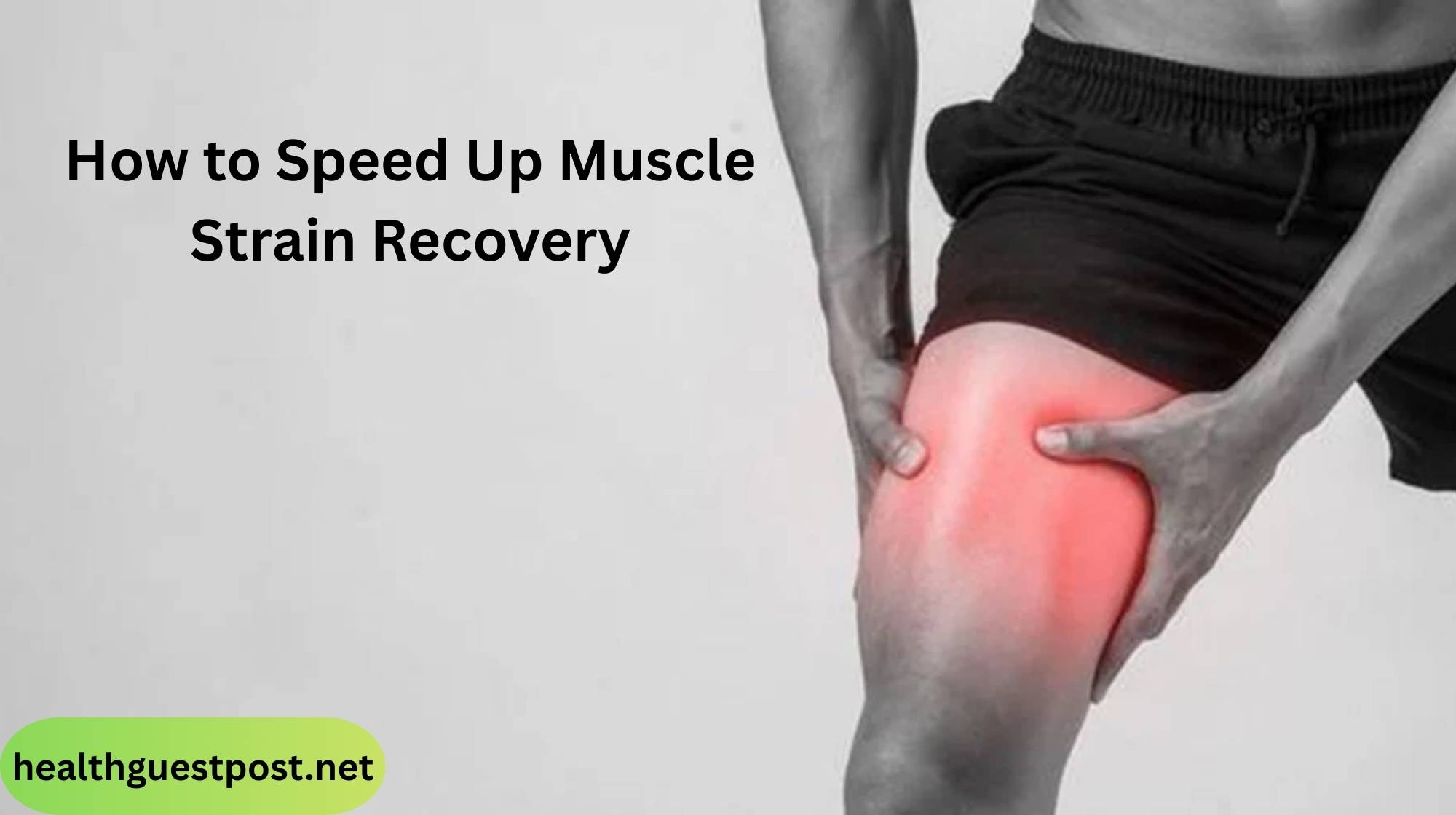
Muscle strains can strike at the worst moments during a workout, a weekend sports game, or even while lifting something heavy at home. If you’re experiencing soreness, swelling, or limited mobility, you’re probably wondering how to speed up muscle strain recovery without causing further damage.
Fortunately, understanding the type of strain, its symptoms, and the right strategies can make a huge difference in healing time. This guide dives deep into expert-backed tips, what works, what doesn’t, and answers the most common questions about recovering from muscle strains.
What is Muscle Strain?
A muscle strain happens when fibers in your muscle are overstretched or torn. This can occur suddenly, like slipping while running, or gradually, due to repetitive motions or overuse. Strains are different from other injuries because they directly affect the muscle or its connecting tendon. While mild strains may cause temporary discomfort, severe strains can prevent you from moving the affected area altogether. Recovery depends on the severity of the injury, your age, and overall health. For example, a mild hamstring strain may heal in a week with proper care, while a severe quadriceps tear could take several months and require professional treatment. Understanding the nature of your injury is the first step in speeding up recovery effectively.
Muscle Strain Types
Muscle strains are categorized into three grades. Grade 1 strains are mild, with minor discomfort and minimal loss of strength. Grade 2 strains are moderate and involve partial tearing of muscle fibers, often causing swelling, bruising, and noticeable weakness. Grade 3 strains are severe, sometimes resulting in a complete muscle tear, making movement nearly impossible and typically requiring medical intervention or even surgery. Common areas for muscle strains include the hamstrings, lower back, shoulders, and quadriceps, as these muscles endure significant stress during physical activity. Recognizing the type of strain is crucial because it guides the approach to recovery and helps prevent further damage. The following table provides a quick overview of strain types, symptoms, and recovery times.
| Strain Grade | Typical Symptoms | Expected Recovery Time | Common Locations |
| Grade 1 | Mild pain, stiffness | 1–2 weeks | Hamstrings, lower back, calves |
| Grade 2 | Moderate pain, swelling, bruising | 3–6 weeks | Quads, shoulders, hamstrings |
| Grade 3 | Severe pain, inability to move, possible tear | Several months, medical care required | Any major muscle |
Common Symptoms of Strained Muscle
Muscle strains often present with pain that worsens during movement or stretches. Swelling, bruising, redness, or stiffness may develop within hours or days. You may also notice spasms or cramping in the affected muscle. Mild strains often cause discomfort only during activity, while moderate to severe strains can produce constant pain. Recognizing early symptoms allows you to start recovery measures promptly, which can significantly speed up healing and prevent long-term complications.
7 Expert Tips to Speed Up Muscle Strain Recovery
1. Rest Method: Rest, Ice, Compression & Elevation
The RICE method is widely recognized as the first line of defense against muscle strain. Rest allows the muscle fibers to repair without further stress. Applying ice for 15–20 minutes every 2–3 hours in the initial 48 hours reduces swelling and inflammation. Compression with elastic wraps or bandages helps minimize fluid buildup, while elevating the affected area above heart level supports circulation and reduces swelling. Experts emphasize that consistent application of RICE during the first couple of days is crucial for speeding up recovery.
2. Increase Physical Activity
While rest is essential, prolonged inactivity can slow healing. Gentle movement, light stretching, or controlled exercises improve blood flow, which brings oxygen and nutrients to the damaged tissue. Activities like slow leg raises, wall sits, or shoulder rotations can help depending on the affected muscle. However, any movement should be pain-free, gradual, and guided by tolerance. Controlled activity not only accelerates recovery but also helps restore mobility and prevent stiffness.
3. Stay Hydrated and Improve Your Diet
Hydration plays a pivotal role in muscle recovery. Water facilitates nutrient transport, waste removal, and maintains elasticity in muscle fibers. A diet rich in protein, magnesium, potassium, vitamin C, and antioxidants supports tissue repair. Foods such as lean meats, eggs, leafy greens, citrus fruits, berries, nuts, and seeds are particularly beneficial. Including anti-inflammatory foods like turmeric or fatty fish can further reduce soreness and enhance healing. A small table highlighting key nutrients and their role in muscle recovery is shown below.
| Nutrient | Role in Muscle Recovery | Food Sources |
| Protein | Repairs muscle fibers | Chicken, fish, eggs, beans |
| Magnesium | Reduces cramps, supports repair | Spinach, almonds, avocado |
| Vitamin C | Collagen production, healing | Oranges, bell peppers, kiwi |
| Omega-3 | Reduces inflammation | Salmon, walnuts, flaxseeds |
4. Cold/Heat Therapy
Cold therapy is ideal immediately after a strain to reduce inflammation and numb pain, while heat therapy is more effective for chronic stiffness or after the first 48 hours to improve blood flow. Alternating cold and heat can also help relieve persistent soreness. It’s important to use a towel or protective layer to prevent frostbite or burns. Experts advise a 15–20 minute application per session and monitoring skin reactions carefully.
5. Physical Therapy and Manual Techniques
Professional physical therapy can make a dramatic difference in recovery speed. Therapists use massage, targeted stretching, and strength exercises to repair tissue, restore mobility, and prevent re-injury. Manual techniques like myofascial release or trigger point therapy may reduce scar tissue formation and improve blood flow. Case studies have shown that patients who integrate structured physical therapy into their recovery heal faster and regain strength more fully than those relying solely on rest.
6. Monitor and Evaluate
Keeping track of symptoms helps determine whether your recovery is on track. Documenting pain intensity, swelling, mobility, and progress in a journal or using an app can guide adjustments to your recovery plan. Regular self-assessment ensures you don’t push too hard too soon and highlights when medical intervention is necessary. A structured evaluation also encourages accountability and motivates consistent recovery practices.
7. Advanced Therapies
For persistent or severe strains, advanced therapies like ultrasound therapy, laser therapy, or platelet-rich plasma (PRP) treatments can accelerate healing. These methods enhance tissue repair, reduce inflammation, and promote collagen formation. It’s crucial to consult a healthcare professional before pursuing advanced therapies, as not all treatments are suitable for every type of strain.
Muscle Strain Recovery: What Works for It and What Doesn’t?
Many people make the mistake of pushing through pain or relying solely on home remedies. While gentle activity, proper diet, hydration, and RICE techniques work, ignoring symptoms or lifting heavy weights too soon can worsen the injury. Professional guidance is particularly important for moderate to severe strains, as improper care can lead to chronic pain or recurring injuries. Research shows that combining rest, nutrition, controlled movement, and therapy offers the fastest, safest recovery outcomes.
Final Thoughts
Recovering from a muscle strain requires patience, smart strategies, and careful monitoring. Using the RICE method initially, gradually increasing activity, staying hydrated, and incorporating diet and therapy interventions can speed healing. By understanding what works and avoiding harmful practices, your muscles can regain strength, flexibility, and endurance faster than you might expect. Consistency, awareness, and following expert-backed advice are the keys to bouncing back stronger.
FAQs
What helps muscle strain heal faster?
Healing accelerates when you combine proper rest, gentle movement, hydration, a nutrient-rich diet, and professional guidance. Techniques like RICE, stretching, and physical therapy are proven to support recovery effectively.
Can a pulled muscle heal in 3 days?
Mild strains may start improving within three days, but most strains, even mild ones, require at least one to two weeks to heal fully. Moderate or severe strains can take several weeks to months, depending on severity and care.
What not to do if you have a pulled muscle?
Avoid heavy lifting, sudden movements, ignoring pain, or attempting to “push through” discomfort. These actions can worsen the strain, prolong recovery, and increase the risk of chronic injury.
What is a strain vs. a sprain?
A strain affects muscles or tendons, whereas a sprain involves ligaments connecting bones at a joint. While both injuries can cause pain and swelling, strains are muscle-focused, and sprains impact joint stability. The table below summarizes the differences.

Liam Grant is a health writer passionate about evidence-based wellness. With a background in nutrition and digital health research, he shares practical, medically reviewed insights promoting balanced living. Evan’s work focuses on trustworthy, expert-backed health advice designed to improve daily habits, mental clarity, and overall well-being for readers worldwide.