
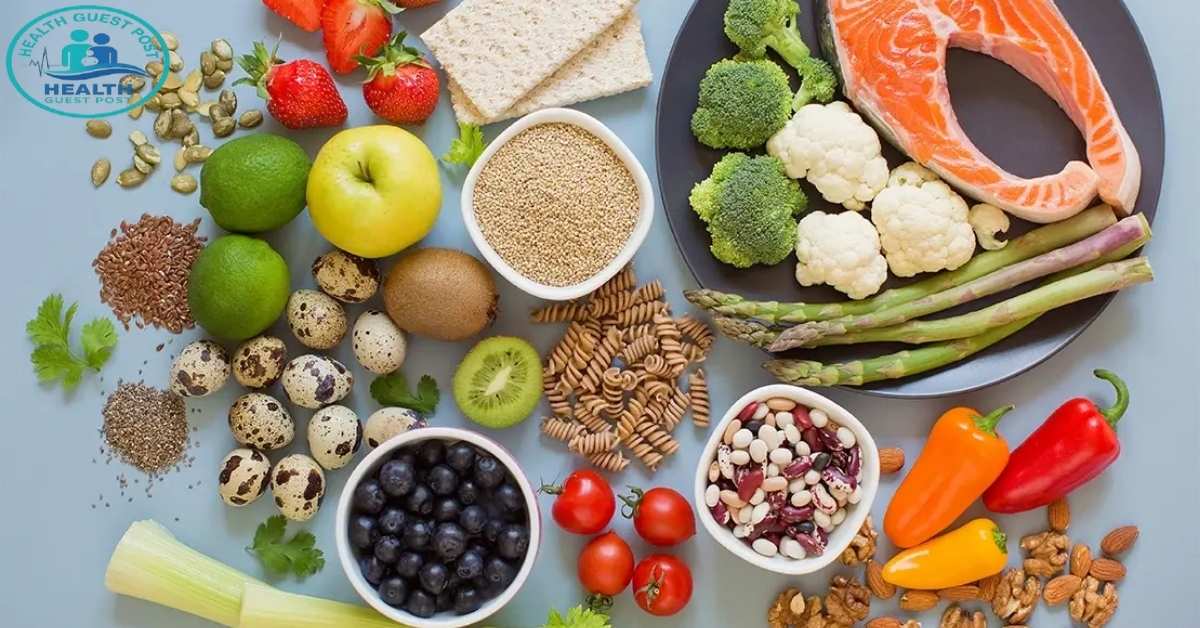
Have you ever stood in front of the fridge at night, hungry but terrified of ruining your progress? You’re not alone. Most people think eating less is the only way to stay lean. But that’s not the whole story. The real secret is eating smarter, not smaller.
Some foods are so low in calories and so high in volume that your stomach feels genuinely full without packing on the pounds. These aren’t diet gimmicks or bland rabbit food. They’re real, satisfying options you can enjoy every single day. Once you understand which foods work in your favor, eating for weight control stops feeling like punishment and starts feeling like a lifestyle.
14 Foods You Can Eat Without Gaining Weight
These are the foods that fill you up, fuel your body, and keep your calorie count in check, all at the same time.
1. Leafy Greens (Spinach, Kale)
Spinach and kale are two of the most nutrient-dense foods on the planet. A massive bowl of spinach salad barely clocks in at 20 to 30 calories. Yet it’s packed with iron, magnesium, vitamin K, and folate. Kale adds a slightly bitter, hearty texture and delivers a solid dose of fiber that slows digestion. When digestion slows, hunger stays away longer. Add these to smoothies, soups, stir-fries, or eat them raw with a light dressing. You genuinely cannot eat too much of these.
2. Cucumbers
Cucumbers are about 96% water. That alone makes them one of the best water-rich foods for people watching their weight. They’re crisp, refreshing, and almost calorie-free. One whole cucumber contains roughly 45 calories. Slice them up as a snack, toss them in a salad, or add them to your water for a subtle flavor boost. They’re satisfying without being indulgent, which is exactly what you need when hunger strikes between meals.
3. Celery
Celery has a reputation as a “negative calorie food,” and while that claim is a bit exaggerated, it’s not far off. It’s made up of over 90% water and contains almost no calories. More importantly, it takes real effort to chew, which slows down how fast you eat. Slower eating means your brain has time to register fullness. Pair celery sticks with hummus or almond butter if you want something more filling without straying far from healthy snacking territory.
4. Broccoli
Broccoli is a nutritional powerhouse hiding in a tree-shaped vegetable. One cup of steamed broccoli gives you around 55 calories but delivers fiber, vitamin C, and even a small amount of protein. It’s one of those high-fiber foods for weight loss that dietitians genuinely love recommending. The fiber keeps your gut happy and your hunger at bay. Roast it, steam it, throw it into a stir-fry. It adapts to almost any meal and keeps your plate full without tipping your calorie balance.
Read More: Abdominal Muscle Strain Symptoms: How to Tell It’s a Pulled Stomach Muscle
5. Cauliflower
Cauliflower has become the MVP of low-calorie cooking. You can turn it into rice, mash it like potatoes, or roast it into crispy bites. All of that, and a full cup only contains about 25 calories. It’s one of those non-starchy vegetables that works harder than it looks. The high fiber content supports healthy portion control by keeping you satisfied for longer stretches. It absorbs flavors beautifully too, so seasoning it well means you won’t miss the heavier alternatives.
6. Zucchini
Zucchini is mild, versatile, and surprisingly filling. It’s mostly water, which makes it a solid choice for anyone trying to eat more volume without consuming more calories. You can spiralize it into noodles, grill it, roast it, or add it to soups. One medium zucchini has around 30 calories. It also contains potassium and vitamin C, making it genuinely useful beyond just being low-calorie. It’s not exciting on its own, but paired with the right seasonings or sauces, it becomes something you actually look forward to eating.
7. Berries (Strawberries, Blueberries, Raspberries)
Berries deserve their own spotlight. They’re fiber-rich fruits that taste indulgent but behave like superfoods. Raspberries, in particular, have about 8 grams of fiber per cup, which is remarkable for a fruit. Blueberries are loaded with antioxidants and have a low glycemic index, meaning they won’t spike your blood sugar dramatically. Strawberries are hydrating, sweet, and refreshing. A full cup of strawberries contains roughly 50 calories. You get sweetness, volume, fiber, and hydration all in one. It’s hard to beat that combination.
8. Apples
An apple a day might not keep the doctor away entirely, but it does a great job of keeping hunger away. Apples are rich in pectin, a type of soluble fiber that slows down digestion and promotes a sense of fullness. They also have a satisfying crunch that makes snacking feel more intentional. One medium apple sits around 80 to 95 calories, which is genuinely low for how filling it is. They’re also portable, require no preparation, and taste great with a thin spread of almond butter.
9. Watermelon
Watermelon is one of the best fruits that don’t cause weight gain when eaten in reasonable amounts. It’s about 92% water, which means you can eat a generous portion and barely move the calorie needle. Two cups of watermelon cubes clock in at roughly 80 calories. It also contains lycopene, a powerful antioxidant. Is it the most fiber-rich option? No. But as a sweet, hydrating treat on a hot day or as a dessert replacement, it’s an excellent choice for anyone focused on healthy weight management.
10. Eggs
Eggs are one of the most studied high-satiety foods in nutrition science. They’re rich in protein and healthy fats, both of which slow digestion and reduce appetite for hours after eating. Research consistently shows that people who eat eggs for breakfast consume fewer calories throughout the rest of the day. Two large eggs contain around 140 calories but deliver 12 grams of protein. They’re efficient, affordable, and genuinely filling. The key is how you prepare them, which we’ll revisit later in the article.
11. Greek Yogurt (Plain, Low-Fat)
Greek yogurt is thick, creamy, and surprisingly low in calories when you stick to the plain, low-fat version. A single cup delivers around 100 to 130 calories and packs anywhere from 15 to 20 grams of protein. That protein content is what sets it apart from regular yogurt. It feeds your muscles, suppresses hunger hormones, and keeps you full for a solid stretch of time. It’s also a probiotic-rich food, meaning it supports gut health, which plays a bigger role in weight management than most people realize.
12. Oatmeal
Oatmeal is one of the most underrated metabolism-boosting foods out there. It’s warm, filling, and loaded with a type of soluble fiber called beta-glucan, which forms a thick gel in your stomach and dramatically slows the absorption of glucose. That means no sharp blood sugar spikes and no sudden crashes that send you raiding the pantry. A standard bowl of plain oatmeal made with water contains around 150 calories. It’s not glamorous, but it’s one of the most effective breakfast options for managing hunger throughout the morning.
13. Lean Chicken Breast
Lean chicken breast is the go-to lean protein source for good reason. It’s high in protein, low in fat, and incredibly versatile in the kitchen. A 100-gram serving of grilled chicken breast contains roughly 165 calories and 31 grams of protein. Protein has the highest satiety value of all three macronutrients. It reduces levels of the hunger hormone ghrelin and boosts peptide YY, a hormone that makes you feel full. Eating enough protein is one of the most reliable strategies for how to eat more without gaining weight.
14. Air-Popped Popcorn
Yes, popcorn is on the list. But we’re talking about air-popped popcorn, not the buttery, salted version from the cinema. Three cups of air-popped popcorn contain around 90 to 100 calories, and because of its volume and light crunch, it genuinely satisfies that desire to munch. It’s a whole grain, so it contains fiber and takes longer to digest than most low-calorie snacks. It’s the kind of smart swap that lets you snack freely without the guilt spiral.
Why These Foods Don’t Cause Weight Gain
Understanding the why behind these choices helps you make smarter decisions long-term. It’s not magic. It’s biology.
Low Calorie Density
Calorie density refers to how many calories are packed into a given weight or volume of food. Vegetables and water-rich fruits have extremely low calorie density. You can eat a large plateful and still consume very few calories. This is the foundation of volume eating, a strategy that many nutritionists recommend for people struggling with portion sizes.
High Fibre Content
Fiber doesn’t get digested the way other nutrients do. Instead, it slows the movement of food through your digestive system, which keeps you feeling full for longer. High-fiber foods for weight loss also feed beneficial gut bacteria, improve bowel regularity, and help stabilize blood sugar. Most adults don’t get nearly enough fiber. Incorporating more of these foods naturally closes that gap.
Protein’s Satiety Effect
Protein is the most satiating macronutrient. It affects multiple hunger-regulating hormones simultaneously. Foods high in protein, such as eggs, chicken, and Greek yogurt, reduce appetite more effectively than carbohydrate or fat-heavy alternatives. That’s why protein foods that reduce hunger appear on almost every evidence-based weight management plan.
Water Content and Fullness
Many of the foods on this list contain a significant amount of water. Cucumbers, watermelon, zucchini, and leafy greens are all predominantly water. This water adds physical volume to your stomach, triggering fullness signals without adding meaningful calories. Eating water-rich foods is one of the simplest ways to eat more without gaining weight.
Glycemic Index and Blood Sugar
Foods with a low glycemic index release glucose slowly into the bloodstream. This prevents the sharp spikes and crashes that trigger intense cravings. Berries, oatmeal, and most non-starchy vegetables all have a low to moderate glycemic index. Stable blood sugar means more consistent energy and fewer moments where you feel compelled to grab something sugary and regrettable.
What Can You Eat a Lot of and Not Gain Weight?
The honest answer is: plenty. You just have to know where to look.
Non-Starchy Vegetables
Broccoli, cauliflower, zucchini, celery, spinach, kale, bell peppers, green beans, and mushrooms all fall into this category. They’re low in carbohydrates, almost negligible in calories, and rich in fiber and micronutrients. You can eat genuinely large portions of these without any real concern. Think of them as the foundation of your plate, not the afterthought.
Broth-Based Soups
A bowl of vegetable broth soup before a meal has been shown in studies to reduce overall calorie intake during that meal by up to 20%. The warm liquid fills your stomach and takes the edge off your appetite before the main course even arrives. Use low-sodium broth and load it with non-starchy vegetables for a filling, satisfying, and almost calorie-free starter.
Water-Rich Fruits
Watermelon, strawberries, cantaloupe, and peaches are all predominantly water. They deliver sweetness and satisfaction with a fraction of the calories found in processed sweets. When a sugar craving hits, reaching for one of these is a much smarter response than a candy bar or a biscuit.
Portion Awareness and Preparation Tips
Even the healthiest foods can contribute to weight gain if you consistently eat far beyond your body’s energy needs. Awareness matters. Use a plate that’s mostly vegetables with a palm-sized portion of protein and a small serving of complex carbs. Meal prep makes this easier. When your fridge is stocked with pre-cut vegetables, boiled eggs, and ready-to-eat portions, the path of least resistance becomes the healthy one.
Foods That Don’t Cause Weight Gain (When Eaten Correctly)
Here’s a truth most nutrition articles skip over: preparation method changes everything.
Eggs: Cooking Method Matters
Two boiled or poached eggs sit around 140 calories. Add butter, cream, and cheese to make scrambled eggs and that same two-egg serving could easily jump to 300 or 400 calories. The egg itself isn’t the problem. What you cook it in is. Stick to boiling, poaching, or cooking with a light spray of olive oil.
Oatmeal: Plain vs. Loaded
Plain oatmeal made with water is genuinely low-calorie and filling. But instant oatmeal packets loaded with flavored syrups, dried fruit, and added sugars can carry 300 to 400 calories before you’ve added anything to the bowl. Always choose plain rolled oats and add your own toppings, a few berries, a drizzle of honey, or a sprinkle of cinnamon.
Popcorn: Air-Popped vs. Movie Theater
Movie theater popcorn can contain upward of 600 to 1,000 calories in a large bucket due to heavy butter and oil. Air-popped popcorn prepared at home with light seasoning? That same volume is roughly 100 to 150 calories. Same food. Completely different caloric outcome.
Greek Yogurt: Plain vs. Flavored
Flavored Greek yogurts often contain as much added sugar as a small dessert. Some flavored versions clock in at 200 to 250 calories with 20 or more grams of added sugar. The plain, low-fat version is dramatically leaner. Add your own fruit or a small amount of honey to control exactly what goes into it.
Chicken Breast: Grilled vs. Fried
Grilled chicken breast is a lean protein source at its finest. Fried chicken breast soaked in batter and cooked in oil can double or triple the calorie count. The protein content stays roughly the same, but the fat and calorie load skyrockets. If you’re eating chicken for its weight-friendly benefits, grilled, baked, or poached are your best options.
Whole Foods vs. Processed Alternatives
Whole foods are foods you can eat without gaining weight largely because they haven’t been stripped of their fiber, water, and nutrients. Processed alternatives, even ones marketed as “diet” or “light,” often compensate for reduced fat with added sugar and artificial thickeners. Real food wins every time. The closer your food is to its natural state, the better it works for your body.
Final Thoughts
Eating well doesn’t have to mean eating less. It means eating the right things. Foods you can eat without gaining weight exist in abundance, and most of them are affordable, accessible, and genuinely delicious when prepared well.
The foods on this list work because they’re low in calorie density, high in fiber, rich in water, or packed with protein. Often several of these at once. Build your meals around them, stay mindful of how you prepare them, and you’ll find that managing your weight feels a lot less like a battle and a lot more like a habit.
Small, consistent shifts in what lands on your plate make a bigger difference than any extreme diet ever could.
FAQ’s
What foods can you eat a lot of and not gain weight?
Non-starchy vegetables like spinach, broccoli, and cucumbers are your safest bet. They’re high in fiber and water and contain very few calories even in large portions.
Are fruits safe to eat freely without gaining weight?
Most whole fruits are weight-friendly due to their fiber and water content. Berries, watermelon, and apples are particularly good choices, though portion awareness still applies.
Does eating protein help with weight management?
Yes. Protein is the most satiating macronutrient. Foods like eggs, chicken breast, and Greek yogurt reduce hunger hormones and help you feel full longer, making it easier to manage overall calorie intake.
Is popcorn really a good snack for weight control?
Air-popped popcorn is genuinely a smart low-calorie snack. It provides volume, whole grain fiber, and satisfying crunch for around 90 to 100 calories per three cups. Just avoid the butter-heavy versions.
Can I eat these foods every day?
Absolutely. In fact, the more consistently you incorporate these weight-friendly foods into your daily routine, the more naturally sustainable healthy eating becomes over time.

Liam Grant is a health writer passionate about evidence-based wellness. With a background in nutrition and digital health research, he shares practical, medically reviewed insights promoting balanced living. Evan’s work focuses on trustworthy, expert-backed health advice designed to improve daily habits, mental clarity, and overall well-being for readers worldwide.