
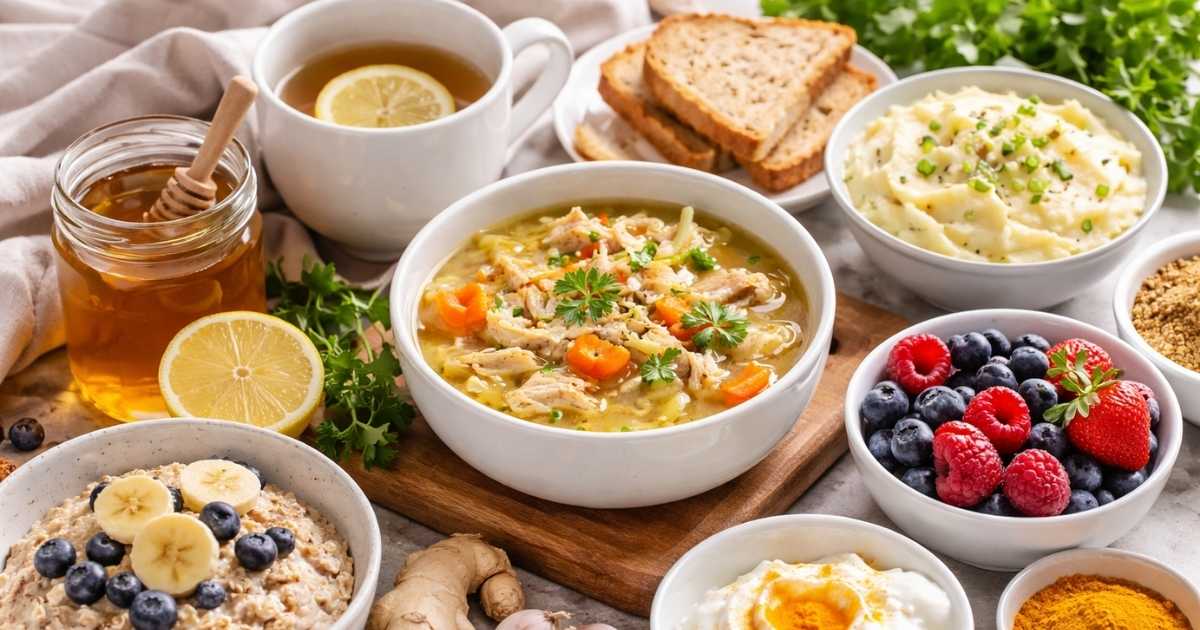
You wake up feeling terrible. Your head is pounding, your throat is on fire, and the last thing you want to do is think about food. But here’s the thing, what you eat (or don’t eat) when you’re sick can genuinely make or break your recovery. The right foods fuel your immune system. The wrong ones? They slow everything down.
This guide covers the best food to eat when sick, from a nasty cold to a stomach bug, sore throat, fever, or even a bladder infection. Think of it as your go-to recovery kitchen manual.
Why What You Eat When You’re Sick Matters More Than You Think
Most people either force themselves to eat “normally” when sick or stop eating altogether. Neither extreme actually helps. Your body is fighting hard, it’s running a literal internal battle, and it needs the right fuel to win.
When you’re ill, your metabolic rate increases. Your immune cells are multiplying and attacking. That process burns through nutrients fast. If you’re not replenishing them, recovery drags on longer than it needs to. On the flip side, eating heavy, greasy, or sugary food forces your digestive system to work overtime, pulling energy away from healing.
Think of your body like a phone with a low battery. You wouldn’t run a dozen apps while trying to charge it back up. Eating smart when you’re sick means choosing foods that charge you up, not drain you.
How Food Supports Your Immune System During Illness
Here’s something worth knowing: roughly 70% of your immune system lives in your gut. That’s not a metaphor. The gut microbiome directly communicates with immune cells and influences how your body responds to infection. So when your digestion is off, your immunity tends to follow.
Certain nutrients have a measurable impact on immune function. Vitamin C from citrus fruits helps stimulate white blood cell production. Zinc for cold recovery shortens illness duration, according to multiple clinical reviews. Protein rich foods during illness are essential because your body uses amino acids to build antibodies. Without adequate protein, your immune response is literally incomplete.
Beyond nutrients, foods with anti-inflammatory or antiviral properties, like garlic, turmeric, and ginger, can reduce the severity of symptoms and help your body clear the infection faster. This isn’t folk wisdom anymore. The science backs it up.
Read More: How I Knew I Had Uterine Cancer: Early Symptoms I Ignored
Best Foods to Eat When You Have a Cold

When a cold hits, your goal is simple: reduce inflammation, support immunity, and stay hydrated. Chicken soup for cold recovery has been studied and found to actually work, it’s not just comfort food mythology. The warm broth helps loosen congestion, the sodium replaces lost electrolytes, and the vegetables provide antioxidants that support your immune response.
Citrus fruits like oranges, grapefruit, and lemons are classic go-tos for a reason. They’re loaded with vitamin C rich nutrients that support white blood cell production. Don’t overlook kiwi, though, it actually contains more vitamin C per gram than most citrus.
Garlic is another powerhouse. Its antiviral and antibacterial natural properties come from a compound called allicin, which activates when garlic is crushed or chopped. Raw garlic is most effective, but even cooked garlic provides benefit. Add it generously to soups, broths, or stir it into warm honey.
Ginger tea for nausea and congestion is equally useful during a cold. Ginger contains gingerols and shogaols, compounds with proven anti-inflammatory and immune-modulating effects. A warm cup does double duty, it soothes your throat and helps open up your airways.
The best food to eat when sick with a cold is ultimately a combination of warm, hydrating, nutrient-dense options. Think broths, herbal teas, soft cooked vegetables, and easy to digest foods that don’t stress your gut.
What to Eat When You Have the Flu or Fever
The flu is a step up from a cold in intensity, and your body’s energy demands rise significantly when you have a fever. Hydration during fever becomes critically important because you’re losing fluids through sweating and rapid breathing.
Coconut water for dehydration is one of the best choices here. It naturally replenishes electrolytes like potassium and sodium without the artificial colors and sugar bombs found in most sports drinks. Plain water works too, of course, but if you find it hard to drink, warm herbal tea, diluted fruit juice, or broth all count.
When it comes to food, go light. Your appetite likely won’t be strong, and that’s your body redirecting energy toward fighting the virus. Small, frequent meals beat three large ones. Bananas are ideal, easy to eat, gentle on the stomach, and rich in potassium. Cooked oats are another excellent choice. They’re warm, soft, and provide slow-releasing energy without taxing your digestive system.
Turmeric is worth adding to warm drinks or soups when you have the flu. The active compound curcumin has well-documented anti-inflammatory effects, and some studies suggest it may help modulate immune responses during viral illness. Pair it with black pepper to dramatically boost absorption.
Avoid solid, heavy meals during a fever. Your digestive system slows down significantly when your body temperature rises. Instead, focus on hydration foods for illness, broths, herbal teas, warm lemon water, and diluted juices.
The Best Foods for a Stomach Bug or Food Poisoning
A stomach bug is a different beast. Vomiting and diarrhea strip your body of fluids and electrolytes at an alarming rate. The priority here isn’t nutrition, it’s stabilization.
Start with small sips of clear fluids. Water, diluted apple juice, or electrolyte drinks for sickness are your best friends in the first few hours. Don’t try to eat anything solid until the vomiting has stopped for at least a couple of hours.
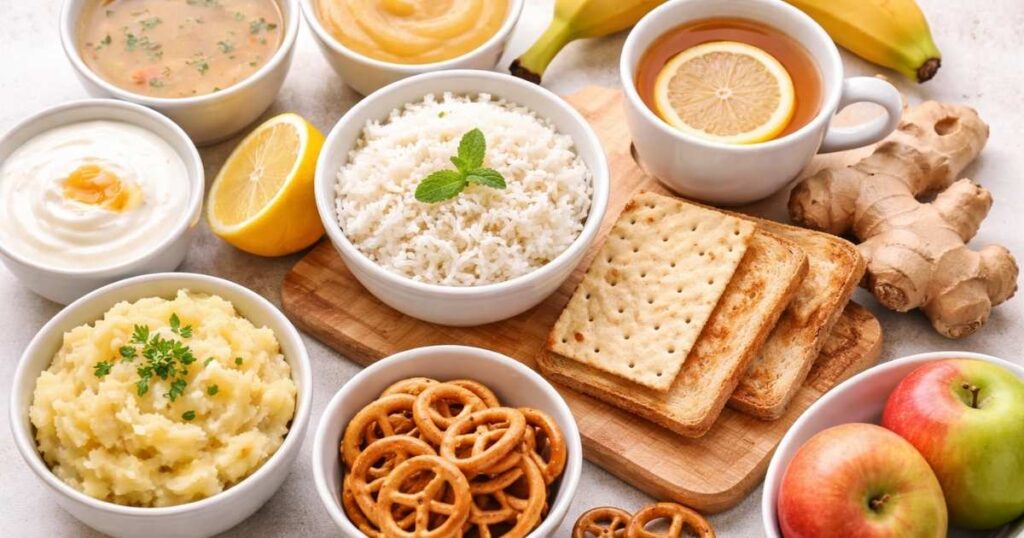
Once you can keep liquids down, the stomach bug recovery diet leans toward the BRAT approach, bananas, rice, applesauce, and toast. These are binding foods that help firm up loose stools and are extremely gentle on an irritated gut lining. More on BRAT in a moment.
Broths are another excellent transition food. Warm chicken or vegetable broth provides electrolytes sodium potassium balance that your body desperately needs after repeated vomiting or diarrhea. It’s also warm and comforting, which genuinely helps when you feel awful.
Avoid dairy, high-fat foods, and anything spicy during a stomach bug. Your gut lining is inflamed and irritated. Introducing complex, hard-to-digest foods too soon will just restart the cycle.
What to Eat for Nausea and Vomiting Relief
Nausea is one of the most miserable symptoms to deal with, especially when it lingers. The good news is that certain foods actively calm an upset stomach rather than aggravating it.
Toast for nausea is a classic recommendation for good reason. Plain, dry toast is one of the most bland and easily digested foods you can eat. It absorbs stomach acid and gives your gut something to work with without overwhelming it. Same principle applies to plain crackers.
Ginger is the gold standard nausea remedy. Multiple clinical trials have confirmed that ginger reduces nausea, including chemotherapy-induced and pregnancy-related nausea. Ginger tea, ginger chews, or even ginger ale (made with real ginger) can all help settle your stomach.
Peppermint tea for digestion also has solid evidence behind it. The menthol in peppermint relaxes the muscles of the gastrointestinal tract, reducing cramping and nausea. Sip it slowly and keep it warm rather than iced for the best effect.
Cold foods can sometimes help with nausea too. Ice chips, chilled applesauce, or a cold banana are often better tolerated than hot meals when nausea is at its peak. Strong smells tend to trigger nausea, so bland and cold works in your favor here.
Soothing Foods for a Sore Throat and Cough
A sore throat makes even swallowing water feel like a chore. The focus here is on soft, warm, coating foods that reduce irritation and don’t scrape against already inflamed tissue.
Honey for sore throat is one of the most well-supported natural remedies out there. It coats the throat, has antimicrobial properties, and can even reduce cough frequency. A tablespoon stirred into warm water or herbal tea works beautifully. Just don’t give honey to children under one year old, it’s unsafe for infants.
Warm broths and soups are ideal for sore throat recovery. They’re easy to swallow, hydrating, and provide nutrients without requiring much chewing. Soft foods for sore throat like mashed potatoes, scrambled eggs, yogurt, and oatmeal are all smart choices. They slide down easily and don’t further irritate inflamed tissues.
Cold options like ice cream, popsicles, or chilled yogurt can also provide temporary relief by numbing the throat slightly. There’s a reason doctors have recommended ice cream after tonsillectomies for decades.
Avoid anything crunchy, dry, acidic, or very spicy. Chips, crackers, citrus juice, and hot spices will all aggravate an already raw throat. Chamomile tea benefits for sore throat recovery are also notable, it has anti-inflammatory and mild analgesic properties that provide real, measurable comfort.
Natural Foods That Help Clear Congestion Fast
Stuffy sinuses are exhausting. Breathing through your mouth all night, waking up with a dry throat, struggling to taste anything, it’s genuinely draining. Certain foods act as natural decongestant options that help thin mucus and open up your nasal passages.
Spicy foods like chili peppers, wasabi, and horseradish contain compounds that temporarily open airways and promote sinus drainage. Capsaicin in chili peppers is particularly effective. A bowl of spicy broth can give you genuine, if temporary, relief from congestion.
Foods that reduce mucus include things like ginger, garlic, and citrus. On the flip side, dairy products like milk and cheese may increase mucus production for some people, it’s individual, but worth being mindful of when you’re already congested.
Herbal tea for congestion is a reliable option. Eucalyptus tea, peppermint tea, or even plain steam inhaled over a hot cup can help loosen mucus and open nasal passages. Pine needle tea is less common but has been traditionally used in many cultures for exactly this purpose.
Horseradish deserves a special mention. If you can handle the intensity, a small amount of prepared horseradish can clear sinuses almost instantly. It’s not for everyone, but it works fast.
The BRAT Diet Explained: Does It Really Work?
The BRAT diet, bananas, rice, applesauce, and toast, has been a go-to recommendation for upset stomachs for decades. But is it actually backed by science, or is it just old-school medical folklore?
Bananas for diarrhea work because they contain pectin, a soluble fiber that helps firm up stools. They also replace potassium lost through digestive distress. Rice for upset stomach acts as a binding agent, absorbing excess water in the intestines and reducing loose stools. Applesauce for stomach flu provides gentle, easily digestible carbohydrates along with pectin. Toast for nausea rounds it out as a low-fiber, easy-to-digest starch.
Modern gastroenterologists have softened their strict BRAT diet recommendations over the years. The diet is effective for short-term stabilization, but it’s nutritionally thin for extended recovery. After 24 to 48 hours, you’ll want to start introducing lean proteins, cooked vegetables, and more varied foods to support healing.
Think of the BRAT diet as a bridge, not a destination. It gets you from the acute phase to functional eating, and then you build from there.
Fermented and Probiotic Foods for Gut Recovery
If your stomach has taken a beating from illness, antibiotics, or stress, fermented foods for digestion can make a meaningful difference in how quickly your gut bounces back.
Probiotics immune support works by replenishing beneficial bacteria in your gut microbiome. When illness or antibiotic use disrupts the balance of gut flora, recovery can slow significantly. Fermented foods like yogurt, kefir, sauerkraut, kimchi, and miso reintroduce these helpful bacteria and support the gut’s immune signaling function.
Yogurt is probably the most accessible option. Look for live and active cultures on the label, not all yogurts contain them. Kefir is even more potent, containing a wider variety of beneficial bacterial strains. It’s tangy, drinkable, and surprisingly easy on the stomach.
Miso soup is worth singling out. It’s warm, soothing, easy to digest, and packed with probiotics and electrolytes. A bowl of miso during illness ticks a lot of recovery boxes at once.
One caveat: if you’re in the middle of active vomiting or severe diarrhea, hold off on fermented foods temporarily. Introduce them once your gut has stabilized and you’re moving into the recovery phase.
Immune-Boosting Superfoods That Speed Up Healing
Beyond the basics, some foods genuinely accelerate recovery by delivering high concentrations of immune-supporting nutrients.
Leafy greens immune health is a category worth taking seriously. Spinach, kale, and Swiss chard are rich in vitamins A, C, and E, along with folate, all critical for immune cell production and function. Lightly cooked spinach is actually easier to absorb than raw, and it’s gentle on a sick stomach.
Salmon omega 3 benefits during illness are significant. Omega-3 fatty acids help regulate inflammation, which is part of what makes you feel so rough when you’re sick. Including salmon, sardines, or flaxseed in your recovery diet can help moderate that inflammatory response and reduce body aches.
Zinc rich foods for immunity include pumpkin seeds, chickpeas, cashews, and beef. Zinc directly supports the function of immune cells and has been shown to reduce the duration of colds when taken within 24 hours of symptom onset. Food sources are gentler on the stomach than supplements.
Pineapple also deserves a mention here. Bromelain in pineapple is a powerful enzyme with anti-inflammatory and mucolytic properties, meaning it can actually help break down and clear mucus. Fresh pineapple (not canned, as bromelain is destroyed by heat processing) is a surprisingly therapeutic sick-day snack.
Anti-Inflammatory Foods for Pain, Backaches, and Body Aches
Body aches are one of the most uncomfortable flu symptoms, and inflammation is largely responsible. Eating an inflammation reduction diet during illness can measurably reduce that achiness and improve how you feel overall.
Turmeric anti-inflammatory properties are well established. Curcumin, the active compound, inhibits several key inflammatory pathways. Adding turmeric to warm milk (golden milk), soups, or broths is an easy way to get a therapeutic dose without needing supplements.
An anti-inflammatory foods for cold and flu recovery plan also includes fatty fish, olive oil, nuts, and berries. Blueberries and cherries in particular contain anthocyanins, which are potent anti-inflammatory compounds that work similarly to aspirin at a cellular level.
Tart cherry juice has emerged as a noteworthy option in recent years. Some research suggests it reduces inflammation and muscle soreness, which is particularly relevant when flu-related body aches are keeping you in bed. It’s not a miracle cure, but it’s a legitimate addition to your recovery toolkit.
An anti-inflammatory diet for back pain that flares up during illness follows similar principles, omega-3s, dark leafy greens, colorful vegetables, and avoiding processed foods that drive up inflammation markers.
What to Eat When Recovering from a Bladder Infection
Bladder infections (UTIs) are painful, frustrating, and surprisingly common. While antibiotics do the main work of clearing the infection, what you eat and drink can support recovery and reduce discomfort.
Cranberry juice for bladder infection is the most widely known dietary recommendation. The proanthocyanidins in cranberries prevent certain bacteria from adhering to the walls of the bladder and urinary tract. Pure, unsweetened cranberry juice or cranberry supplements are more effective than the sweetened commercial varieties, which are mostly sugar.
Hydration is arguably the most important dietary factor in UTI recovery. Drinking plenty of water helps flush bacteria from the urinary tract. Aim for at least eight to ten glasses a day, more if you can manage it.
Foods to eat when recovering from a bladder infection include garlic (for its antibacterial natural properties), probiotic foods like yogurt and kefir (to maintain healthy bacterial balance), and vitamin C rich fruits that help acidify urine and make it less hospitable to bacteria.
Avoid alcohol, caffeine, and spicy foods during a UTI. They can irritate the bladder lining and intensify symptoms. This is not the time for your morning coffee or evening glass of wine.
The Worst Foods to Eat When You’re Sick
Just as important as knowing what to eat is knowing what to avoid. Some foods are outright counterproductive during illness, and consuming them can genuinely extend your recovery time.
Alcohol dehydration during illness is a serious concern. Alcohol suppresses immune function, dehydrates your body, and disrupts sleep, three things you absolutely cannot afford when you’re sick. Even a small amount slows recovery. Skip it entirely until you’re fully better.
Caffeine sleep disruption recovery is another real issue. Coffee and energy drinks are diuretics that contribute to dehydration and interfere with the deep, restorative sleep your body needs to heal. If you can’t face the day without caffeine, switch to weak green tea, which provides a gentler lift without the same disruption.
Processed foods inflammation connection is well established. Packaged snacks, fast food, and sugary treats drive up inflammatory markers in the body. High glycemic foods inflammation is particularly relevant, foods that spike blood sugar quickly can suppress immune function for several hours after consumption.
Dairy may worsen congestion for some people, though this isn’t universal. If you notice that milk or cheese makes your mucus feel thicker, trust that observation and avoid them while you’re congested.
Foods that suppress immune system function include excessive sugar, refined carbohydrates, and highly processed snack foods. When you’re sick, your immune system is already under strain. Feeding it inflammatory junk makes its job significantly harder.
Smart Recovery Tips: Hydration, Portion Size, and Meal Timing
The what matters enormously, but so does the how. A few smart habits around hydration, portion size, and meal timing can meaningfully accelerate your recovery.
Hydration is the foundation. When sick, most people underestimate how much fluid they’re losing, especially with a fever, respiratory symptoms, or digestive issues. Sip fluids consistently throughout the day rather than gulping large amounts at once. Small, frequent sips are easier on a sensitive stomach and more efficiently absorbed.
Electrolyte drinks for sickness don’t have to be neon-colored sports drinks. Coconut water, diluted fruit juice, warm broths, and even plain water with a pinch of sea salt and a squeeze of lemon provide adequate electrolytes without the artificial additives.
Keep meals small and frequent. A large meal diverts significant blood flow to the digestive system, which can leave you feeling more sluggish and tired. Small, easy to digest meals every two to three hours are far more manageable when your energy and appetite are both low.
Meal timing matters too. Don’t push yourself to eat at regular mealtimes if your body isn’t ready. But do eat something, even a small amount, to keep your blood sugar stable and give your immune system the raw materials it needs. Skipping all food for extended periods is counterproductive.
Finally, keep things simple. This isn’t the moment for elaborate cooking or trying new cuisines. Warm, familiar, gentle foods eaten consistently will outperform any superfood strategy that requires effort and causes stress.
FAQ’s
What is the best food to eat when sick with a cold?
Warm chicken soup, ginger tea, garlic, and citrus fruits are among the most effective options. They provide hydration, anti-inflammatory compounds, and immune-supporting nutrients all at once.
Is it okay to eat normally when you have a fever?
Not really. During a fever, digestion slows and your appetite naturally drops. Stick to light, easy to digest foods, broths, and plenty of fluids rather than forcing regular meals.
Does the BRAT diet actually help with stomach bugs?
Yes, in the short term. Bananas, rice, applesauce, and toast help stabilize the gut and reduce diarrhea. After 24 to 48 hours, start reintroducing more varied foods to support fuller recovery.
Can food really help with a sore throat?
Absolutely. Honey, warm broths, chamomile tea, and soft foods like yogurt and mashed potatoes coat and soothe inflamed throat tissue. Cold options like popsicles also provide temporary pain relief.
What should you avoid eating when you’re sick?
Alcohol, caffeine, sugary and processed foods, and anything fried or greasy should all be avoided. These foods suppress immune function, drive up inflammation, and slow your body’s ability to recover.

Liam Grant is a health writer passionate about evidence-based wellness. With a background in nutrition and digital health research, he shares practical, medically reviewed insights promoting balanced living. Evan’s work focuses on trustworthy, expert-backed health advice designed to improve daily habits, mental clarity, and overall well-being for readers worldwide.