
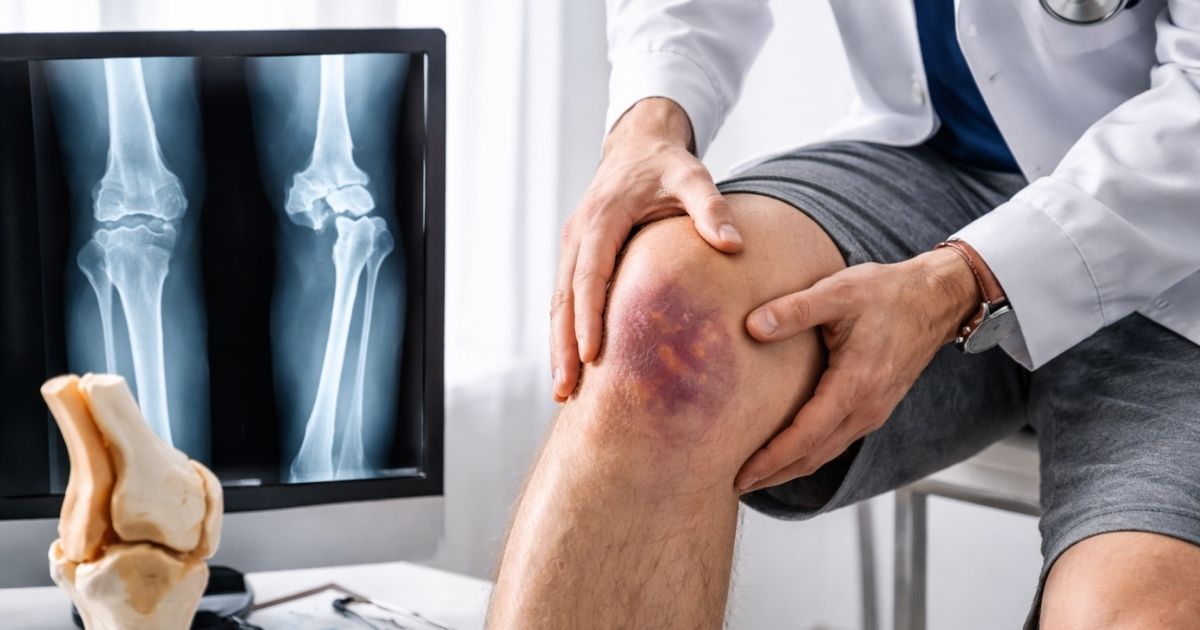
Pain after a fall can feel confusing and worrying. You might twist your ankle during sports or land badly on a hard surface. The discomfort is real yet the cause isn’t always obvious. Is the bone fractured or just bruised? That distinction matters because recovery time treatment and possible complications depend on the correct diagnosis. Clear understanding helps you respond calmly and make smarter care decisions.
Fractures and bone bruises often share symptoms like swelling tenderness and reduced movement. However fractures usually cause sharper pain deformity or trouble bearing weight while bone bruises create deep aching that improves slowly. Medical evaluation is important after significant trauma. Clinics such as ER of Irving use imaging to confirm injuries and prevent complications helping you know when home care works or urgent treatment is needed.
Bone Bruise vs Fracture – How to Tell the Difference
At first glance, a bone bruise and a fracture can feel shockingly similar. Both cause pain, swelling, and tenderness. Both can sideline you for weeks. But underneath the skin, they’re two very different injuries, and treating them the same way is a mistake you don’t want to make.
The clearest distinction lies in structural damage. A fracture means the bone has cracked or broken, partially or completely. A bone bruise, on the other hand, leaves the bone intact but damages the inner tissue. Think of it like a bruise on your shin after bumping into a table, except the damage goes deeper, into the bone itself. One disrupts the skeleton’s structure and the other doesn’t but both demand attention.
Read More: What Does a Stress Fracture Feel Like? Symptoms, Causes, and Treatment
Understanding Bone Injuries and Why They Happen
Bones are tougher than most people give them credit for. They absorb incredible force every single day. But push them past their limit, through sudden impact, repetitive stress, or simple bad luck, and something gives way.
Bone injuries are among the most common reasons people visit urgent care clinics. Sports, falls, car accidents, and overuse all contribute. Understanding what type of injury you’re dealing with is the first step toward healing it properly.
What Is a Bone Fracture?
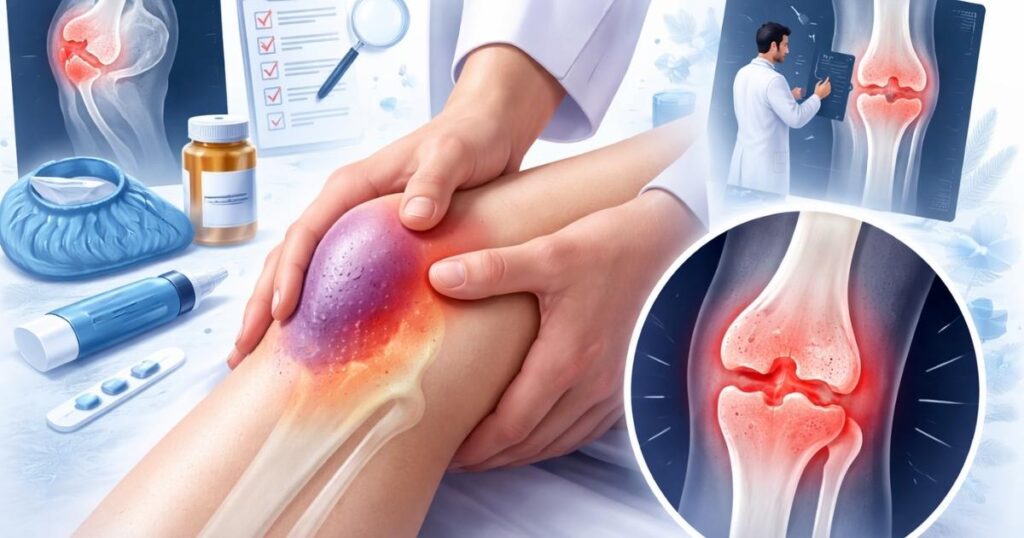
A fracture is any break in the continuity of a bone. It can be a hairline crack you barely notice at first or a complete break where the bone snaps in two. Compound fractures, where the bone pierces the skin, are the most severe and require immediate emergency care. Stress fractures develop gradually from repetitive loading, common in runners and athletes who increase training too quickly.
What Is a Bone Bruise?
A bone bruise, also called a bone contusion, happens when tiny trabeculae, the small rod-like structures inside bone, get damaged without fully breaking. The outer cortex stays intact but the interior suffers micro-level trauma. It’s a hidden injury that won’t always show up on a standard X-ray which is exactly what makes it so easy to miss and so frustrating to deal with.
Is a Bone Bruise as Serious as a Fracture?
Here’s a question worth taking seriously. Most people assume fractures are always worse but that’s not the full picture. Severe bone bruises can take three to six months to heal, sometimes longer. They can cause persistent deep bone pain and significant functional limitations.
Fractures, depending on type and location, may actually heal faster with proper immobilization. A simple fracture with a clean break can recover in six to eight weeks. Meanwhile, a stubborn bone bruise in the knee can drag on for months with ongoing swelling and tenderness. Neither injury deserves to be brushed aside and both can lead to complications if ignored.
Bone Bruise vs Fracture Symptoms You Should Never Ignore
Some symptoms scream “get to a doctor right now.” Others whisper. Knowing which signals to take seriously, and which might be manageable at home, could save you from a painful complication down the road.
Pain that intensifies with pressure, swelling that won’t go down, and visible deformity are all red flags. Whether the culprit is a fracture or deep bone contusion, your body is telling you something is wrong. Listen to it.
Read More:
Key Differences in Pain and Swelling
Fracture pain tends to be sharp, immediate, and severe right after the injury. It often gets worse with any movement or weight-bearing. Bone bruise pain is typically duller, deeper, and more aching in character, it may build gradually rather than hitting all at once. Swelling appears in both but fractures more commonly cause visible deformity or an unnatural alignment of the limb.
Bone Bruise Symptoms Explained
Bone bruise symptoms include localized tenderness directly over the bone, swelling and discoloration that develops over hours, and a deep aching sensation that worsens with activity. You might notice the area feels warm to the touch. Unlike muscle soreness, the pain sits right on the bone and pressing on it produces a sharp, specific discomfort. Rest helps but it doesn’t make the pain vanish quickly.
Fracture Warning Signs
Watch for these broken bone warning signs: intense localized pain, visible swelling or bruising, inability to bear weight, numbness or tingling, and any visual deformity where the limb looks wrong. If you heard or felt a snap during the injury that’s a strong indicator of a fracture. Open fractures, where bone is visible through the skin, require a 911 call, not a drive to urgent care.
Common Causes of Bone Bruises and Fractures
Trauma and High-Impact Injuries
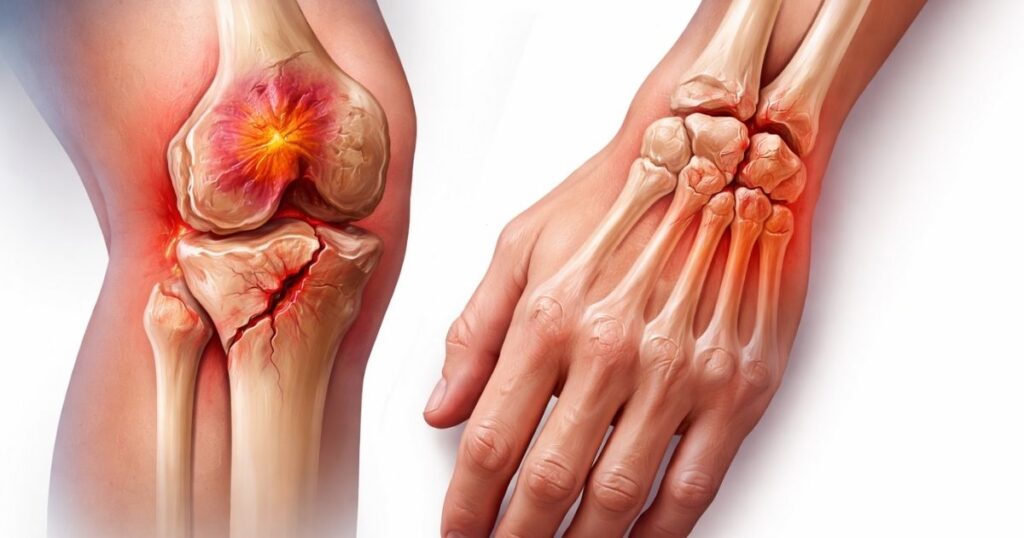
Falls, collisions, sports impacts, and accidents are the most straightforward causes of both fractures and bone bruises. A hard landing on a hard surface transmits enormous force through your skeleton. The ankle, wrist, and foot are especially vulnerable in falls. Rib bone injury symptoms often follow chest trauma, a car accident, a sports collision, or a bad tumble.
Repetitive Stress and Overuse Damage
Not all bone injuries happen in one dramatic moment. Stress fractures develop silently over time, tiny cracks accumulating from repeated loading without adequate recovery. Runners, military recruits, and dancers are particularly susceptible. Stress fracture foot pain often starts as a dull ache that gets progressively worse during activity and eases with rest. Ignore it and a stress fracture can become a complete break.
Read More: Skeletal Traction: Procedure, Uses, and Recovery Plan
Who Is Most at Risk for Bone Injuries?
Some people face a higher risk than others and knowing where you stand helps you stay proactive. Older adults face greater danger because bone density decreases naturally with age, osteoporosis makes fractures far more likely from even minor falls. Athletes in high-impact sports carry elevated risk for both stress fractures and bone contusions.
Children’s bones are more flexible so they often sustain a specific type called a greenstick fracture where the bone bends rather than snapping. People with poor nutrition, particularly low calcium and vitamin D intake, weaken their bone architecture over time. Those returning from sedentary periods who jump into intense training too quickly are prime candidates for stress injuries. Your history matters too: previous bone trauma raises your risk of reinjury in the same area.
How Doctors Diagnose a Bone Bruise or Fracture
Physical Examination and Mobility Testing
A doctor’s first move is a careful hands-on examination. They’ll press along the bone to locate tenderness, assess your range of motion, and evaluate whether you can bear weight. A point tenderness test, where pressing a specific spot causes sharp pain, strongly suggests either a fracture or bone contusion. They’ll also ask about your injury mechanism which tells them a great deal about the forces involved.
Imaging Tests Including X-ray and MRI
X-ray fracture detection is highly reliable for most complete fractures but here’s the catch, bone bruises don’t show up on X-rays at all. Neither do stress fractures in their early stages. MRI for bone bruise diagnosis is the gold standard because it reveals changes in bone marrow that X-rays simply can’t detect. If your pain persists and X-rays come back clean your doctor may order an MRI to rule out deeper injury. CT scans provide additional detail for complex fractures near joints.
Treatment Options for Bone Bruises and Fractures

Bone Bruise Treatment and Recovery
The RICE method, rest, ice, compression, and elevation, forms the foundation of bone bruise treatment. You’ll want to reduce activity and avoid putting stress on the injured area. Anti-inflammatory medications help manage pain and swelling. Most bone bruise recovery tips center on patience because you simply cannot rush this injury. Bone bruise recovery time typically ranges from a few weeks to several months depending on severity. Physical therapy helps restore strength and mobility once the acute phase passes.
Fracture Treatment and Immobilization
Fracture immobilization treatment depends entirely on the fracture type and location. Simple fractures get a cast or splint. A walking boot for foot fracture cases allows limited mobility while protecting the bone. Displaced fractures, where bone fragments shift out of alignment, may require surgical realignment using rods, plates, or screws. Open fracture complications include infection risk which makes these true medical emergencies. Bone healing nutrients like calcium, vitamin D, and protein play a meaningful supporting role throughout fracture healing stages.
How to Heal a Bone Bruise Faster at Home
You can’t fast-track bone healing the way you’d fast-track a deadline but you can absolutely support the process intelligently. Start with strict rest, continuing to stress the area slows recovery significantly. Apply ice for 15 to 20 minutes every few hours during the first 48 hours to reduce inflammation.
Elevation keeps swelling in check. Compression with a bandage adds support without cutting off circulation. Eat well, bone healing nutrients like calcium, vitamin D, magnesium, and protein genuinely accelerate tissue repair. Avoid smoking as it demonstrably impairs bone healing. Gentle movement within pain-free ranges, once the acute stage settles, promotes healthy circulation to the area. Most importantly, follow up with a healthcare provider because what you think is a simple bruise might need closer monitoring.
When to Seek Medical Attention for Bone Pain
Some situations simply can’t wait for a morning appointment. Head to the emergency room if you see visible deformity, bone through skin, or experience numbness and loss of circulation below the injury. These are signs of serious bone injury that demand immediate care.
Visit urgent care or your doctor promptly if pain is severe and doesn’t respond to over-the-counter medication, if you can’t bear weight after 24 to 48 hours, or if swelling is rapidly increasing. Even if you suspect a minor bone bruise it’s worth getting checked, soft tissue damage with bone trauma can mask more serious underlying injury. Delayed diagnosis leads to complications like malunion fracture healing where bone knits incorrectly and causes long-term problems. Trust your instincts. If it feels wrong it probably is.
FAQ’s
How to tell if a bone is bruised or fractured without imaging?
Check for deformity, inability to bear weight, and sharp point tenderness, these lean strongly toward fracture while a deep aching pain without deformity suggests a bone bruise.
Do bone bruises show on X-rays?
No, X-rays typically miss bone bruises entirely. An MRI is needed to confirm a bone contusion accurately.
Can you walk with a fractured foot?
Sometimes, yes, especially with stress fractures. But walking on a fracture risks worsening the injury so medical evaluation is strongly recommended before you keep going.
How long does a bone bruise take to heal?
Recovery ranges from a few weeks up to six months depending on injury severity and how well you rest and support healing.
When should I see a doctor for bone pain?
See a doctor if pain is severe, swelling is significant, you can’t bear weight, or symptoms don’t improve within 48 to 72 hours of home care.

Liam Grant is a health writer passionate about evidence-based wellness. With a background in nutrition and digital health research, he shares practical, medically reviewed insights promoting balanced living. Evan’s work focuses on trustworthy, expert-backed health advice designed to improve daily habits, mental clarity, and overall well-being for readers worldwide.