
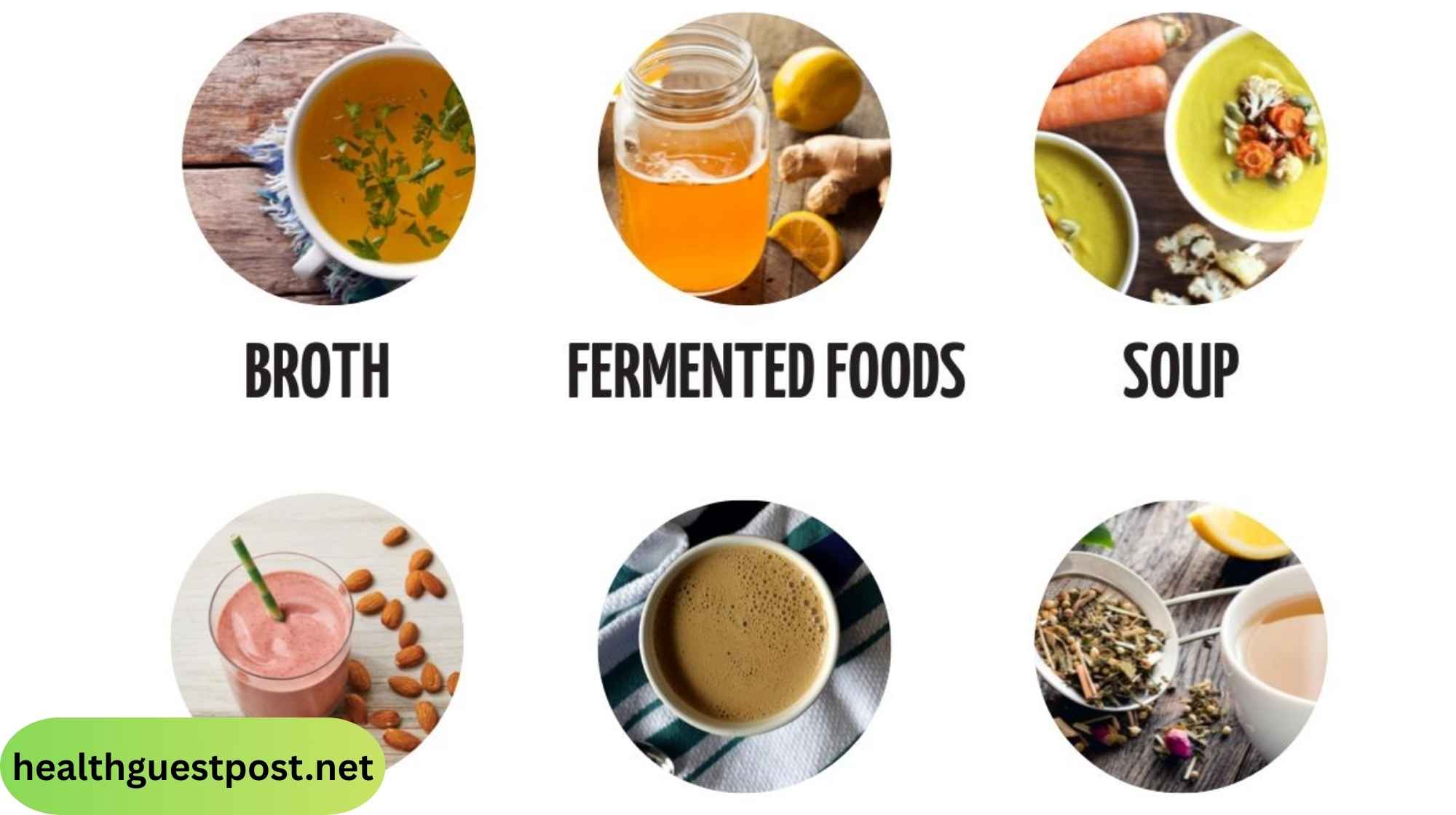
When you feel under the weather, it can be hard to know what to eat. Your body craves nourishment, but sometimes even the thought of food can feel overwhelming. Choosing the right foods when sick is crucial because the body needs energy to fight infection, reduce inflammation, and repair tissues. Eating the best foods to eat when sick can help you recover faster, strengthen your immune system, and soothe symptoms like congestion, sore throat, nausea, or fatigue. In this article, we explore the top foods that not only provide comfort but also actively support your recovery.
Many people make the mistake of eating whatever is convenient, but certain foods can actually slow down healing or make symptoms worse. On the other hand, some simple, nutrient-rich foods can have powerful effects on immunity and overall wellness. The 10 best foods to eat when sick listed here are carefully chosen based on their ability to provide essential nutrients, improve digestion, and promote hydration. You will also learn about foods to avoid and practical tips for nourishing your body during illness.
Top 10 Best Foods To Eat When Sick
Eating while sick isn’t just about filling your stomach. It’s about giving your body the tools it needs to fight illness. Healing foods are packed with vitamins, minerals, antioxidants, and protein, all of which help reduce the duration of sickness and prevent further complications. Foods that are gentle on the stomach, easy to digest, and soothing for symptoms like sore throat or congestion are ideal during this time.
The following foods are not only nutritious but also comforting, which is important when your appetite is low. They work in different ways—some hydrate, others fight inflammation, and some provide critical nutrients your immune system needs. By including a mix of these foods, you can make recovery smoother and even prevent certain complications.
Chicken Soup
Chicken soup has long been celebrated as the ultimate comfort food during illness, but it does more than make you feel warm and cozy. The broth provides hydration, while the vegetables and chicken offer essential nutrients like protein, vitamins, and minerals. Research has shown that chicken soup may help reduce inflammation in the respiratory tract and temporarily improve nasal airflow, easing congestion. Homemade versions are best, as you can control the ingredients and add vegetables like carrots, celery, and onions for extra nutrients. For a heartier option, add whole grains or legumes, which boost protein and fiber intake without overwhelming the stomach.
The Brat Diet
For people dealing with an upset stomach, diarrhea, or nausea, the BRAT diet—bananas, rice, applesauce, and toast—is widely recommended. These foods are bland, easy to digest, and help bind stool while replenishing lost nutrients. Bananas provide potassium, rice offers gentle carbohydrates for energy, applesauce delivers pectin to calm the digestive tract, and toast adds fiber without irritation. Following this diet for a short period can stabilize digestion and give your stomach a break while still supplying essential nutrients. Pairing the BRAT diet with hydration or probiotic foods can improve recovery and prevent further digestive upset.
Fruits, Vegetables, Honey, and Ginger
Fruits and vegetables are packed with antioxidants, vitamins, and minerals that support the immune system. Citrus fruits like oranges and grapefruits are rich in vitamin C, while leafy greens provide iron and folate. Honey acts as a natural soothing agent for sore throats, and ginger can reduce nausea and improve digestion. Consuming these foods regularly while sick can help your body fight infection more efficiently. For instance, a cup of ginger tea with honey not only hydrates but also calms the stomach and eases throat irritation. Combining fruits and vegetables in smoothies or stews maximizes nutrient intake without taxing your appetite.
Baked Chicken or Turkey Without Skin
Lean proteins like baked chicken or turkey are ideal during illness because they provide the amino acids your body needs to repair tissues and maintain energy, yet they are gentle on the stomach. Cooking without skin reduces fat, which can be harder to digest, while baking or steaming preserves nutrients. You can enhance flavor with mild herbs like parsley or thyme, which may also have anti-inflammatory properties. Serving small portions frequently rather than large meals can ensure you get enough protein without overwhelming your digestive system.
Fermented Food
Fermented foods like yogurt, kefir, kimchi, and sauerkraut are rich in probiotics, which support gut health—a critical component of immunity. A healthy gut helps regulate the immune response, reducing the risk of prolonged illness. Yogurt with live cultures can soothe the stomach and provide protein, while fermented vegetables deliver vitamins, minerals, and beneficial bacteria. For sensitive stomachs, start with small servings and gradually increase intake. Including fermented foods in your diet while sick can help restore gut balance and improve nutrient absorption, aiding faster recovery.
Herbal Teas
Herbal teas are a simple yet effective way to ease symptoms while staying hydrated. Chamomile tea can relax muscles and improve sleep quality, which is essential for recovery. Peppermint tea helps reduce nasal congestion, and echinacea tea may support immune function. Adding honey or lemon enhances flavor and provides additional benefits, such as soothing the throat and providing vitamin C. Sipping warm teas throughout the day can calm irritation, maintain hydration, and deliver gentle nutrients to support healing.
Fruits and Veggies High in Vitamin C
Vitamin C is essential for a robust immune system and can reduce the duration of colds. Fruits and vegetables like oranges, kiwis, strawberries, bell peppers, and spinach are rich in this vital nutrient. Consuming them raw or lightly steamed preserves their vitamin content. For instance, a fresh fruit salad or a green smoothie can provide a concentrated dose of antioxidants and vitamin C, which helps neutralize free radicals and strengthen your body’s defenses. Regular intake of these foods can make a noticeable difference in recovery time.
Oatmeal
Oatmeal is gentle on the stomach, easy to digest, and provides fiber, which helps maintain energy levels during illness. It can be enhanced with honey, cinnamon, or soft fruits like bananas and blueberries to increase both flavor and nutritional value. The warm texture is comforting for those with sore throats, and oatmeal’s complex carbohydrates provide sustained energy without causing digestive upset. In studies, people who eat fiber-rich foods like oatmeal during illness report feeling more satisfied and less fatigued, which supports overall recovery.
Coconut Water
Coconut water is a natural source of electrolytes, which helps prevent dehydration caused by fever, diarrhea, or vomiting. Unlike sugary sports drinks, coconut water is low in calories and free from artificial ingredients while still providing potassium, magnesium, and sodium. Drinking coconut water replenishes lost fluids, maintains energy, and aids in toxin elimination, making it an ideal beverage during sickness. For extra flavor or nutrients, it can be combined with a splash of citrus or a pinch of ginger.
Kale, Broccoli, Cranberries, Green Tea, Red Onions, and Blueberries
These foods are packed with antioxidants and anti-inflammatory compounds that strengthen the immune system and help the body fight infections. Kale and broccoli deliver vitamin C and fiber, cranberries provide antioxidants that protect cells, green tea contains catechins with antiviral properties, red onions are rich in quercetin, and blueberries offer anthocyanins that reduce oxidative stress. Including a variety of these foods ensures a broad spectrum of immune-boosting nutrients. For convenience, smoothies, soups, or simple steamed combinations allow for easy consumption even when appetite is low.
Worst Foods to eat when you have a cold
Not all foods help during illness. Processed foods, sugary drinks, fried foods, and alcohol can increase inflammation, irritate the digestive system, and prolong recovery. Dairy may worsen mucus production for some people, and spicy or greasy foods can exacerbate stomach upset. Avoiding these items allows your immune system to focus on healing rather than combating additional irritation. Focusing on simple, whole, and nutrient-rich foods is always the better choice when your body is under stress from illness.
Final Verdict: Best foods to eat when sick
The best foods are those that provide hydration, easy-to-digest nutrients, and immune-boosting compounds. Chicken soup, lean proteins, fruits, vegetables, herbal teas, and fermented foods all serve a purpose in supporting recovery. At the same time, avoiding processed, greasy, and sugary foods prevents unnecessary strain on the body. By combining comfort, nutrition, and simplicity, you can recover faster, reduce symptoms, and maintain your strength while fighting illness.
FAQs
What foods are best to fight a virus?
Immune-boosting foods rich in vitamins, antioxidants, and probiotics are most effective. Citrus fruits, leafy greens, garlic, ginger, lean proteins, and fermented foods all support the immune system. Including a variety of these foods ensures your body gets both immediate energy and long-term immune support.
What food should not be eaten during a stomachache?
Foods that irritate the digestive system should be avoided. Fried or greasy foods, heavy dairy products, caffeine, and spicy dishes can worsen nausea or diarrhea. Eating bland, easily digestible foods like rice, bananas, or toast helps soothe the stomach and prevent further discomfort.
Which food is best for the immune system?
Foods rich in vitamin C, vitamin D, zinc, antioxidants, and probiotics are ideal for immunity. Examples include citrus fruits, green vegetables, berries, yogurt, garlic, ginger, and lean proteins. Regular consumption of these foods strengthens the immune system and helps prevent infections.
What should be avoided when you have mucus?
To reduce mucus production, avoid heavy dairy products if they trigger congestion, sugary foods, and fried or greasy meals. Focusing on fruits, vegetables, lean proteins, and hydrating beverages can minimize mucus buildup and promote clearer airways.

Liam Grant is a health writer passionate about evidence-based wellness. With a background in nutrition and digital health research, he shares practical, medically reviewed insights promoting balanced living. Evan’s work focuses on trustworthy, expert-backed health advice designed to improve daily habits, mental clarity, and overall well-being for readers worldwide.