
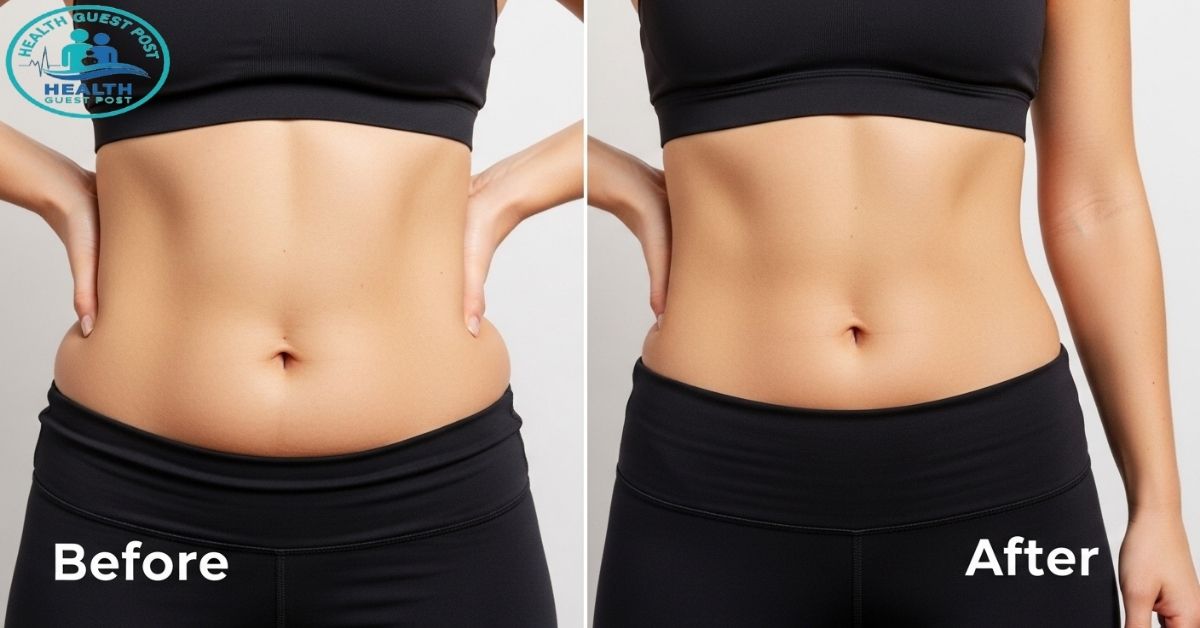
You’ve probably stood in front of the mirror, lifted that lower belly fold, and wondered, will this ever change? If you’re dealing with an apron belly, you already know it’s not just about appearance. It affects how clothes fit, how you move, and sometimes, how you feel about yourself walking into a room.
Here’s the thing nobody tells you upfront: apron belly before and after exercise results are real, but they don’t look the way Instagram makes you think they will. There’s no magic week where everything tightens up overnight. But with the right approach, genuine, visible, and lasting changes absolutely happen. Let’s get into what’s actually realistic, and what you can do starting today.
Can Exercise Reduce Apron Belly? The Realistic Truth
Let’s be straight with you. You cannot spot-reduce fat from one specific area. That’s just not how human physiology works. But exercise does something powerful, it changes your entire body composition over time, and that includes the lower abdominal region where apron belly accumulates.
Here’s how exercise contributes to real, measurable change:
1. Burns Overall Body Fat
Your body loses fat systemically, meaning it pulls from fat stores all over, including the abdomen. Consistent cardio and strength training create a caloric deficit that gradually reduces the fat layer underneath and around the apron fold. The more consistently you move, the more your body dips into those stubborn fat reserves.
Read More: How Long Does Strep Last? Symptoms, Recovery & Contagious Period
2. Tightens and Strengthens the Core
Exercises that target deep abdominal muscles, like the transverse abdominis, don’t burn the fat sitting on top, but they build a stronger, more supported structure underneath. Think of it like renovating the foundation of a house. The outside looks better when what’s underneath is solid.
3. Reduces Bloating and Fluid Retention
Regular movement literally massages your digestive system. It encourages lymphatic drainage, reduces water retention in the lower belly, and helps your gut function more efficiently. Many people notice their lower belly looks visibly flatter within the first two weeks of regular exercise, and that’s largely due to reduced bloating.
4. Improves Posture
Poor posture pushes your lower abdomen forward, making the apron fold appear more pronounced than it actually is. Strengthening your core and back through exercise corrects that anterior pelvic tilt. When you stand taller, your belly naturally retracts. It’s one of those underrated transformations that shows up fast.
5. Enhances Overall Muscle Tone
As you lose fat and build lean muscle across your whole body, the overall silhouette changes. Arms, legs, back, they all tone up. This contrast makes the midsection appear more defined even before dramatic fat loss occurs.
6. Supports Hormonal Balance
Exercise, especially resistance training, helps regulate insulin sensitivity and cortisol levels. Both of these hormones play a massive role in where your body stores fat. Chronically elevated cortisol? Your body stockpiles fat right in the lower belly. Regular movement disrupts that cycle.
Realistic Expectation:
Exercise alone will not eliminate an apron belly entirely for most people. However, it can significantly reduce fat volume, improve the appearance and feel of the area, strengthen the core, and in many cases create a dramatic before-and-after difference over several months. Pair it with the right diet and lifestyle habits, and you’re looking at real, sustainable transformation.
What Results You Can Expect From Apron Belly Before and After Exercise
This is the part most articles skip, the honest, week-by-week breakdown of what actually happens inside and outside your body.
Week 1–2: Foundation Phase (Internal Changes Begin)
You won’t see dramatic visual changes yet, and that’s completely normal. What’s happening inside, though, is significant. Your metabolism is adjusting. Inflammation starts to reduce. Digestion improves. If you’ve been sedentary, your body is recalibrating its energy systems. Many people report feeling less bloated and slightly more energetic within the first two weeks. Don’t quit during this phase, it’s the foundation everything else is built on.
Week 3–6: Early Visible Improvements
This is where most people start to notice something. Clothes fit a little differently. The lower belly feels slightly less heavy. You might notice reduced puffiness, especially in the mornings. Your posture has likely improved because your core is getting stronger. The fat hasn’t dramatically shifted yet, but the internal architecture is changing. Stick with it.
Week 7–12: Noticeable Before-and-After Transformation
If you’ve been consistent with exercise and eating well, weeks seven through twelve are often when people start taking before-and-after photos because the change feels real. Fat loss is becoming visible. The apron fold may feel less dense and hang differently. Core strength has noticeably improved. This is also the phase where motivation typically surges because you can actually see the work paying off.
3–6 Months: Significant Reduction & Shape Change
This is the zone where the most dramatic apron belly transformations occur. With consistent exercise five days a week, a protein-rich diet, and good sleep habits, many people experience a meaningful reduction in the size and prominence of the apron fold. The belly sits differently. The lower abdomen feels tighter. Energy levels are higher, and the overall body shape has shifted.
Important Reality Check
Apron belly, especially after pregnancy or significant weight loss, often involves loose skin, not just fat. Exercise and diet can reduce the fat component substantially, but loose skin does not tighten through exercise alone. If that’s part of your situation, it’s worth understanding that your results will still be significant and meaningful, even if the skin laxity remains. You’re not failing, you’re dealing with a physiological reality that exercise alone can’t reverse.
8 Best Exercises for Apron Belly (Effective & Safe for Visible Results)
These aren’t random gym moves. Each one is chosen for its ability to either target deep core muscles, burn overall body fat, or both, safely and effectively.
1. Planks (Strengthen Deep Core Muscles)

The plank is the gold standard for core engagement. It activates the transverse abdominis, the deepest layer of abdominal muscle, along with the obliques and lower back. Hold a forearm plank for 20–30 seconds at first and work up to 60 seconds or more. Form matters more than duration. Keep your hips level and breathe steadily.
2. Reverse Crunches (Targets Lower Abs Safely)

Reverse crunches are far more effective for the lower abdominal region than standard crunches. Lying on your back, you bring your knees toward your chest using your core, not momentum. This movement directly recruits the lower rectus abdominis, which is the muscle closest to the apron fold area. Start with 10–15 reps and build gradually.
3. Leg Raises (Strong Lower Ab Toning)
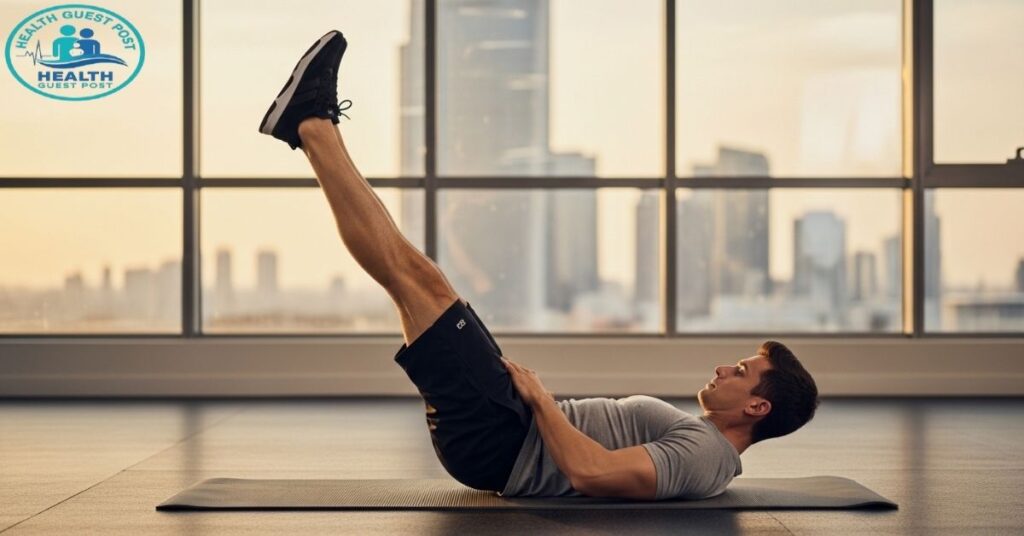
Similar to reverse crunches but more demanding. Lying flat, you raise both legs from the floor to a 90-degree angle, then lower them slowly without letting them touch the ground. The slow lowering phase, the eccentric contraction, is where the real toning magic happens. If full leg raises are too intense initially, bent-knee leg raises work just as well.
4. Dead Bug (Safe for Beginners)
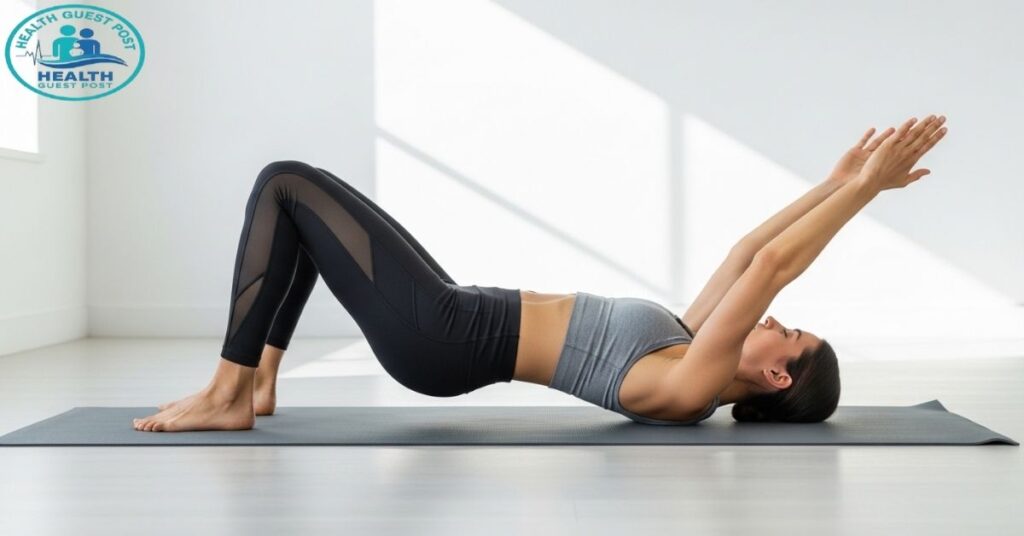
The dead bug might have a funny name, but it’s extraordinarily effective. You lie on your back, arms pointing toward the ceiling, knees bent at 90 degrees. Then you slowly extend the opposite arm and leg simultaneously while keeping your lower back pressed to the floor. It trains deep core stability without straining the lower back. Perfect for beginners or post-pregnancy recovery.
5. Pelvic Tilts (Reduces Lower Back Arch & Belly Protrusion)
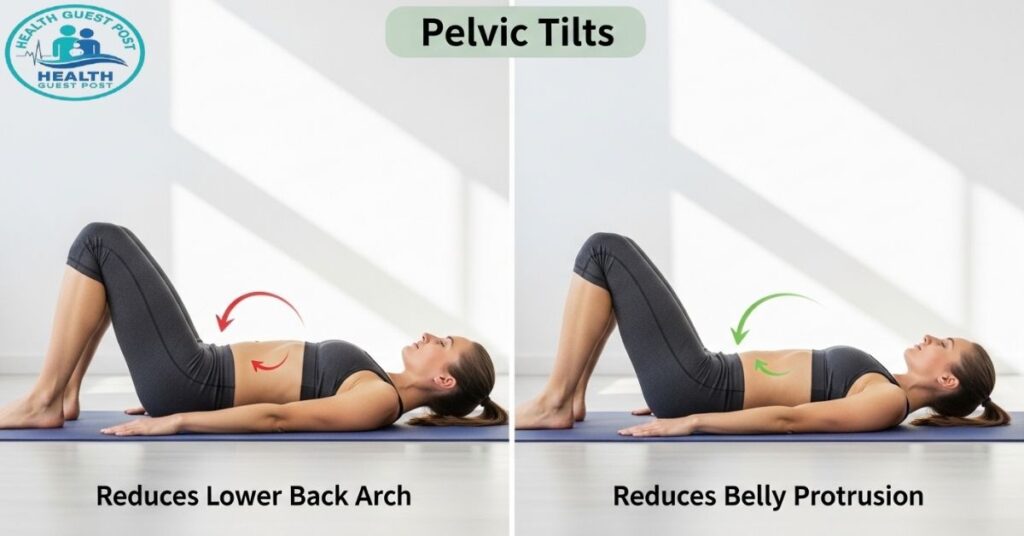
If you have an anterior pelvic tilt, which is incredibly common and makes the belly protrude more, pelvic tilts are a game-changer. Lying on your back with knees bent, you gently flatten your lower back against the floor by contracting your abs. Hold for five seconds and release. Doing this daily corrects posture-related belly protrusion surprisingly fast.
6. Mountain Climbers (High-Calorie Burn)
Mountain climbers combine core engagement with elevated heart rate, a powerful combination for fat loss. In a plank position, you alternate driving your knees toward your chest rapidly. They’re challenging, but even a 20-second burst is effective. They torch calories, engage the full core, and get your cardiovascular system working simultaneously.
7. Brisk Walking or Incline Walking (Underrated but Powerful)
Don’t underestimate walking. Forty-five minutes of brisk walking at an incline burns a significant amount of visceral fat over time. It’s low-impact, sustainable, and accessible to almost everyone. Visceral fat, the deep abdominal fat that pushes the belly outward, responds particularly well to steady-state aerobic exercise like incline walking. If you do nothing else, walk consistently.
8. Cycling or Stationary Bike (Low-Impact Belly Fat Reduction)
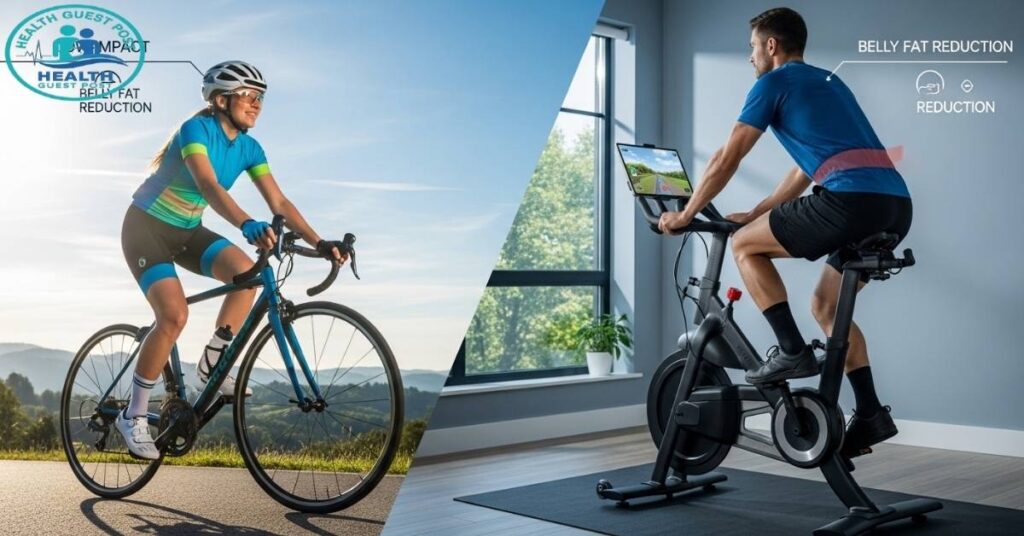
Cycling is exceptional for burning calories without stressing the joints. It’s especially valuable for people with knee pain or mobility limitations. A 45-minute cycling session burns roughly 400–600 calories depending on intensity, and when done consistently, the cumulative fat loss shows up in the abdominal region meaningfully over time.
Why These Exercises Work
The combination of deep core strengthening (planks, dead bug, pelvic tilts) with calorie-burning movement (mountain climbers, walking, cycling) creates a two-pronged attack on apron belly. One builds the muscular foundation underneath. The other reduces the fat layer sitting on top. Together, they produce the before-and-after transformation that isolated ab exercises alone never could.
Diet Tips That Help Reduce Apron Belly
Exercise is only half the equation. What you eat either accelerates your results or quietly undermines them. Here’s what actually makes a difference:
1. Focus on High-Protein Meals
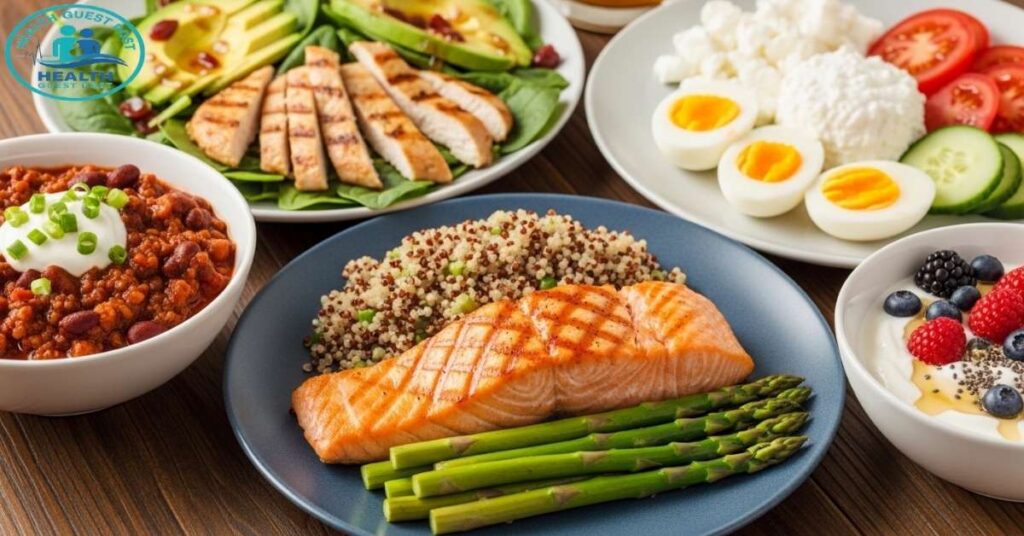
Protein keeps you full, preserves muscle while you’re losing fat, and has a high thermic effect, meaning your body burns more calories just digesting it. Aim for chicken, eggs, lentils, Greek yogurt, or tofu at every meal.
2. Cut Back on Processed Carbs & Added Sugar
Refined carbohydrates spike insulin, which directly promotes fat storage in the abdominal region. Swapping white bread and sugary snacks for whole grains, oats, and fresh fruit makes a measurable difference in belly fat over time.
3. Choose Fiber-Rich Foods to Reduce Bloating
Fiber feeds beneficial gut bacteria, keeps digestion regular, and prevents the bloating that makes the lower belly look more distended. Vegetables, legumes, flaxseeds, and berries are particularly effective.
4. Add Healthy Fats for Hormonal Balance
Avocados, olive oil, nuts, and fatty fish provide the dietary fats your body needs to produce hormones properly. Chronically low-fat diets can disrupt estrogen and cortisol balance, both of which influence belly fat storage.
5. Drink More Water: Hydration Reduces Belly Swelling
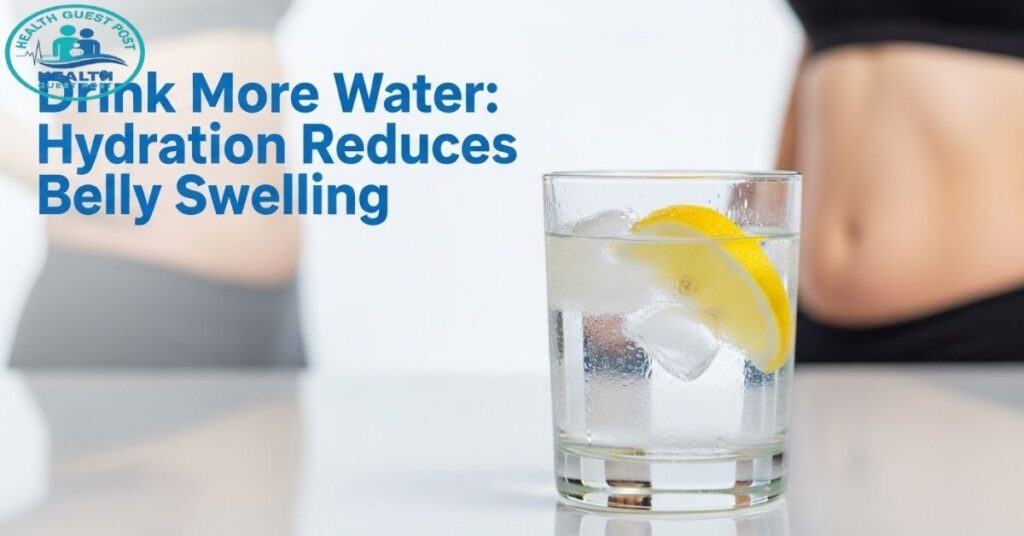
Dehydration causes the body to retain water, particularly around the lower abdomen. Drinking two to three liters of water daily helps flush excess sodium, reduce puffiness, and keep metabolism functioning efficiently.
6. Reduce Sodium to Prevent Lower Belly Puffiness
Excess sodium causes immediate water retention. Cutting back on packaged foods, soy sauce, and salty snacks can visibly reduce belly puffiness within 24–48 hours.
7. Avoid Eating Late at Night
Late-night eating disrupts the body’s circadian metabolic rhythm. Calories consumed close to bedtime are more likely to be stored as fat, particularly visceral abdominal fat. Try to finish your last meal at least two to three hours before sleep.
8. Try a Balanced, Sustainable Eating Pattern
No crash diets. No severe restriction. A Mediterranean-style eating approach, rich in vegetables, lean proteins, whole grains, and healthy fats, consistently outperforms extreme diets for long-term fat loss and hormonal health.
9. Limit Alcohol
Alcohol is calorically dense, disrupts liver function, elevates cortisol, and directly promotes abdominal fat storage. Even moderate reductions in alcohol consumption often produce noticeable changes in belly size within weeks.
10. Eat Smaller, More Frequent Meals If You Feel Bloated
If bloating is a persistent issue, spreading your food intake across four to five smaller meals rather than two or three large ones can significantly reduce digestive distension throughout the day.
Simple Apron Belly Meal Example (1-Day Plan)
Here’s what a practical, belly-friendly day of eating looks like, nothing exotic, nothing expensive:
Breakfast: Two scrambled eggs with spinach and a slice of whole-grain toast. Black coffee or green tea.
Mid-Morning Snack: A small handful of mixed nuts and a piece of fruit (apple or pear).
Lunch: Grilled chicken breast with a large mixed salad (cucumber, tomatoes, olive oil, lemon dressing) and a small portion of brown rice or quinoa.
Afternoon Snack: Greek yogurt with a sprinkle of flaxseeds.
Dinner: Baked salmon or lentil soup with roasted vegetables (broccoli, zucchini, carrots). No starchy sides.
Evening: Herbal tea. No snacking after 8 PM.
This isn’t a restrictive meal plan, it’s just a real-food template that hits protein, fiber, and healthy fat targets without excess sugar or processed ingredients.
Habits That Help Improve Apron Belly
Lifestyle habits quietly compound over time. These don’t require a gym or a meal plan, just consistency.
1. Prioritize 7–8 Hours of Sleep
Sleep deprivation elevates ghrelin (hunger hormone) and cortisol simultaneously. The result? More cravings, more fat storage, and less fat-burning. Seven to eight hours of quality sleep is genuinely one of the most powerful belly-fat interventions available.
2. Reduce Stress to Lower Cortisol Belly Fat
Chronic stress keeps cortisol elevated, and cortisol tells your body to store fat around the midsection. Meditation, deep breathing, walking in nature, or even ten minutes of quiet daily can measurably lower cortisol over time.
3. Avoid Long Sitting Hours
Prolonged sitting compresses the abdominal region and slows metabolism. Set a timer to stand and move for five minutes every hour. Even small interruptions to sedentary time improve insulin sensitivity and circulation.
4. Stay Consistent with Daily Movement
You don’t need to crush intense workouts every day. What matters more is daily movement, a walk after dinner, taking stairs, standing while on calls. Non-exercise activity thermogenesis (NEAT) adds up to hundreds of extra calories burned daily.
5. Limit Smoking & Alcohol
Both compromise your body’s ability to metabolize fat efficiently. They also increase oxidative stress and inflammation, which promotes visceral fat accumulation specifically.
6. Don’t Skip Meals
Skipping meals causes blood sugar crashes, which trigger intense cravings and often lead to overeating later. Consistent, balanced meals keep your metabolism and hunger hormones regulated.
7. Practice Good Posture
Stand tall, pull your shoulders back, and engage your core lightly throughout the day. This daily postural practice actively strengthens abdominal muscles passively and reduces the visual protrusion of the lower belly.
8. Track Your Progress Weekly
Weekly photos, measurements, and journaling keep you grounded in reality and motivated by actual progress. The scale alone is a poor metric, your waist measurement and how your clothes fit tell a much more accurate story.
Hormonal Factors That Can Make Apron Belly Worse
Sometimes, despite consistent effort, the belly doesn’t respond the way you’d expect. Hormones are often the hidden variable.
Estrogen dominance, a common condition in women with high body fat or hormonal imbalances, promotes fat storage in the lower abdominal region specifically. Declining estrogen during perimenopause and menopause causes fat to redistribute toward the belly even without weight gain. Insulin resistance, which develops over years of high-sugar eating and sedentary living, makes it exceptionally difficult to burn abdominal fat. The body keeps glucose in the bloodstream rather than using it as energy, and excess glucose converts to stored fat.
Elevated cortisol from chronic stress and sleep deprivation directly signals the body to deposit fat in the visceral abdominal space. Thyroid dysfunction, even subclinical hypothyroidism, slows metabolism, promotes fluid retention, and causes progressive belly expansion that doesn’t respond to diet or exercise alone.
If you’ve been exercising consistently and eating well for three or more months with minimal belly fat change, a hormonal evaluation with your doctor may reveal the actual barrier to your progress.
When to Consult a Doctor About Your Apron Belly

Most apron belly cases are a lifestyle and body composition issue, not a medical emergency. But there are situations where professional evaluation is genuinely necessary.
Your Belly Is Growing Quickly Without Weight Gain
Rapid, unexplained abdominal expansion can indicate fluid accumulation (ascites), organ enlargement, or other internal issues that require immediate evaluation.
You Have Symptoms of Diabetes or Blood Sugar Problems
Excessive thirst, frequent urination, fatigue after meals, and slow wound healing alongside central obesity are red flags for insulin resistance or type 2 diabetes. Get your fasting glucose and HbA1c checked.
You Experience Lower Abdominal Pain or Discomfort
Pain in the lower abdominal region, particularly if persistent, should always be investigated. Hernia, pelvic organ issues, or digestive conditions can mimic or contribute to lower belly protrusion.
Your Core Feels Extremely Weak After Pregnancy
Severe diastasis recti, abdominal muscle separation after pregnancy, requires specialized physiotherapy, not standard core exercises. Some movements can actually worsen the separation if it’s significant.
You Are Not Seeing Results After Months of Consistency
If you’ve been genuinely consistent for four to six months and nothing is changing, it’s time to rule out thyroid disorders, hormonal imbalances, or medication side effects that may be working against you.
You Have Signs of High Cortisol (Stress Belly)
Unexplained weight gain around the midsection, round face, skin thinning, easy bruising, and fatigue can point to Cushing’s syndrome, a condition of excess cortisol that requires medical management.
You Notice Skin Issues Under the Apron Fold
Moisture, friction, and warmth under the apron fold create an ideal environment for fungal infections, intertrigo, and skin breakdown. If you notice redness, odor, pain, or skin breakdown in that area, see a dermatologist or GP promptly. This is a medical issue, not just a cosmetic one.

Liam Grant is a health writer passionate about evidence-based wellness. With a background in nutrition and digital health research, he shares practical, medically reviewed insights promoting balanced living. Evan’s work focuses on trustworthy, expert-backed health advice designed to improve daily habits, mental clarity, and overall well-being for readers worldwide.